Read MoreNora Schmidt2026-07-103Erucamide Found to Rally Retina Against Degeneration NowResearchers discovered erucamide, a naturally occurring lipid that activates retinal myeloid cells through TMEM19, slowing structural and functional decline in models of retinal degeneration and suggesting new therapeutic avenues.
Read MoreOliver Hayes2026-07-092Engineered Stem Cells Rewire Immunity in Type 1 DiabetesMUSC researchers engineered mesenchymal stem cells to produce alpha-1 antitrypsin, reprogramming the immune system and reversing new-onset Type 1 diabetes in mice by protecting beta cells and inducing T cell exhaustion.
Read MoreNora Schmidt2026-07-082Schizophrenia and Bipolar Share 70% Genetic RootsLarge-scale genetic studies reveal five shared genetic signatures across psychiatric disorders and a 70% shared genetic signal between schizophrenia and bipolar disorder, reshaping diagnosis and treatment approaches.
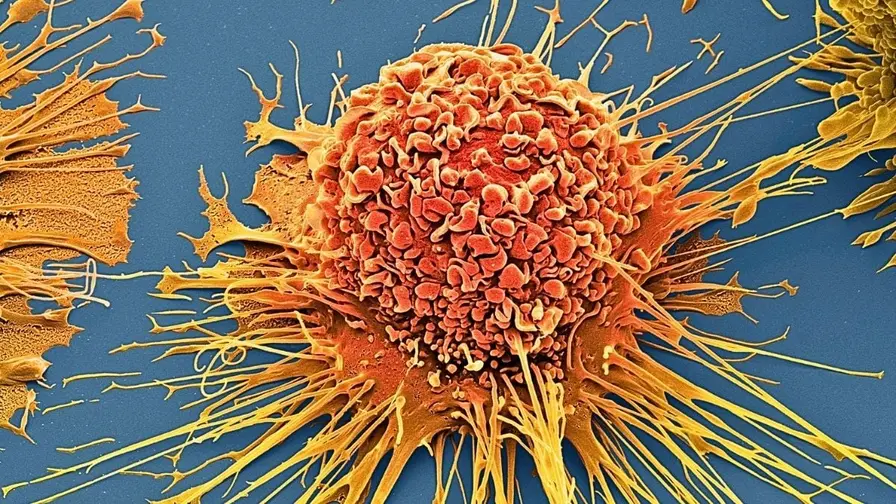
Read MoreOliver Hayes2026-07-072Light-Activated Molecular Jackhammers Destroy CancerResearchers are developing light-activated aminocyanine "molecular jackhammers" that vibrate to tear cancer cell membranes. Lab and animal studies show high efficacy; human trials remain a future step.
Read MoreOliver Hayes2026-07-072Curiosity and Longevity: The Sardinian Secret RevealedA Sardinian study links the personality trait openness—curiosity and willingness to try new things—with behaviors and coping skills associated with healthier aging and longevity.
Read MoreOliver Hayes2026-07-072Long Sitting Patterns Raise Cancer Risk, Tracker Data ShowsWearable-tracker data from nearly 90,000 UK adults link prolonged, uninterrupted sitting to higher cancer incidence and death. Breaking long sitting bouts with light or brief vigorous activity may lower risk.
Read MoreNora Schmidt2026-07-063How Low-Impact Exercise Preserves Aging Joints, NaturallyAs cartilage and joint-lubricating fluids decline with age, the right low-impact exercises—strength training, balance work, swimming, tai chi—can protect joints, reduce pain and preserve mobility.
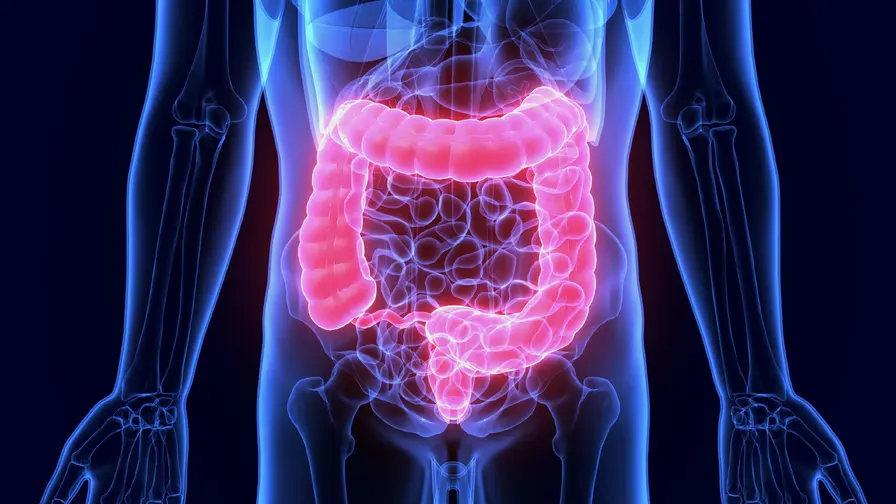
Read MoreOliver Hayes2026-07-053Colorectal Cancer Surges in Younger Adults, New Data ShowsNew American Cancer Society data show colorectal cancer is rising among adults under 65, driven by distal colon and rectal tumors. Screening at 45, prevention, and targeted research are urgent priorities.
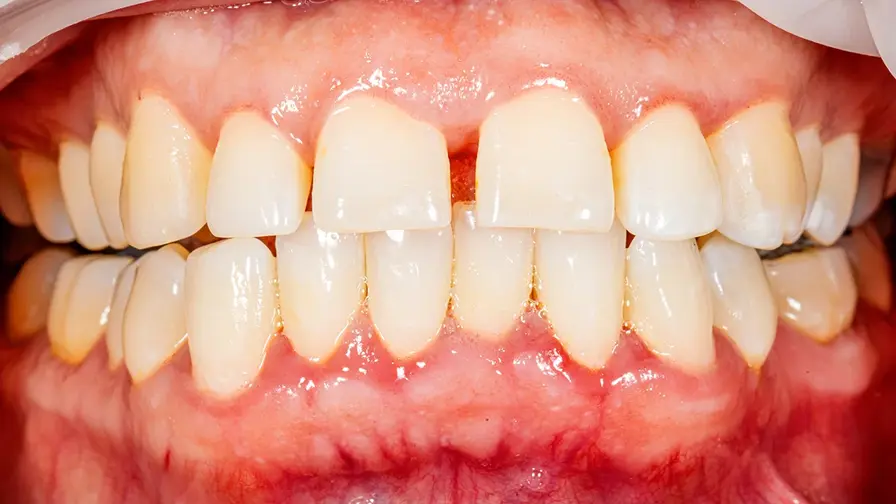
Read MoreNora Schmidt2026-07-042Short Fasting Diet Cuts Gum Inflammation in 6 MonthsA six-month pilot trial found that a fasting-mimicking diet lowered inflammatory markers in the mouth and blood of people with periodontitis, suggesting dietary approaches could complement dental treatment.
Read MoreOliver Hayes2026-07-043Why Old Muscle Stem Cells Choose Survival Over SpeedUCLA researchers found that elevated NDRG1 in aging muscle stem cells slows repair but increases cell survival. Blocking the protein restores youthful activation, yet risks depleting the stem cell pool.
Read MoreNora Schmidt2026-07-03Hidden Ingredients in Tattoo Ink: Why Regulation MattersA new study found hidden compounds in most tattoo inks, highlighting a patchwork of regulations worldwide. Learn why asking about ink ingredients, hygiene and medical history matters before you get inked.
Read MoreOliver Hayes2026-07-023Blood Test Reveals the Biological Age of Your OrgansA Stanford study shows a blood test can estimate biological ages for 11 organs, linking organ-specific aging to future disease risk and mortality. The approach may enable earlier, targeted prevention.
Read MoreNora Schmidt2026-07-022How Early Neighborhoods Leave Lasting Scars on HeartsA Northwestern Medicine analysis of CARDIA data links adverse neighborhood conditions in early adulthood to higher coronary artery calcification decades later, highlighting place-based drivers of heart disease and health disparities.
Read MoreOliver Hayes2026-07-012Ancient Brain Cells That Control Focus, Found in MiceJohns Hopkins researchers found an evolutionarily ancient cluster of GABAergic neurons in mice that controls selective spatial attention. Silencing these cells caused immediate distractibility, with potential relevance for ADHD research.
Read MoreOliver Hayes2026-06-30When Blood Appears in Stool: What It Could Mean TodayRecurring blood in stool is a key warning sign for colorectal cancer. Recent research shows rectal bleeding greatly increases cancer odds in symptomatic patients under 50. Learn which stool changes and symptoms warrant a colonoscopy and when to seek screening.
Read MoreNora Schmidt2026-06-302mRNA Vaccine Slashes Neuroblastoma Tumors by Seventy PercentRCSI researchers report a preclinical mRNA vaccine that cut neuroblastoma tumors by 70% and delayed growth. The peptide nanoparticle strategy targets GPC2 and offers a promising path for pediatric cancer immunotherapy.
Read MoreOliver Hayes2026-06-302Why Young Adults Are Showing Faster Biological AgingNew research in Nature Medicine links rising early-onset cancer rates to accelerated biological aging in younger cohorts, suggesting body-wide ageing markers may reshape prevention and screening strategies.
Read MoreOliver Hayes2026-06-292Why Screens in Infancy Are Harming Early DevelopmentNew UK research links screen exposure in infants under two to reduced bonding, delayed language, sleep disruption, and other developmental risks. Experts urge limits and systemic support for families.
Read MoreNora Schmidt2026-06-292Low Testosterone Linked to Higher Cancer Risk and MortalityA pooled analysis of 11 longitudinal studies links low testosterone in men to higher cancer incidence and mortality, with risk rising below specific hormonal thresholds; experts urge medical evaluation over self-treatment.
Read MoreOliver Hayes2026-06-292Why Pets Improve Mood But Don't Always Reduce StressA real-time study finds that interacting with cats and dogs boosts mood but does not reliably blunt stress in the moment. Species differences are subtle and owner traits likely shape outcomes.