Read MoreOliver Hayes2026-07-203How Lowering Oxygen Could Help Treat Mitochondrial DiseaseNew research from Gladstone Institutes shows that lowering oxygen levels can protect the brain when mitochondrial Complex I fails, identifying HTRA2 and CLPB as key players and demonstrating lifespan improvement in mouse models.
Read MoreOliver Hayes2026-07-193Why Summer Sun Often Fails to Restore People's Vitamin DNew research from Newcastle University shows that summer sunlight often fails to correct low vitamin D levels, especially in older adults and people with darker skin, highlighting the need for targeted supplementation and policy action.
Read MoreOliver Hayes2026-07-192Global Cancer Burden Could Rise 67% by 2050 Unless Prevention Scales UpNew global estimates forecast a 67% rise in annual cancer cases by 2050, driven by aging and growth. Prevention, vaccination, early detection, and equitable care could avert many deaths.
Read MoreOliver Hayes2026-07-183Dietary Yeast Compound Rewires Immunity After ObesityA study in mice shows that yeast beta-glucan, a dietary supplement, can reprogram bone marrow stem cells and restore innate anti-tumor immunity impaired by obesity, suggesting avenues for clinical testing.
Read MoreNora Schmidt2026-07-182Why Retired Footballers Face Higher Depression RatesA study of 142 former professional footballers finds higher rates of depression and anxiety compared with non-players, alongside MRI signs of reduced brain volume in some athletes, highlighting a need for long-term follow-up.
Read MoreOliver Hayes2026-07-172Why Brighter Days Lead to Deeper, Earlier Sleep TonightA real-world wearable study finds that brighter, more consistent daytime light correlates with earlier bedtimes, earlier wake times, and increased deep sleep early in the night. Practical implications for indoor lighting and daily routines.
Read MoreOliver Hayes2026-07-172How a Single Protein May Stall the Aging Brain's LeakResearchers implicate the endothelial protein KLF4 in blood-brain barrier breakdown and age-related cognitive decline, revealing a potential therapeutic target to protect vascular and brain health.
Read MoreNora Schmidt2026-07-162Wearable Patch Boosts REM Sleep Without Drugs or SurgeryA soft, wearable patch using gentle ultrasound and electrodes increased REM sleep in a human trial, shortening REM onset and extending REM duration. Early results hint at benefits for mood and stress resilience.
Read MoreOliver Hayes2026-07-153Childhood Sugary Drinks Linked to Adult High Blood PressureA long-term study of over 25,000 people links frequent childhood consumption of sugary drinks and fruit juice to higher adult blood pressure, while whole fruit shows no such link. Practical swaps and public health implications are discussed.
Read MoreOliver Hayes2026-07-152Gut-Targeted Fiber Ingredient Could Curb Slow Weight GainUK researchers developed inulin propionate ester, a gut-targeted fiber ingredient now authorized in the EU, intended to strengthen appetite signals and help prevent gradual weight gain when added to common foods.
Read MoreOliver Hayes2026-07-152Human Antibody Blocks Spread of Aggressive Prostate CancerA fully human antibody developed at Umeå University slowed tumors and blocked metastasis in preclinical models of aggressive prostate cancer, introducing a novel route for future targeted therapy.
Read MoreOliver Hayes2026-07-132Ovaries Age Long Before Menopause, Mouse Study ShowsA Nature Aging mouse study shows ovaries experience tissue disorganization, immune shifts and inflammation well before menopause, reframing reproductive aging as a loss of cellular coordination rather than only follicle depletion.
Read MoreOliver Hayes2026-07-132Fast Relief or Placebo? 10-Day Brain Stimulation WorksA JAMA Network Open trial finds 10 daily sessions of intermittent theta-burst stimulation produce rapid clinical improvement in depression, but sham treatments catch up by four weeks, raising questions about treatment duration and durability.
Read MoreOliver Hayes2026-07-133Two Hours of Strength Training May Add Years to LifeTwo weekly sessions of resistance exercise — about 90 to 120 minutes — are linked to lower mortality, strongest for heart and neurological causes. Pairing strength with aerobic activity yields the greatest benefit.
Read MoreNora Schmidt2026-07-122Mannose-coated Nanoparticles Bypass the Blood-Brain BarrierResearchers at Oregon State University engineered mannose-coated lipid nanoparticles to traverse the blood-brain barrier and deliver PTEN mRNA to glioblastoma cells in mice, boosting survival and reducing tumor size.
Read MoreNora Schmidt2026-07-122The Hidden Sixth Sense That Shapes Mental Health TodayInteroception, the brain's sensing of internal signals like heartbeat and hunger, influences mood and mental health. New studies link altered internal awareness to anxiety, anorexia, and mood stability.
Read MoreNora Schmidt2026-07-122Self-Healing Contact Lenses Repair Scratches with UVDankook University researchers developed hydrogel contact lenses that self-heal surface scratches under ordinary UV light using disulfide cross-linkers, restoring stability and reducing contamination risk.
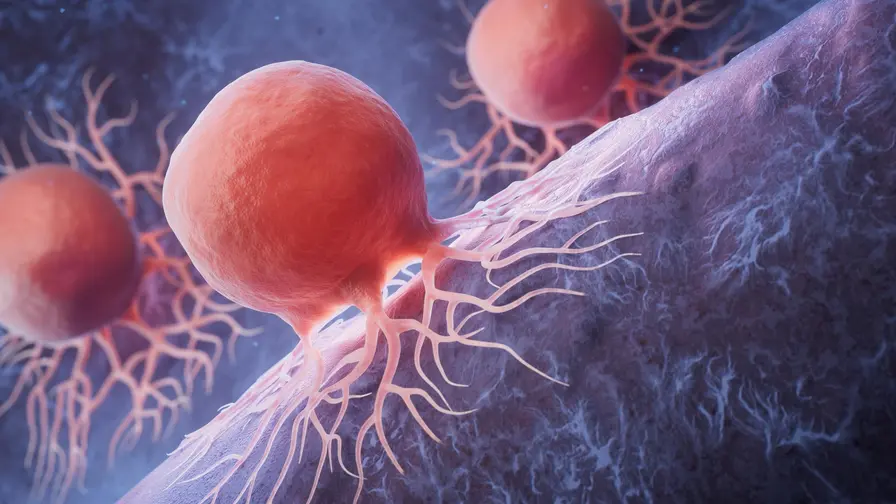
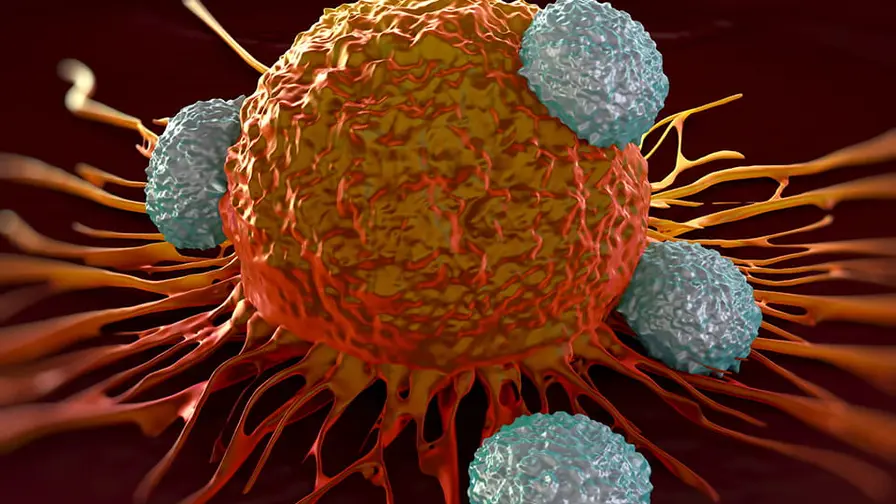
Read MoreOliver Hayes2026-07-113Engineered Progenitor Cells Offer Scalable Cancer TherapyUSC researchers developed a scalable platform using granulocyte-monocyte progenitors (GMPs) to produce engineered macrophages for cancer immunotherapy, offering off-the-shelf and durable treatment potential.
Read MoreOliver Hayes2026-07-112How Losing 90 Minutes of Sleep Can Add Pounds FastA Columbia University study finds that delaying bedtime by 90 minutes for six weeks led to measurable weight gain, more sedentary time, and hormonal shifts that increase appetite. Practical implications for sleep and metabolic health.
Read MoreOliver Hayes2026-07-103Could Creatine Help Depression? The Evidence So FarResearchers are exploring whether creatine, a common sports supplement, can help treat depression. Early randomized trials show mixed results. Larger, longer studies are needed to confirm efficacy and safety.















.webp "Engineered Progenitor Cells Offer Scalable Cancer Therapy")