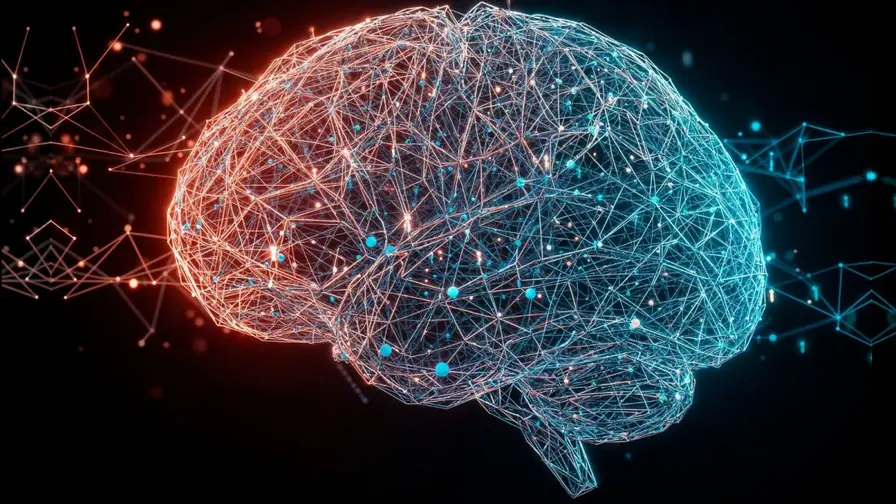
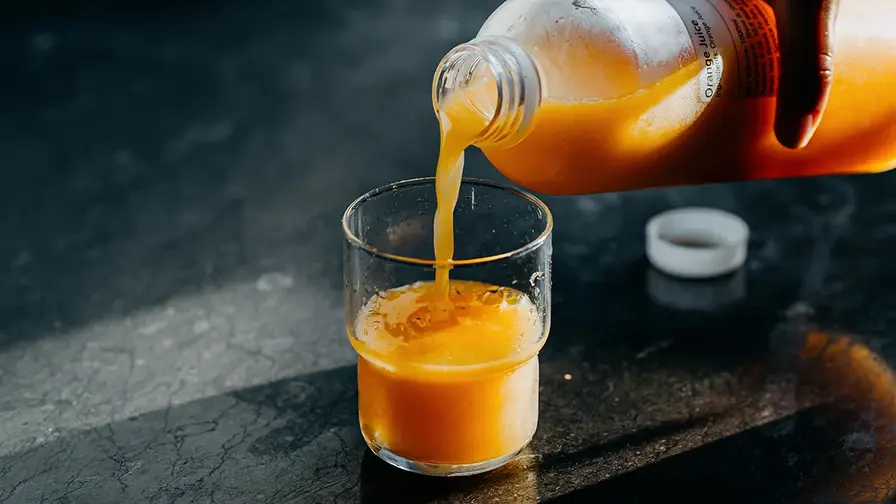
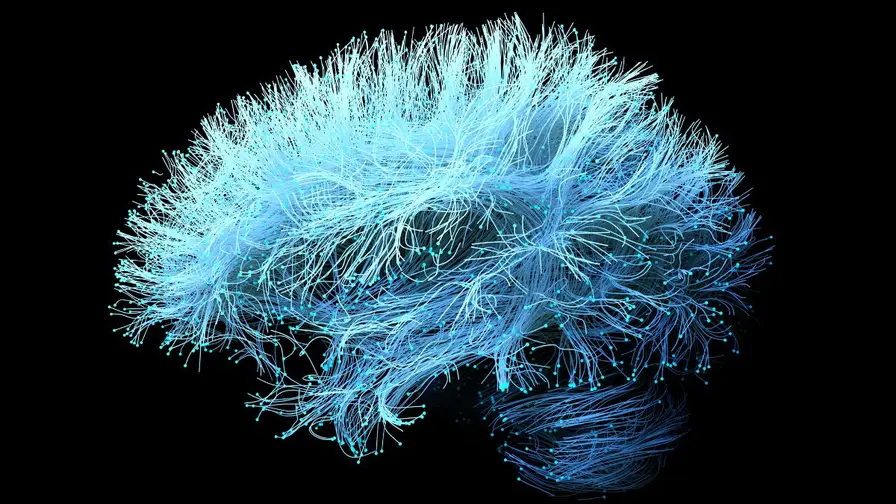
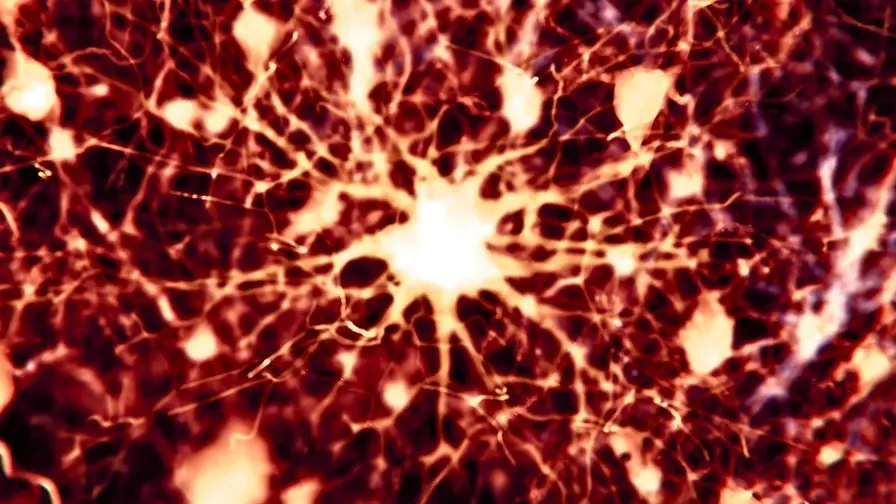
Read MoreOliver Hayes2026-06-202Could Vitamin C Help Preserve the Aging Human Brain?A large MRI and blood study of older adults found lower plasma vitamin C linked to reduced gray matter and weaker default mode network connectivity, suggesting diet may influence brain aging but stopping short of proving causation.
Read MoreOliver Hayes2026-06-202mRNA Flu Shot Nears U.S. Approval for Older AdultsU.S. advisers voted to recommend Moderna's mRNA flu vaccine, mFlusiva, for older adults, citing faster manufacturing and promising immune responses. The FDA will decide by early August.
Read MoreNora Schmidt2026-06-193Why Women's Brains Suffer Greater Dementia Risk NowA large UC San Diego analysis finds that several modifiable dementia risk factors—like hypertension, depression, and hearing loss—have a stronger negative effect on women's cognition, suggesting prevention should be sex-specific.
Read MoreNora Schmidt2026-06-192How Many Daily Steps Cancel Out the Harm of SittingAnalysis of 72,174 UK Biobank participants shows that increasing daily steps lowers cardiovascular and mortality risk. Benefits begin at 4,000 steps; 9,000 to 10,000 steps best offset high sedentary time.
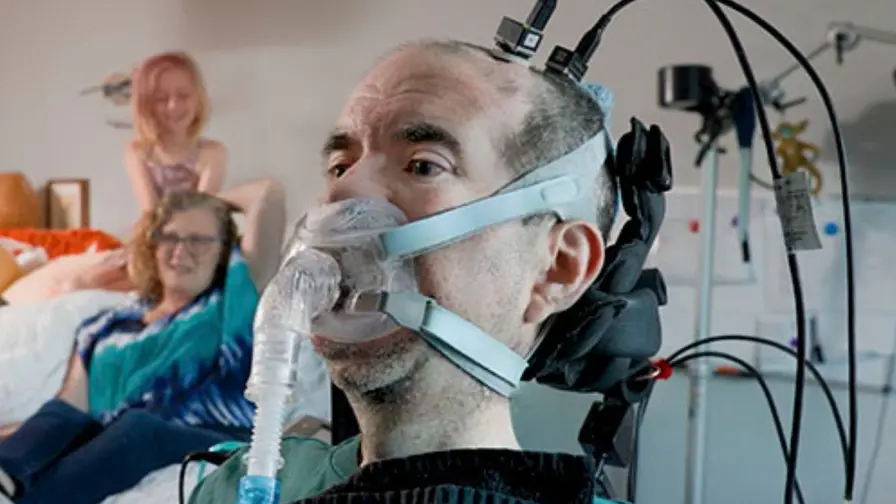
Read MoreOliver Hayes2026-06-183How a Brain Implant Restored a Man’s Voice and IndependenceAn experimental brain-computer interface enabled Casey Harrell, who has advanced ALS, to 'speak' again using a surgically implanted decoder and eye-gaze control, restoring communication and independence.
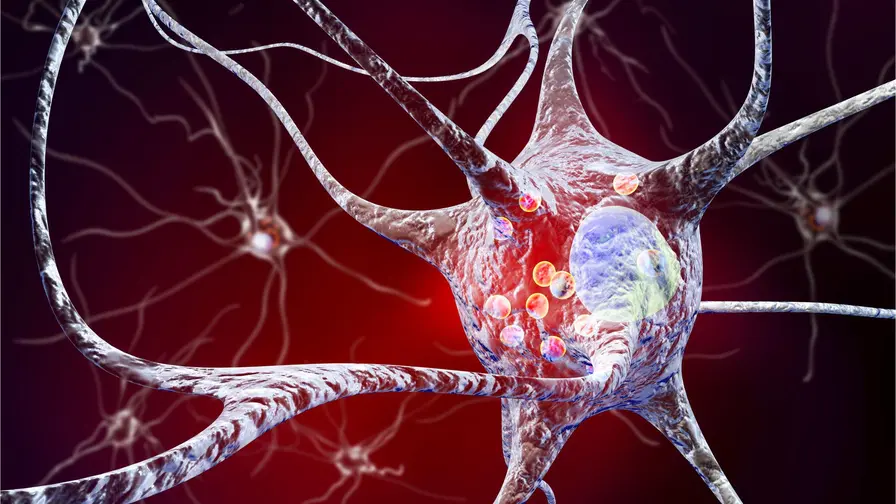
Read MoreOliver Hayes2026-06-182Peptide Shields Brain Cells: A New Angle on Parkinson'sBrazilian researchers report that Ac2-26, a peptide derived from Annexin A1, reduced neuroinflammation and helped preserve dopamine neurons in mice, suggesting a new preventive strategy for Parkinson’s disease.
Read MoreNora Schmidt2026-06-172How One Brain Chemical Helps Break Habits and AdaptNew mouse experiments show acetylcholine surges in the striatum when expected rewards fail, nudging animals to abandon old strategies. The finding links cholinergic signaling to behavioral flexibility and potential therapies.
Read MoreNora Schmidt2026-06-173Why Your Five-A-Day Might Miss the Heart-Protective PartsNew analysis of over 30,000 people shows many meet five-a-day targets but still lack protective flavanols. Choosing specific fruits, beans, and green tea may boost heart-protective compounds.
Read MoreNora Schmidt2026-06-162How Vitamin C Appears to Preserve the Aging Brain's NetworkNew research links higher blood vitamin C levels to greater gray matter volume and stronger connectivity in the brain's default mode network in older adults, suggesting diet may affect neural aging.
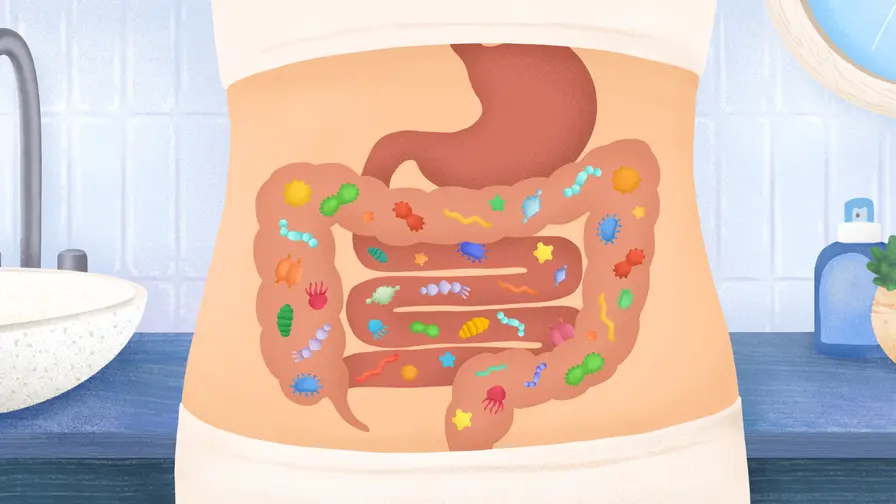
Read MoreNora Schmidt2026-06-152Why Cutting Out Sugar Completely May Harm Your GutA mouse study presented at ENDO 2026 finds that removing sucrose entirely from a low-fat diet disrupted the gut microbiome and prompted inflammation, insulin resistance, and signs of fatty liver despite no extra weight gain.
Read MoreOliver Hayes2026-06-142Poverty Shapes the Young Brain More Than IQ, Study FindsA large Washington University study of 12,000 children links family income and neighborhood conditions to measurable differences in brain function, suggesting environment can shape development more than IQ alone.
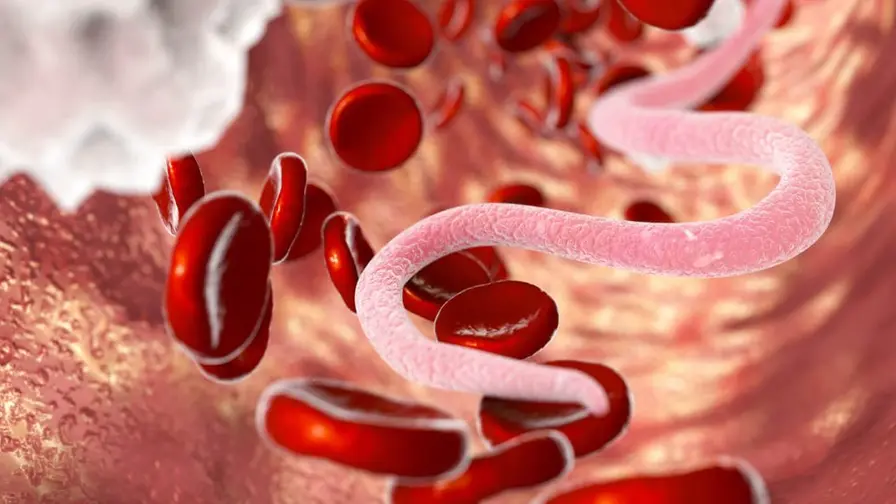
Read MoreOliver Hayes2026-06-142Hookworms Reengineered to Become Living Drug FactoriesScientists used CRISPR to engineer hookworms that produce an antibody against tetrodotoxin, demonstrating a living in vivo drug-production platform while highlighting major safety and efficacy challenges.
Read MoreOliver Hayes2026-06-143Common Joint Supplement Tied to Faster Alzheimer's DeclineA large study and follow-up experiments suggest glucosamine, a common joint supplement, may accelerate progression and increase mortality in people with Alzheimer’s or mild cognitive impairment. Researchers urge caution and further trials.
Read MoreOliver Hayes2026-06-132Faulty Enzyme Linked to Alzheimer's, New Drug Slows ItResearchers identify dysfunctional GRK2 as a driver of mitochondrial failure and amyloid accumulation in Alzheimer's. An experimental molecule, Compound 10, blocks GRK2 aggregation and slows disease in mice.
Read MoreNora Schmidt2026-06-122Saliva Holds a Measurable Fingerprint of Sleep LossScientists report a pattern of salivary metabolites that appears after 24 hours awake, suggesting a possible noninvasive test for acute sleep deprivation. Early results show promise but need larger, diverse validation.
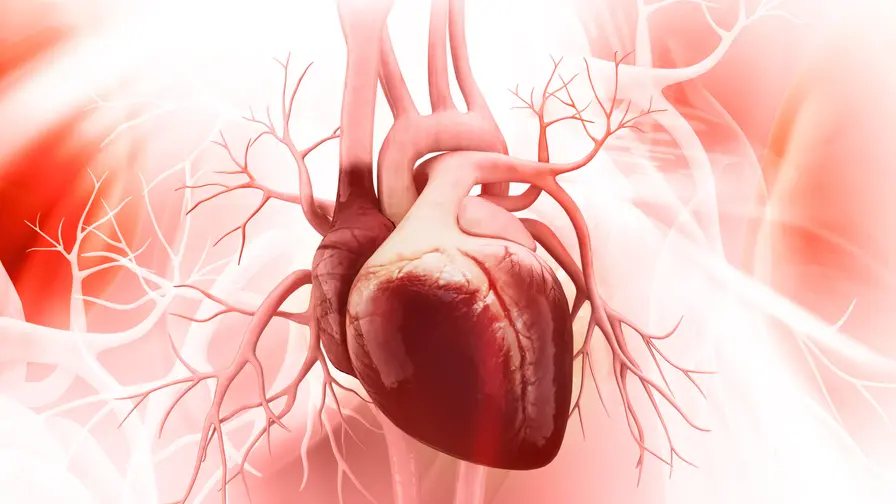
Read MoreOliver Hayes2026-06-112Nearly All Heart Attacks and Strokes Linked to Four RisksA large study of over 9 million adults links 99 percent of major heart attacks and strokes to four modifiable risks: hypertension, high cholesterol, high blood sugar, and tobacco use, with blood pressure the most common factor.
Read MoreNora Schmidt2026-06-113GRK2 and Compound 10: A Fresh Angle on Alzheimer'sETH Zurich researchers identify GRK2 as a driver of neuronal energy failure in Alzheimer’s and report that Compound 10 prevents GRK2 aggregation, improves mitochondrial function, and slows neurodegeneration in mice.
Read MoreOliver Hayes2026-06-103When Your Cat Roams: Hidden Risks to Health and WildlifeOutdoor-roaming cats can carry and transport nearly 100 zoonotic pathogens. New synthesis of 400+ studies shows roaming pets raise human and wildlife health risks—practical steps and One Health strategies to reduce transmission.
Read MoreNora Schmidt2026-06-102Two Cancer Drugs Reversed Alzheimer’s Signs in MiceResearchers found that two FDA-approved cancer drugs, letrozole and irinotecan, reduced tau aggregates and improved memory in mouse models of Alzheimer’s, suggesting a promising drug-repurposing strategy tied to gene-expression signatures.
Read MoreNora Schmidt2026-06-092When Clean Eating Becomes Harmful: The Hidden RisksClean eating can help health, but for some it turns into obsessive rules that damage body and mind. Learn the signs of orthorexia, how disordered eating differs from diagnosed disorders, and ways to help.