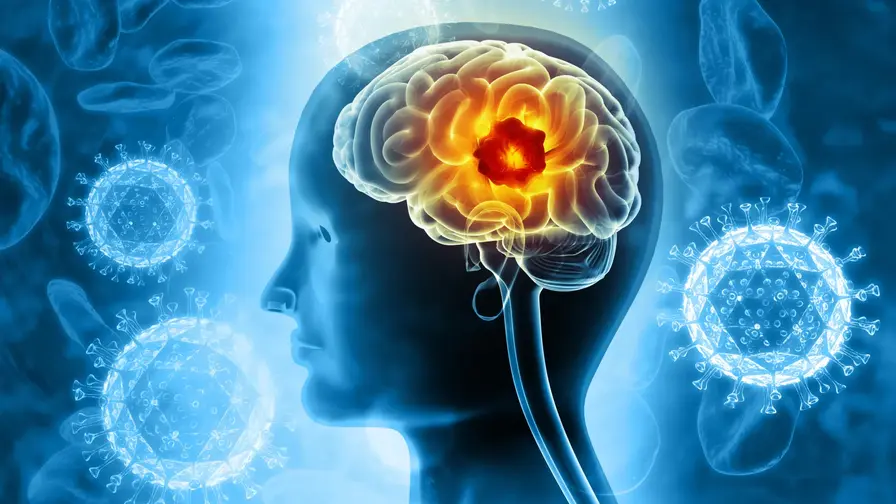
Read MoreNora Schmidt2026-07-312Ultrasound and MicroRNAs Break Into Brain Tumors NowResearchers at the University of Virginia combine focused ultrasound, microbubbles, and nanoparticles to deliver microRNAs across the blood brain barrier. Early animal tests show slowed glioblastoma growth and improved survival, pointing to a new delivery platform for brain cancer therapies.
Read MoreOliver Hayes2026-07-302Midlife Vitamin D Could Protect Drivers' Brains LaterNew analysis of the Framingham Heart Study links higher midlife vitamin D to lower later-life tau protein deposits, hinting at a midlife window to protect cognitive health—relevant to drivers, fleet managers, and road safety.
Read MoreNora Schmidt2026-07-302Slow Exhales Can Make You Take Bigger Financial RisksA Berlin study finds that a slow, prolonged exhale can increase willingness to accept risky gambles by amplifying how the brain values rewards. Small sample, lab setting, but the result reframes slow-breathing as a tool that can tilt decisions.
Read MoreNora Schmidt2026-07-302Early Screen Habits and How They Shape Later LearningA longitudinal study links greater screen viewing in infancy and around school entry to slightly lower academic performance and weaker working memory. Timing and total exposure may influence cognitive development.
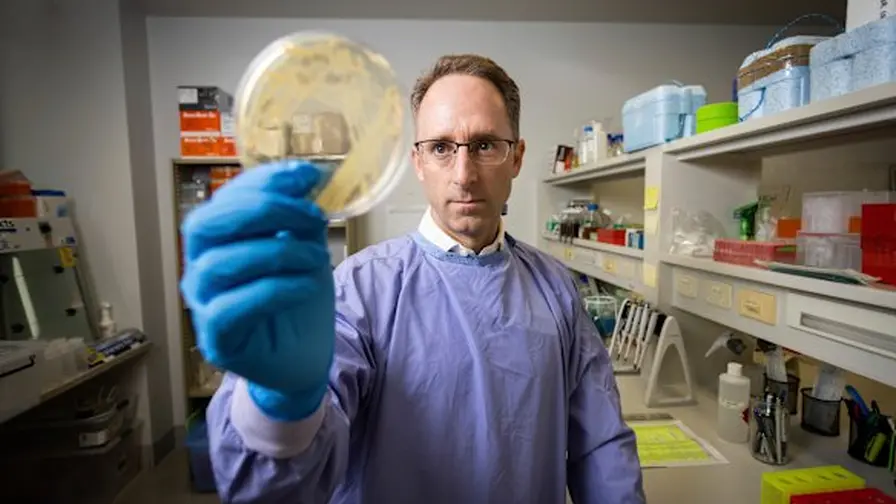
Read MoreNora Schmidt2026-07-292How a Small Molecule Gave Vancomycin New Life in ClinicsResearchers used a small molecule from a chemistry-derived library to block a bacterial enzyme and restore vancomycin’s activity against resistant Enterococcus faecium, highlighting a promising adjuvant strategy.
Read MoreNora Schmidt2026-07-28Short-Form Video Is Rewiring Young Minds, Research WarnsA Griffith University review of 70 studies finds short-form video platforms harm adolescents' mood, sleep, and executive functions. Practical steps for families and calls for algorithm reform are outlined.
Read MoreNora Schmidt2026-07-272Modest Sleep Loss Can Quietly Drive Weight Gain, Study FindsA Columbia University study finds that cutting about 80 minutes of sleep per night over six weeks led to small but meaningful weight gain and more sedentary time, with implications for metabolic health.
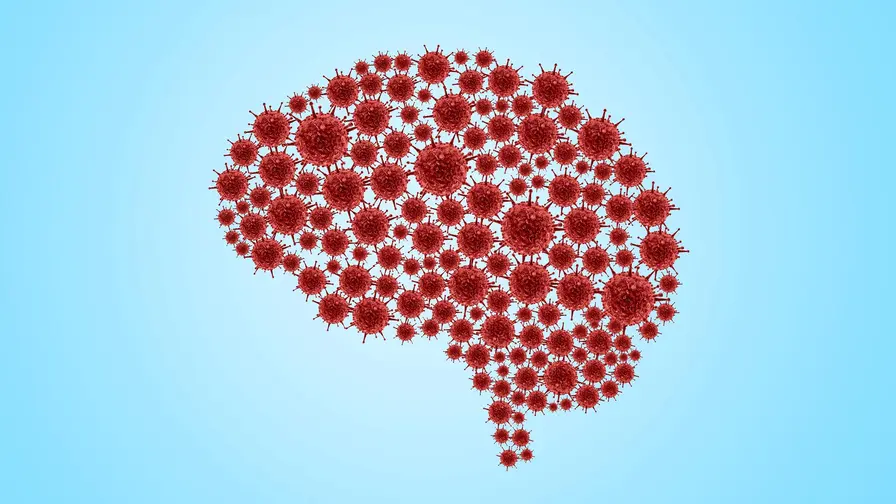
Read MoreOliver Hayes2026-07-262Brain Scans Link Long COVID to Dopamine Neuron LossPET scans reveal reductions in dopamine neuron markers across the striatum in people with long COVID, linking inflammation to symptoms like fatigue, slowed thinking and loss of motivation and guiding new treatment trials.
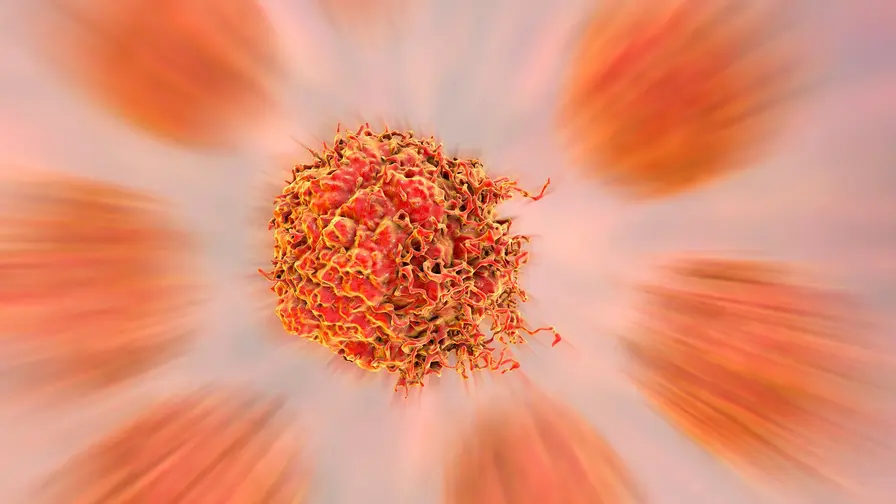
Read MoreOliver Hayes2026-07-252CRISPR Rewrites mRNA to Expose Prostate Tumors and Improve ImmunotherapyResearchers used an RNA-targeting CRISPR tool to prevent SPSB1 mRNA shortening, restore MHC-I presentation, and convert immune-cold prostate tumors into immune-hot ones, improving checkpoint therapy responses in mice.
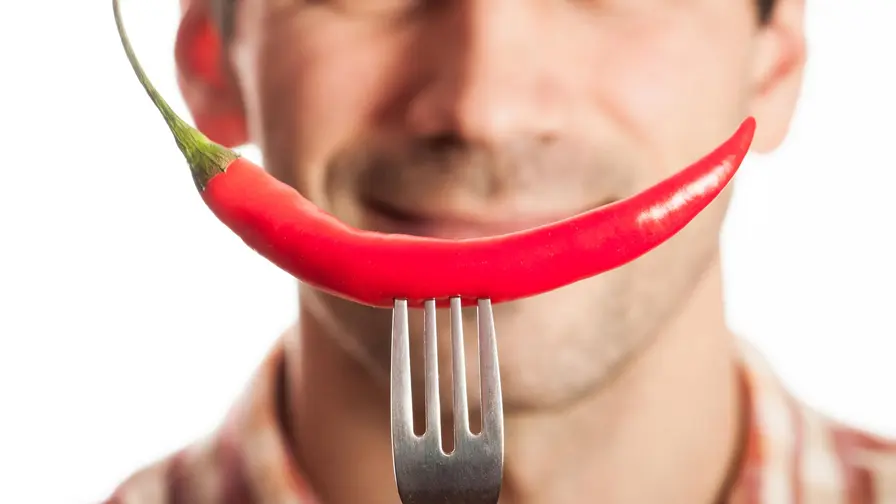
Read MoreOliver Hayes2026-07-253Why Drinking Water Can Make You Eat More, and Spice HelpsNew laboratory analyses show drinking water during a meal can increase food intake, while adding spice to a snack slows eating and reduces consumption. Findings highlight sensory and behavioral drivers of appetite.
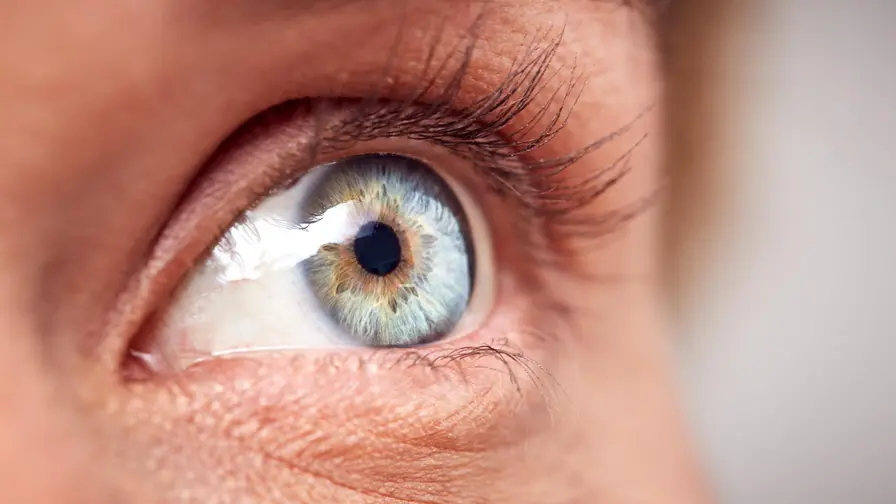
Read MoreOliver Hayes2026-07-243Scientists Discover Hidden Lymphatic Cleanup in the EyeResearchers have identified the POLO pathway, a previously unknown lymphatic drainage route in the back of the eye that may clear fluid and waste, reshaping our understanding of glaucoma and macular degeneration.
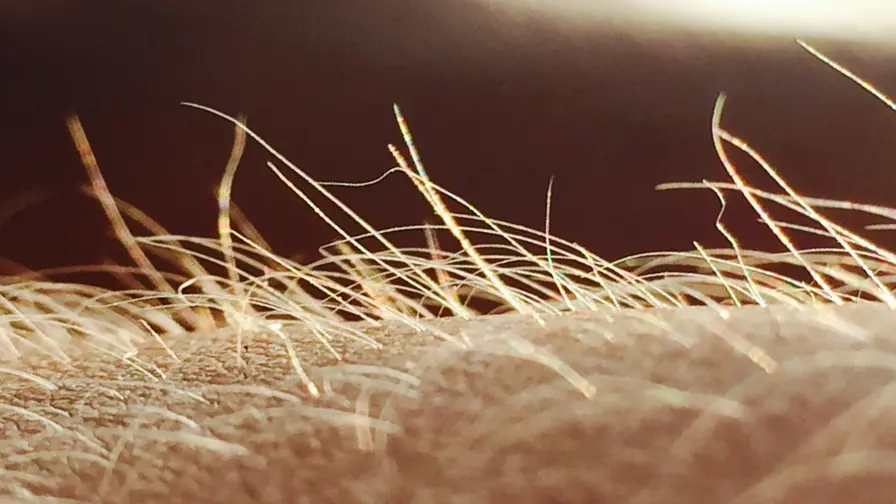
Read MoreNora Schmidt2026-07-242The Hidden Organ Behind Why We Crave Scratching NowNew mouse research identifies vellus-like hairs and linked sensory neurons as a dedicated pathway for hair-triggered itch, highlighting Piezo2 and TLR5+ neurons as potential targets for chronic itch therapies.
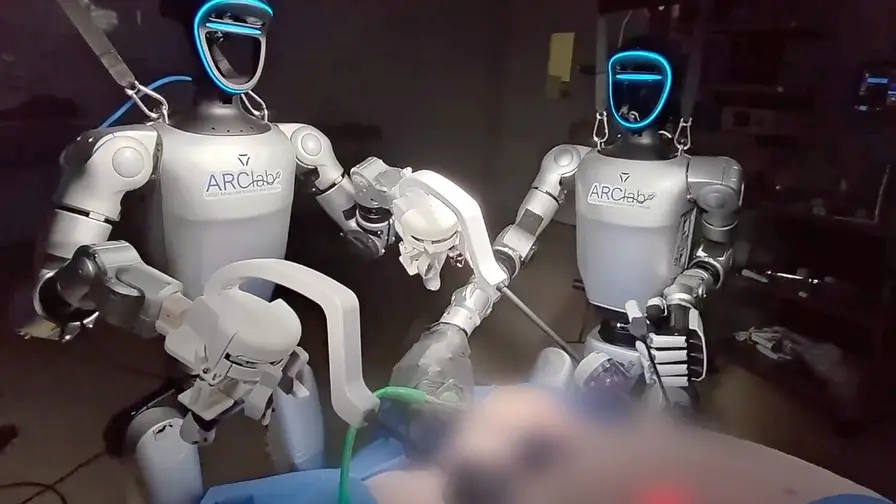
Read MoreNora Schmidt2026-07-232Humanoid Robots Perform First Live Surgical TrialsUCSD researchers teleoperated humanoid robots to perform laparoscopic gallbladder removal in pigs, demonstrating feasibility for portable, precision surgery and potential applications from remote clinics to space.
Read MoreNora Schmidt2026-07-232Electrical Brain Stimulation Restores Touch in ParalysisA long-term study shows intracortical microstimulation can recreate hand sensations for people with spinal cord injuries. Signals stayed localized and safe across 27 combined years of implants, while electrode durability remains the key challenge.
Read MoreOliver Hayes2026-07-233Microplastics Detected in Coronary Blood of STEMI PatientsA study found micro- and nanoplastic particles in coronary blood, most frequently in patients with severe heart attacks. Smoking and long-term PM2.5 exposure were strongly linked to higher detection rates, raising concerns about plastic pollution as a cardiovascular risk factor.
Read MoreOliver Hayes2026-07-222A Hidden Protein-Folding Fault That Drives DiabetesResearchers reveal that BiP and its partner p58IPK must cooperate to fold proinsulin correctly. Misfolding strains beta cells and may drive diabetes; reinforcing this machinery could protect insulin production.
Read MoreNora Schmidt2026-07-212Where You Live Shapes Dementia Risk, Global Study ShowsA global analysis of more than 214,000 older adults across 14 regions finds that the top modifiable dementia risks vary widely by country, yet common risk clusters suggest tailored, integrated prevention strategies.
Read MoreNora Schmidt2026-07-212New Review Finds No Link Between Phones and Brain CancerA comprehensive summary finds no credible evidence that mobile phone radiofrequency exposure causes brain, head, or neck cancers. This article explains the science, study methods, and what remains to be studied.
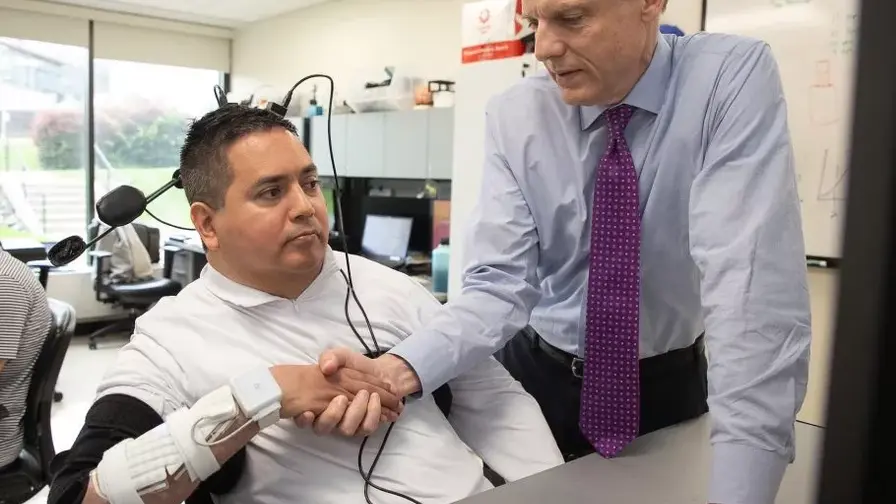
Read MoreOliver Hayes2026-07-212Brain Implant Restores Touch and Movement in Paralyzed ManA Feinstein Institute clinical trial using a double neural bypass restored hand movement and touch to a man paralyzed after a neck injury, combining cortical implants, fingertip sensors and AI-driven decoding.
Read MoreOliver Hayes2026-07-203Arc Protein Linked to Tau Transmission in Alzheimer’sResearchers link the neuronal protein Arc to the extracellular transfer of toxic Tau, revealing a potential avenue to slow Alzheimer’s progression by blocking Tau-containing vesicle uptake into healthy neurons.




.webp "Electrical Brain Stimulation Restores Touch in Paralysis")