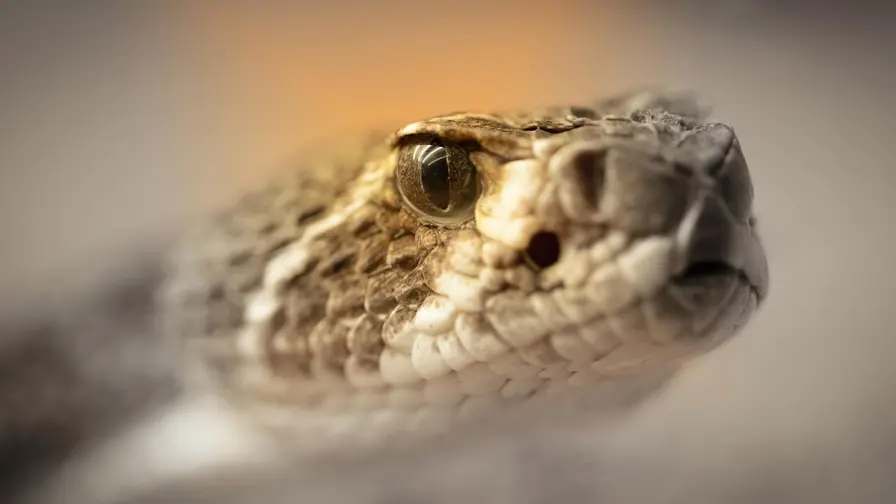
Read MoreOliver Hayes2026-08-082Nature’s Blueprint: Snake Proteins Could Transform AntivenomScientists used proteins from rattlesnake blood to create recombinant antivenom cocktails that are about ten times more potent than a current sheep-based treatment, promising safer, broader, and scalable therapies.
Read MoreElias Moreau2026-08-0893% Drop in Institutional Flows into XRP Explained NowSpot Ripple (XRP) funds saw a 93% drop in inflows, yet on-chain data shows whales accumulating. Institutional outflows contrasted with large-holder buying and exchange withdrawals on Aug 6.
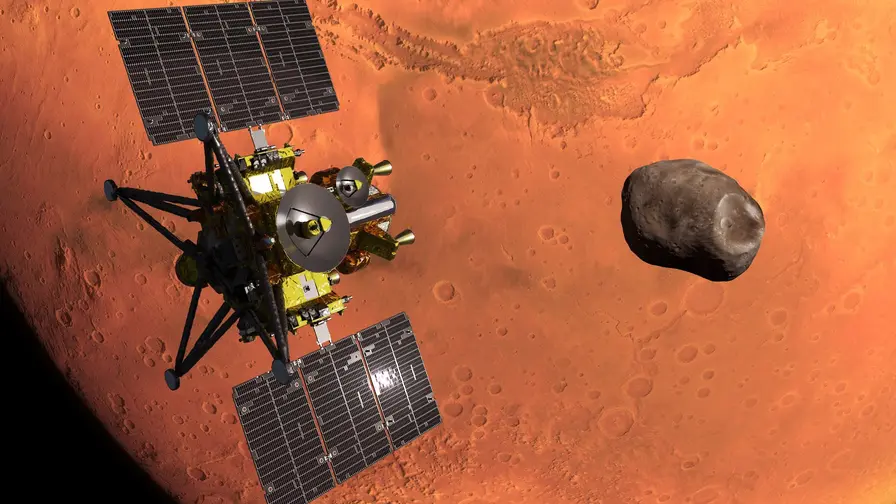
Read MoreNora Schmidt2026-08-073Phobos' Hidden Interior Could Reveal Mars' Ancient CrashPhobos’ interior could determine whether Mars’ inner moon formed from a giant impact or was a captured asteroid. MMX’s gravity mapping and sample return aim to resolve the question by probing beneath Stickney crater.
Read MoreOliver Hayes2026-08-07Early Social Media Exposure Reduces School PerformanceA Milano-Bicocca study of over 5,000 Italian students finds that early social media use correlates with lower math and native-language scores, while English may benefit from incidental exposure to platform content.
Read MoreNora Schmidt2026-08-07Black Holes Are Inefficient Eaters, New Study ShowsVLT observations of Swift J1727.8-1613 reveal black holes expel large amounts of inflowing matter via jets and winds, even at low luminosity, suggesting inefficient accretion and wider implications for binary evolution and feedback.
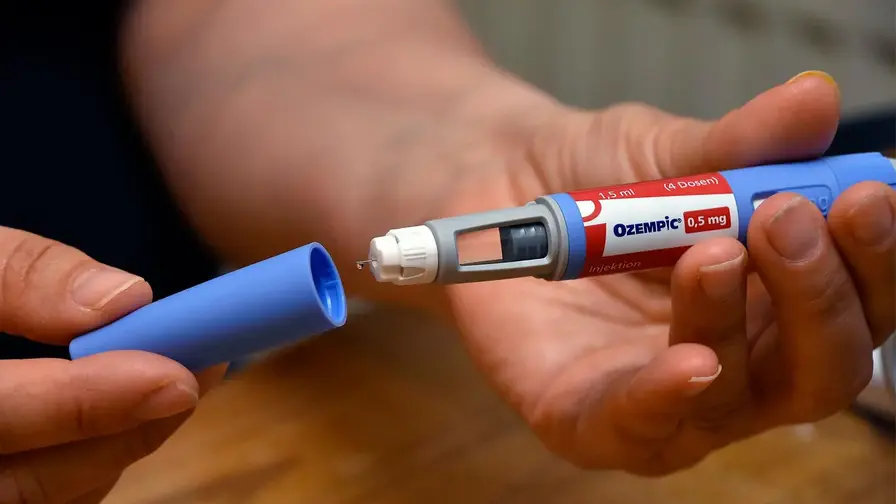
Read MoreNora Schmidt2026-08-06Do Ozempic Drugs Change Your Life? New Study Says NoA University of Chicago-led analysis finds that GLP-1 drugs such as Ozempic deliver clear clinical benefits for diabetes, but produce little measurable change in employment, marriage, or standard mental health metrics over one to two years.
Read MoreNora Schmidt2026-08-06Why Coastal Towns Are Quietly Losing Their Health EdgeLong-term British cohort studies reveal that coastal residence alone does not protect health; economic deprivation and migration patterns concentrate chronic illness in many seaside communities, calling for targeted policy responses.
Read MoreOliver Hayes2026-08-06How Midlife Vascular Health Can Add Years Free of DementiaA 26-year study finds normal blood pressure, no diabetes and not smoking in midlife are linked to nearly 13 extra dementia-free years. The research highlights vascular health as a key lever for delaying cognitive decline.
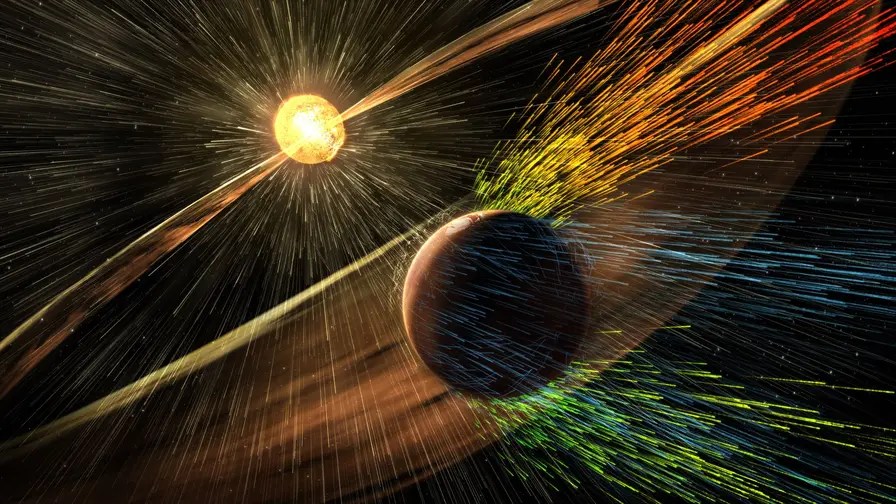
Read MoreNora Schmidt2026-08-05How Solar-Wind Waves May Be Quietly Stripping Mars’ AirMAVEN observations link solar-wind-driven Kelvin-Helmholtz waves at Mars’ upper atmosphere to ion loss. ESCAPADE and further simulations will help determine how much these waves contributed to Mars’ long-term atmospheric escape.
Read MoreNora Schmidt2026-08-05Blood Test Predicts Alzheimer's Risk Years Ahead in AdultsAn international study shows high blood levels of p-tau217 can predict a substantially increased risk of cognitive impairment within five to ten years, offering a noninvasive tool for early Alzheimer’s risk assessment.
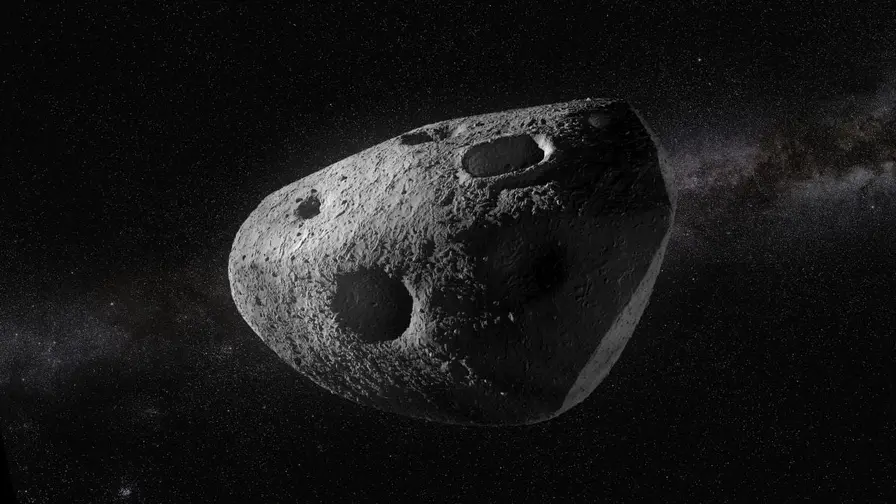
Read MoreOliver Hayes2026-08-05How Apophis' 2029 Flyby Could Be Complicated by DebrisApophis will skim past Earth in April 2029. New modeling shows a small but meaningful chance that unseen high-altitude debris could strike the asteroid, complicating planned observations by ESA and NASA missions.
Read MoreNora Schmidt2026-08-05How Euclid Found Quasars That Shone a Trillion SunsESA’s Euclid telescope has identified 31 ancient quasars, including two that shone with the power of a trillion Suns just 670 million years after the Big Bang, reshaping our understanding of early black hole and galaxy growth.
Read MoreNora Schmidt2026-08-04How Two Opposite Drugs Both Cause Weight Loss in MiceResearchers traced why both activating and blocking the same appetite receptor can cause weight loss in mice: distinct effects arise from receptor activity in the brainstem versus the hypothalamus, guiding future drug combos.
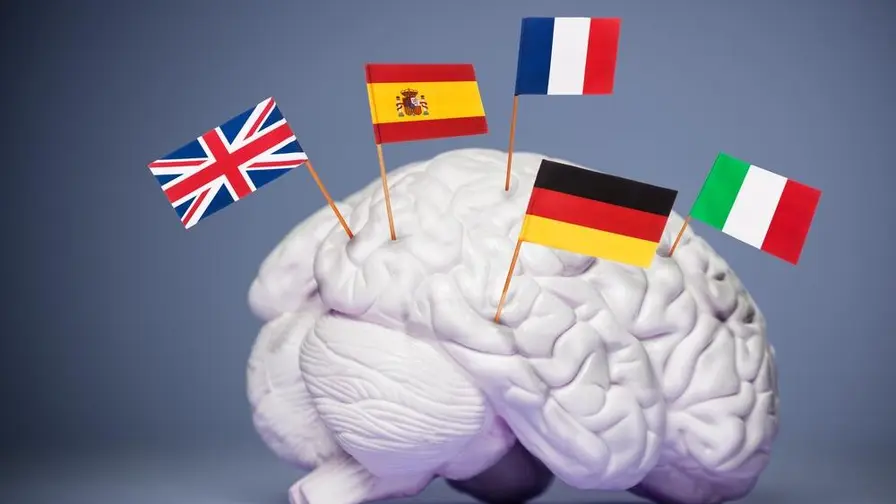
Read MoreOliver Hayes2026-08-04How Speaking Multiple Languages Keeps Brains YoungerNew research presented at FENS 2026 links multilingual experience to brain connectivity patterns that appear younger. Greater proficiency and earlier acquisition strengthen the association, though causality is not yet established.
Read MoreNora Schmidt2026-08-04Midlife Flip: How the Human Hippocampus Remodels ItselfSingle-cell mapping reveals that between ages 50 and 75 the human hippocampus undergoes coordinated immune, vascular, and genome-architecture changes, suggesting brain aging is active remodeling rather than simple decline.
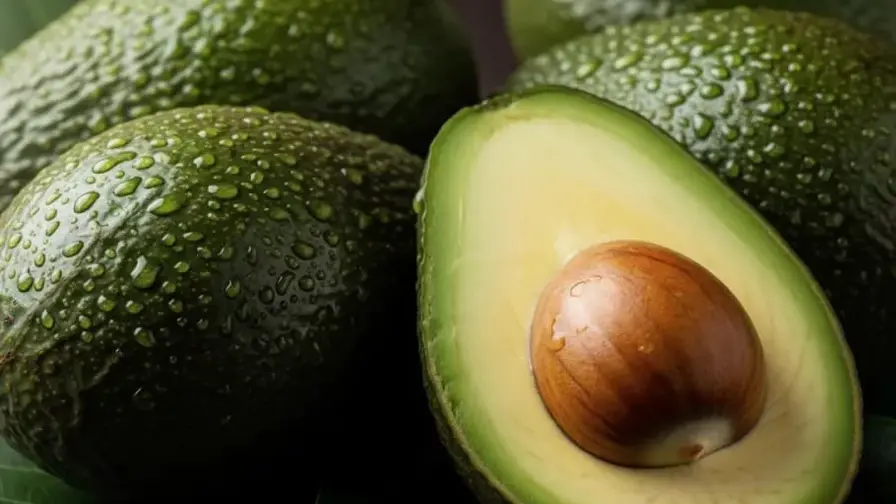
Read MoreOliver Hayes2026-08-04Eating One Avocado a Day May Cut Heart Disease RiskA Penn State led trial found that eating one avocado daily lowered LDL particle concentration in adults with obesity, equivalent to an estimated 4 percent reduction in heart disease risk.
Read MoreOliver Hayes2026-08-03Hidden Heat: How Marine Heatwaves Mask Long WarmingNew analysis shows marine heatwaves often sit within longer warming episodes. Researchers from William & Mary propose a cumulative-heat metric that reveals far more thermal exposure and raises ecological risk estimates.
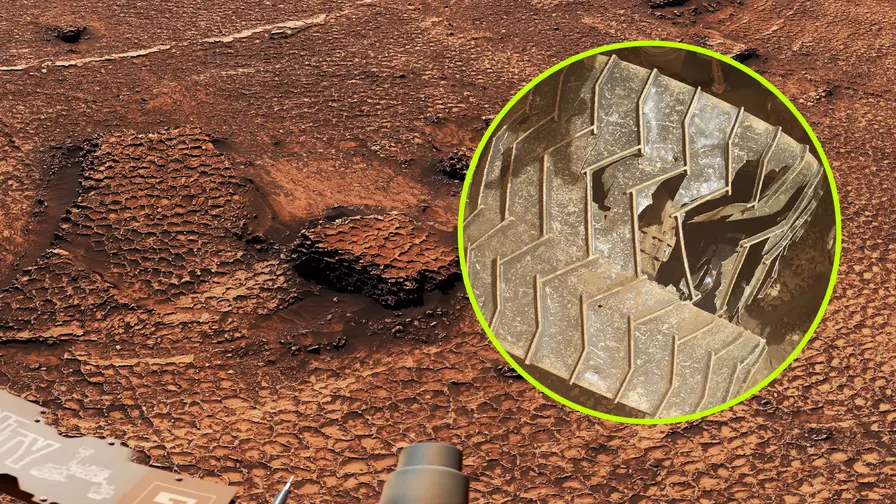
Read MoreOliver Hayes2026-08-03Curiosity Finds a Vast Honeycomb of Martian PolygonsCuriosity photographed a wide field of honeycomb-like polygons in Valle Grande, Mars. Scientists are analyzing shapes and chemistry to learn whether drying mud, freeze-thaw cycles, or compression shaped this landscape.
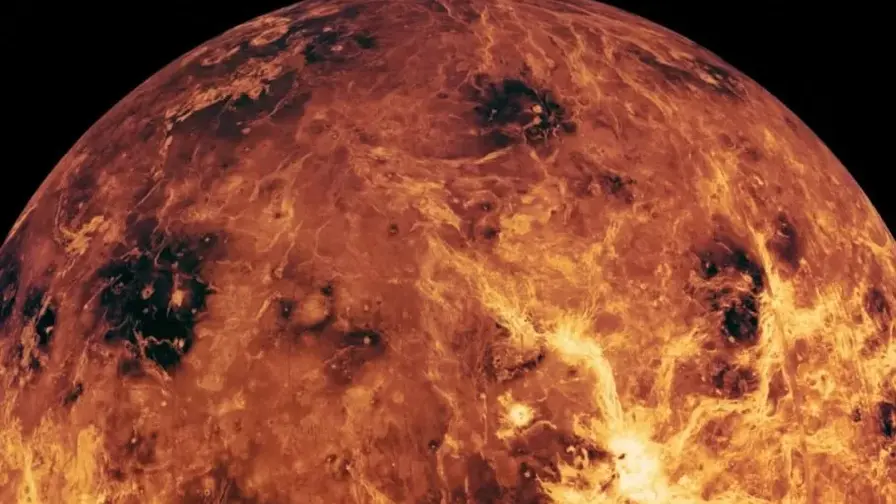
Read MoreNora Schmidt2026-08-03Ancient Oceans Covered Ninety Percent of Venus's SurfaceReanalysis of Magellan radar data suggests Venus may once have been covered by oceans across roughly 90% of its surface. New geological interpretations point to marine sediments, giant submarine channels, and evaporite layers.
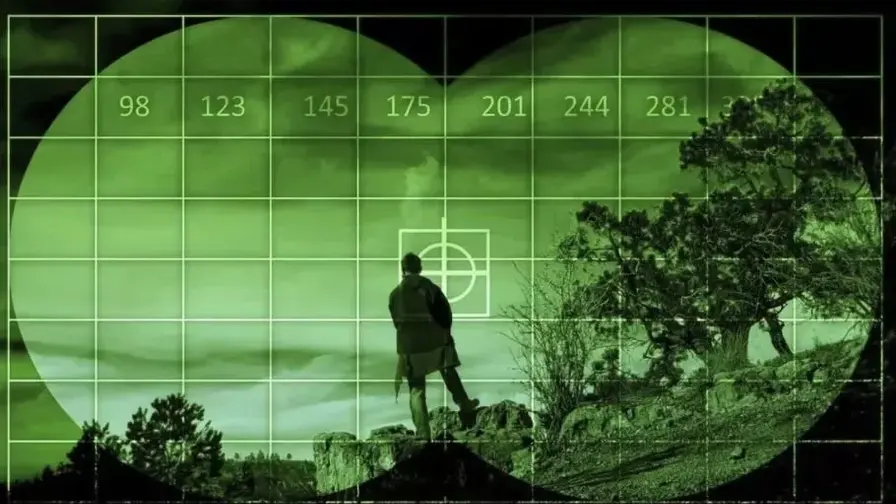
Read MoreOliver Hayes2026-08-03How Quantum Dots and OLEDs Give Night Vision Real ColorScientists built a lightweight prototype using mercury telluride quantum dots and a two-layer OLED to convert infrared into full-color images. The semi-transparent glasses reveal simultaneous normal and IR-enhanced vision, with implications for prosthetics and sensing.