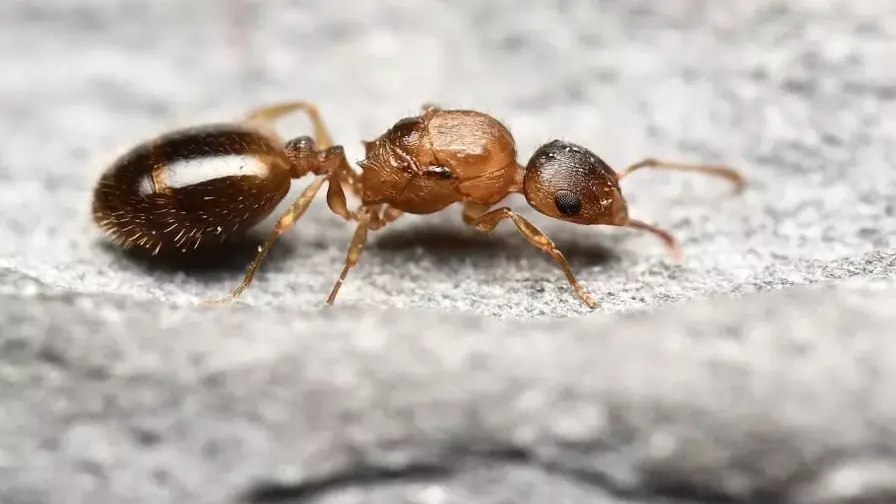
Read MoreOliver Hayes2026-07-282How a Tapeworm Turns Worker Ants into Queens OvernightA tapeworm, Anomotaenia brevis, infects Temnothorax nylanderi ants, altering gene expression to extend lifespan and trigger queenlike care by workers, enabling transmission via woodpeckers.
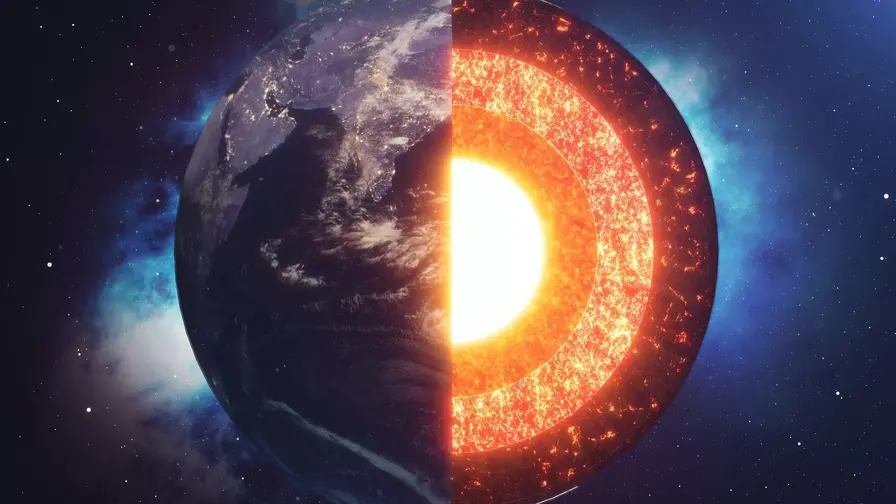
Read MoreOliver Hayes2026-07-283Earth’s Core Could Be Up to 1000°C Cooler Than ThoughtNew high-pressure experiments suggest iron in Earth’s core melts at temperatures up to 1,000°C lower than prior estimates, which could explain how the planet’s magnetic field stayed active for billions of years.
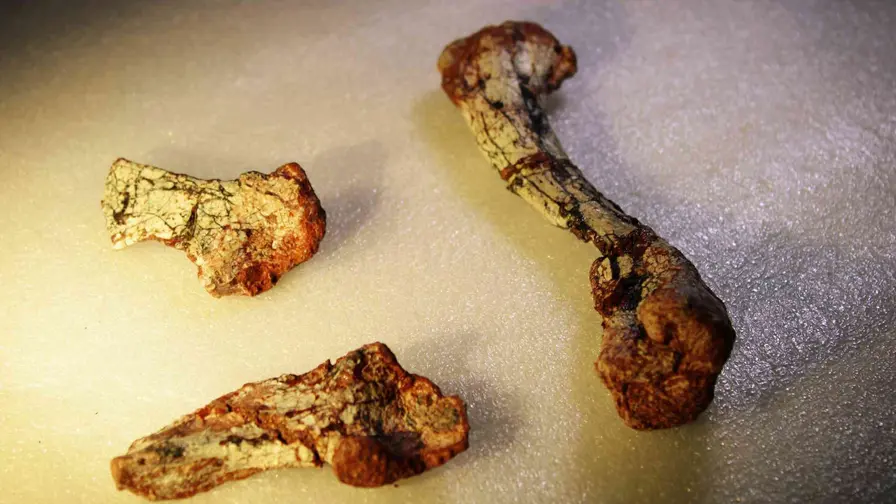
Read MoreOliver Hayes2026-07-273A Lost Fossil Reveals a New Triassic Reptile SpeciesFragmentary limb bones found in Brazil identify Silescelida acristata, a new Middle Triassic reptile that sheds light on early archosauriform evolution and biogeography after the Permian extinction.
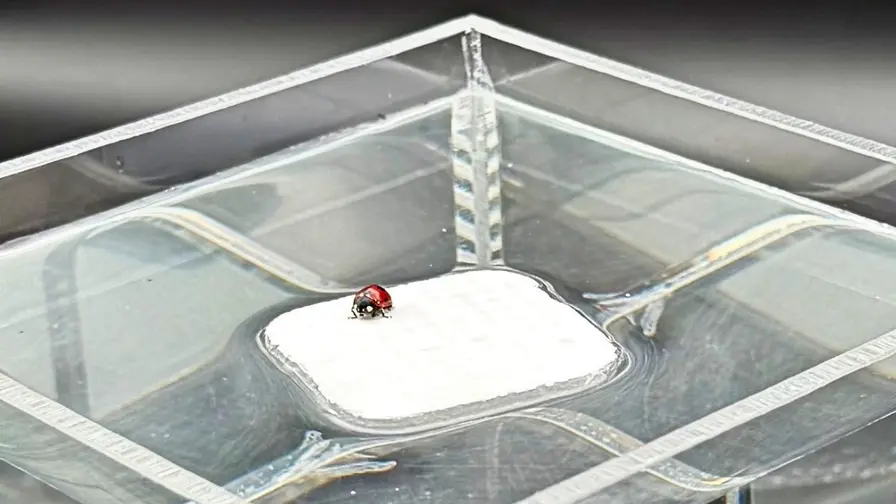
Read MoreOliver Hayes2026-07-273Lung-Inspired Hydrogel From MIT Lets Wearables BreatheMIT researchers developed a lung-inspired, air-permeable hydrogel that lets oxygen and water vapor pass while keeping 70 percent water, improving wearable comfort and long-term ECG monitoring.
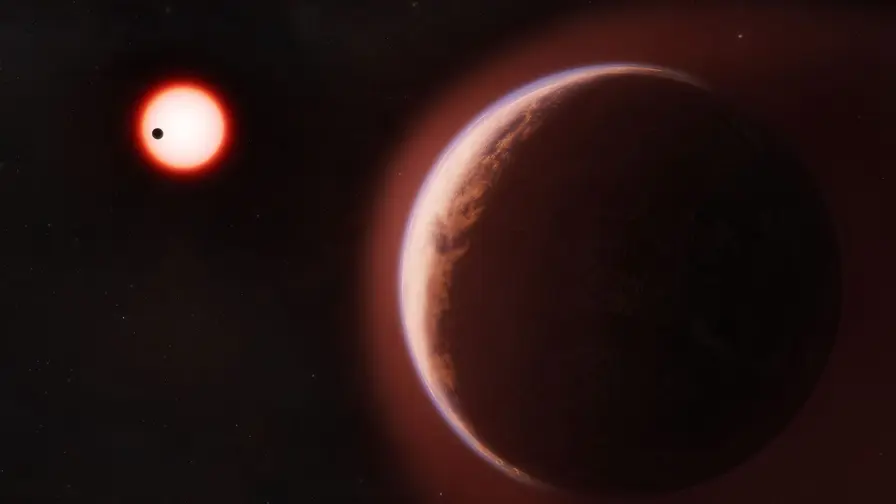
Read MoreOliver Hayes2026-07-273Helium Leak Reveals Atmosphere on LHS 1140 b ExoplanetA near-infrared detection of escaping helium around LHS 1140 b provides the strongest evidence yet that a rocky, habitable-zone exoplanet has retained an atmosphere, opening new avenues for ground-based follow-up.
Read MoreNora Schmidt2026-07-272Modest Sleep Loss Can Quietly Drive Weight Gain, Study FindsA Columbia University study finds that cutting about 80 minutes of sleep per night over six weeks led to small but meaningful weight gain and more sedentary time, with implications for metabolic health.
Read MoreOliver Hayes2026-07-262Brain Scans Link Long COVID to Dopamine Neuron LossPET scans reveal reductions in dopamine neuron markers across the striatum in people with long COVID, linking inflammation to symptoms like fatigue, slowed thinking and loss of motivation and guiding new treatment trials.
Read MoreNora Schmidt2026-07-262Why Narcissists Are More Prone to Chatbot DependencyA Duzce University study finds narcissistic traits strongly predict obsessive reliance on chatbots, raising questions about AI design, mental health risks, and the need for longitudinal research.
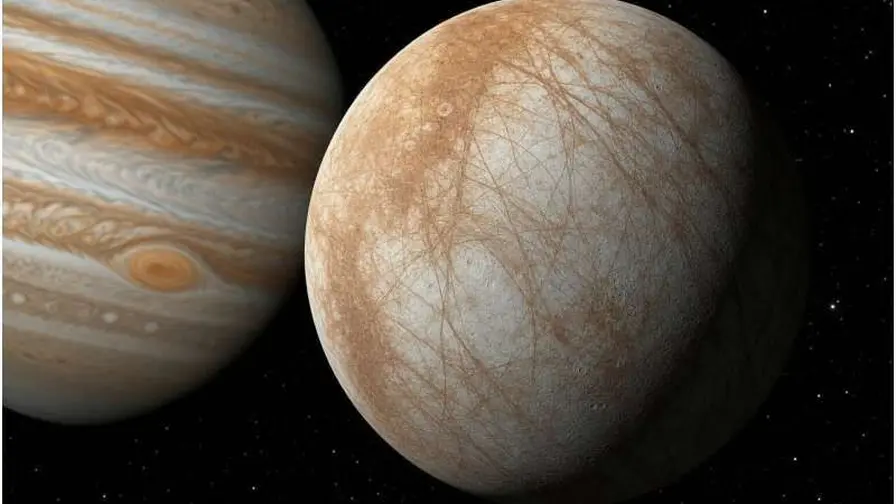
Read MoreOliver Hayes2026-07-263A Moon as Big as Jupiter? A Brown Dwarf's Giant CompanionAstronomers using VLT and CRIRES+ report a near-Jupiter-mass companion orbiting brown dwarf CD-35 2722 B. The finding blurs the line between exomoon and exoplanet and prompts new questions about formation and classification.
Read MoreOliver Hayes2026-07-25Could Galactic Passages Leave a Trace in Earth's Rocks?Researchers suggest comparing Earth's mineral timeline with Moon and Mars records to test whether the Solar System's passages through changing Galactic environments left detectable geological signatures on planetary surfaces.
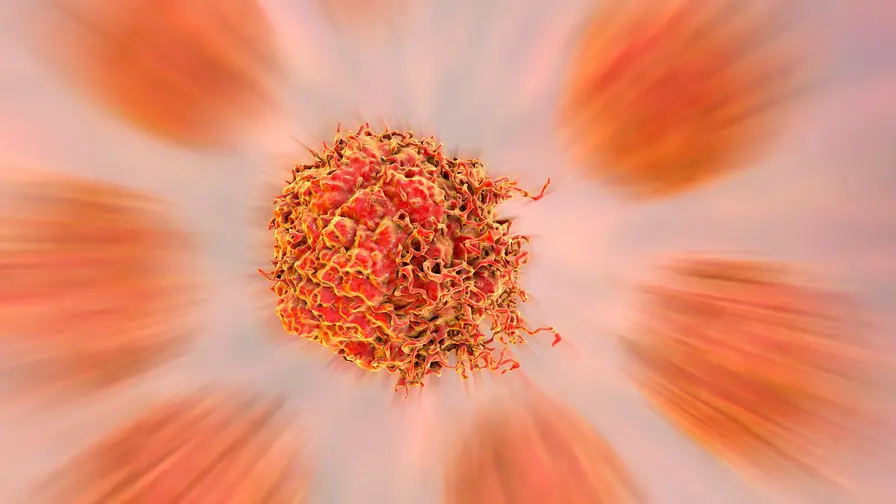
Read MoreOliver Hayes2026-07-252CRISPR Rewrites mRNA to Expose Prostate Tumors and Improve ImmunotherapyResearchers used an RNA-targeting CRISPR tool to prevent SPSB1 mRNA shortening, restore MHC-I presentation, and convert immune-cold prostate tumors into immune-hot ones, improving checkpoint therapy responses in mice.
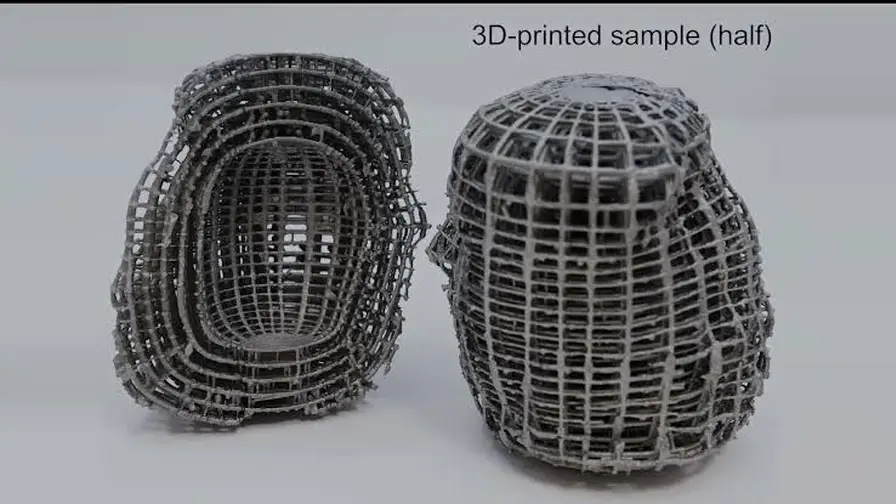
Read MoreOliver Hayes2026-07-2533D Thermal Cloak Hides Objects from Infrared Eyes NowA 3D-printed aluminum-and-rubber thermal cloak reroutes heat around complex shapes, hiding them from infrared cameras while stabilizing internal temperatures, with implications for electronics, defense, and adaptive heat management.
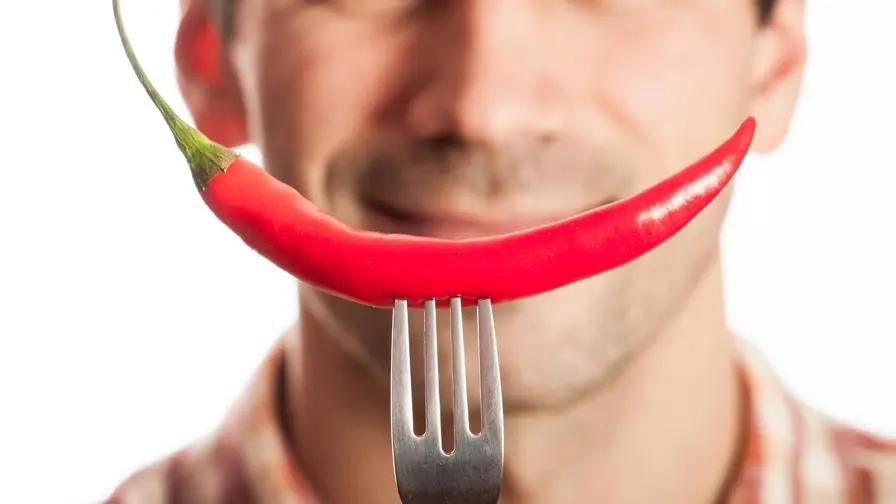
Read MoreOliver Hayes2026-07-253Why Drinking Water Can Make You Eat More, and Spice HelpsNew laboratory analyses show drinking water during a meal can increase food intake, while adding spice to a snack slows eating and reduces consumption. Findings highlight sensory and behavioral drivers of appetite.
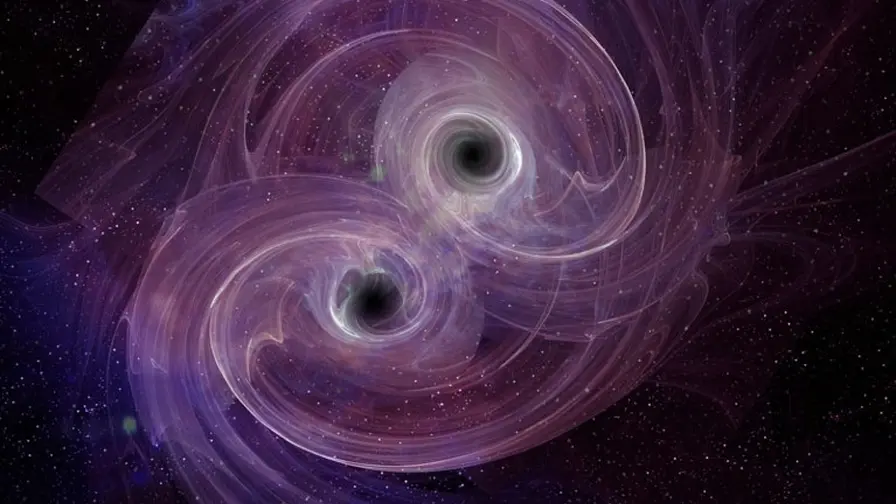
Read MoreNora Schmidt2026-07-243Black Hole Mergers: A Thermodynamic Shortcut to RemnantsPenn State researchers propose that entropy maximization predicts the mass and spin of black hole remnants. This thermodynamic shortcut matches numerical relativity within a few percent and could reshape gravitational-wave analysis.
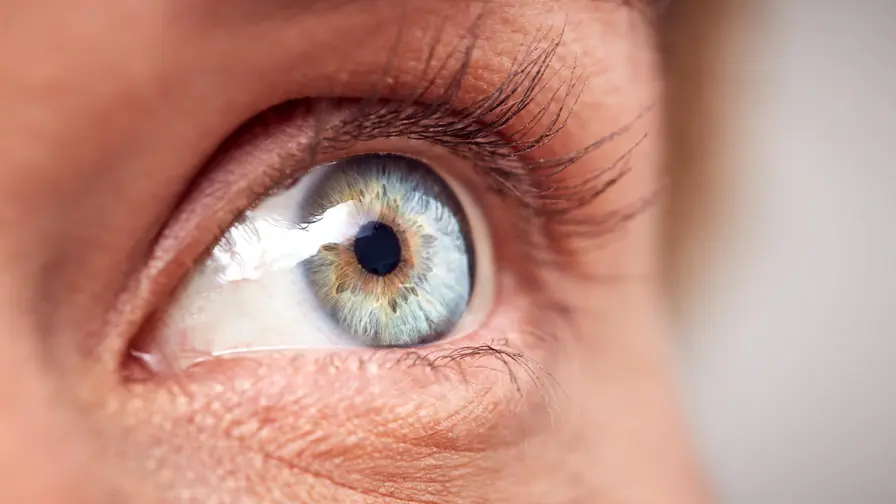
Read MoreOliver Hayes2026-07-243Scientists Discover Hidden Lymphatic Cleanup in the EyeResearchers have identified the POLO pathway, a previously unknown lymphatic drainage route in the back of the eye that may clear fluid and waste, reshaping our understanding of glaucoma and macular degeneration.
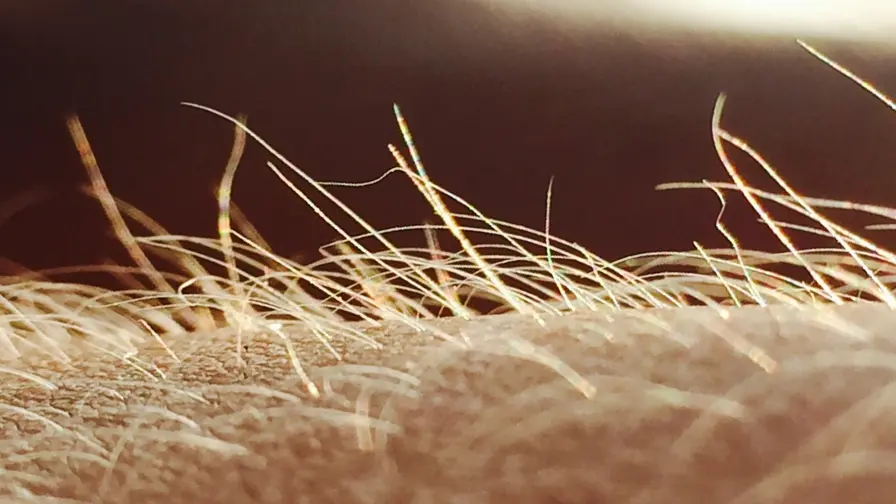
Read MoreNora Schmidt2026-07-242The Hidden Organ Behind Why We Crave Scratching NowNew mouse research identifies vellus-like hairs and linked sensory neurons as a dedicated pathway for hair-triggered itch, highlighting Piezo2 and TLR5+ neurons as potential targets for chronic itch therapies.
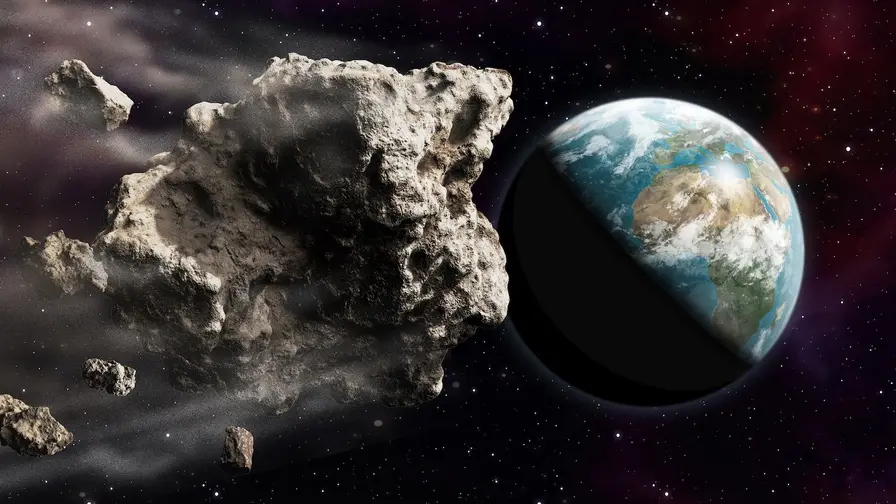
Read MoreOliver Hayes2026-07-234How a Single Asteroid Breakup Haunted Earth, Moon, MarsA new study links the breakup of the Eulalia asteroid to a surge of impacts across the inner solar system about 800 million years ago, offering a plausible cause for lunar crater spikes and potential effects on Earth and Mars.
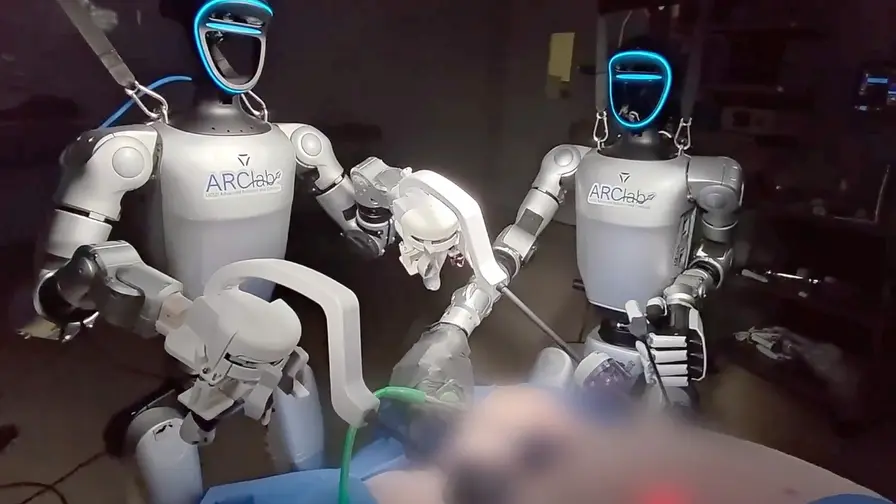
Read MoreNora Schmidt2026-07-232Humanoid Robots Perform First Live Surgical TrialsUCSD researchers teleoperated humanoid robots to perform laparoscopic gallbladder removal in pigs, demonstrating feasibility for portable, precision surgery and potential applications from remote clinics to space.
Read MoreNora Schmidt2026-07-232Electrical Brain Stimulation Restores Touch in ParalysisA long-term study shows intracortical microstimulation can recreate hand sensations for people with spinal cord injuries. Signals stayed localized and safe across 27 combined years of implants, while electrode durability remains the key challenge.
Read MoreOliver Hayes2026-07-233Microplastics Detected in Coronary Blood of STEMI PatientsA study found micro- and nanoplastic particles in coronary blood, most frequently in patients with severe heart attacks. Smoking and long-term PM2.5 exposure were strongly linked to higher detection rates, raising concerns about plastic pollution as a cardiovascular risk factor.