Read MoreNora Schmidt2026-08-113Why Dementia Risk Persists After Age Ninety, GloballyNew results from the LifeAfter90 study show that dementia risk persists after age 90 and varies by sex, race, ethnicity, and APOE genetics, highlighting the need for diverse long-term research and personalized prevention.
Read MoreNora Schmidt2026-08-102How a Hidden CD64 Pathway Lets T Cells Defeat Acute LeukemiaResearchers at MD Anderson discovered a CD64-dependent pathway that allows T cells to kill acute myeloid leukemia even without MHC presentation, revealing new avenues to tackle immune resistance in AML.
Read MoreOliver Hayes2026-08-102Why Belly Fat and Low Vitamin D Double Death Risk After 50A study of 5,520 adults over 50 finds abdominal obesity combined with vitamin D deficiency raises six-year mortality risk by 123 percent, highlighting the need to monitor waist circumference and vitamin D together.
Read MoreNora Schmidt2026-08-092Why Some People's LDL Skyrockets on Low-Carb Diets, ExplainedNew analysis of the DIETFITS trial suggests genetic differences explain why LDL cholesterol rises in some people on low-carb, high-fat diets. Polygenic scores may guide personalized dietary advice.
Read MoreOliver Hayes2026-08-092Occupational Pesticide Exposure Tied to Increased ALS RiskA pooled analysis of case-control studies links occupational pesticide exposure to a substantially higher ALS risk, particularly in men and heavily exposed workers, highlighting gaps in exposure assessment and the need for preventive workplace measures.
Read MoreOliver Hayes2026-08-082Nature’s Blueprint: Snake Proteins Could Transform AntivenomScientists used proteins from rattlesnake blood to create recombinant antivenom cocktails that are about ten times more potent than a current sheep-based treatment, promising safer, broader, and scalable therapies.
Read MoreElias Moreau2026-08-0893% Drop in Institutional Flows into XRP Explained NowSpot Ripple (XRP) funds saw a 93% drop in inflows, yet on-chain data shows whales accumulating. Institutional outflows contrasted with large-holder buying and exchange withdrawals on Aug 6.
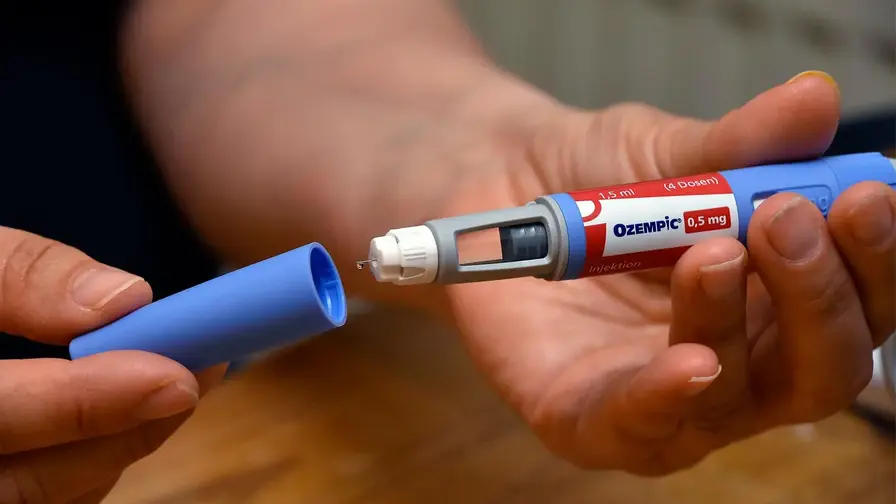
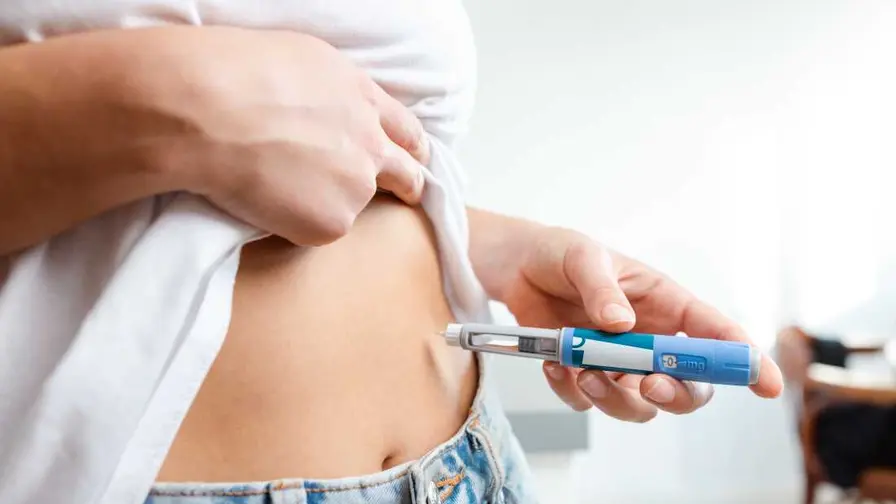
Read MoreNora Schmidt2026-08-06Do Ozempic Drugs Change Your Life? New Study Says NoA University of Chicago-led analysis finds that GLP-1 drugs such as Ozempic deliver clear clinical benefits for diabetes, but produce little measurable change in employment, marriage, or standard mental health metrics over one to two years.
Read MoreNora Schmidt2026-08-06Why Coastal Towns Are Quietly Losing Their Health EdgeLong-term British cohort studies reveal that coastal residence alone does not protect health; economic deprivation and migration patterns concentrate chronic illness in many seaside communities, calling for targeted policy responses.
Read MoreOliver Hayes2026-08-06How Midlife Vascular Health Can Add Years Free of DementiaA 26-year study finds normal blood pressure, no diabetes and not smoking in midlife are linked to nearly 13 extra dementia-free years. The research highlights vascular health as a key lever for delaying cognitive decline.
Read MoreNora Schmidt2026-08-05Blood Test Predicts Alzheimer's Risk Years Ahead in AdultsAn international study shows high blood levels of p-tau217 can predict a substantially increased risk of cognitive impairment within five to ten years, offering a noninvasive tool for early Alzheimer’s risk assessment.
Read MoreNora Schmidt2026-08-04How Two Opposite Drugs Both Cause Weight Loss in MiceResearchers traced why both activating and blocking the same appetite receptor can cause weight loss in mice: distinct effects arise from receptor activity in the brainstem versus the hypothalamus, guiding future drug combos.
Read MoreOliver Hayes2026-08-04How Speaking Multiple Languages Keeps Brains YoungerNew research presented at FENS 2026 links multilingual experience to brain connectivity patterns that appear younger. Greater proficiency and earlier acquisition strengthen the association, though causality is not yet established.
Read MoreNora Schmidt2026-08-04Midlife Flip: How the Human Hippocampus Remodels ItselfSingle-cell mapping reveals that between ages 50 and 75 the human hippocampus undergoes coordinated immune, vascular, and genome-architecture changes, suggesting brain aging is active remodeling rather than simple decline.
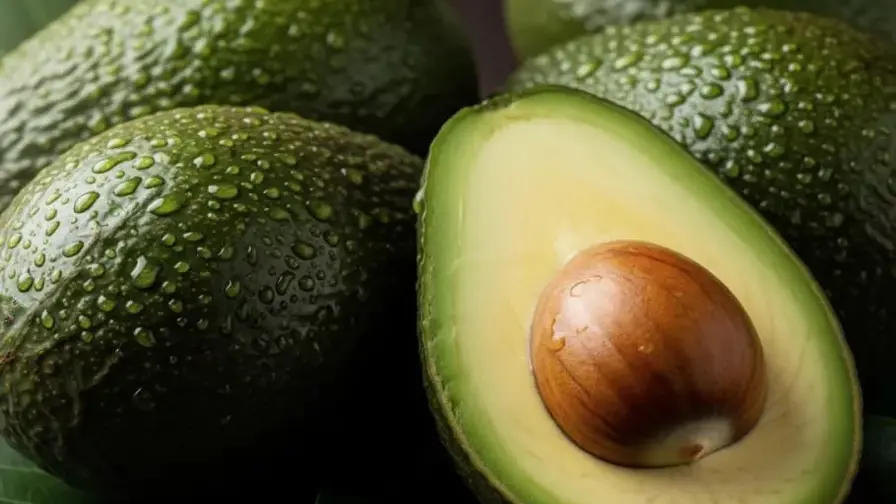
Read MoreOliver Hayes2026-08-04Eating One Avocado a Day May Cut Heart Disease RiskA Penn State led trial found that eating one avocado daily lowered LDL particle concentration in adults with obesity, equivalent to an estimated 4 percent reduction in heart disease risk.
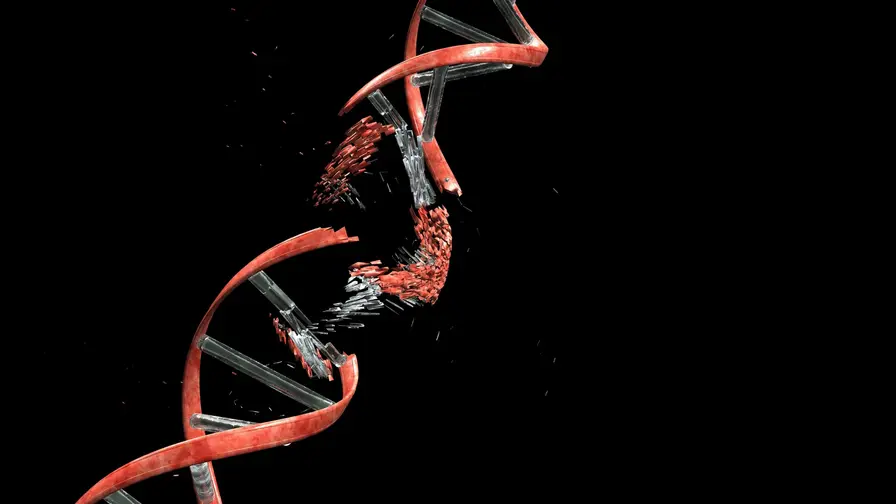
Read MoreOliver Hayes2026-08-02How Tumors Shatter Their DNA to Fuel Aggressive GrowthNew research shows tumor cells push super-enhancers so hard that DNA breaks cluster at those sites; repeated repair introduces mutations that may drive cancer evolution and reveal treatment targets.
Read MoreNora Schmidt2026-08-02Frequent Cannabis Use Linked to Higher Morning CortisolA study from Oregon State University found frequent cannabis users often start the day with higher cortisol levels, suggesting possible disruption to the HPA axis and daily stress rhythms. Longitudinal research is needed.
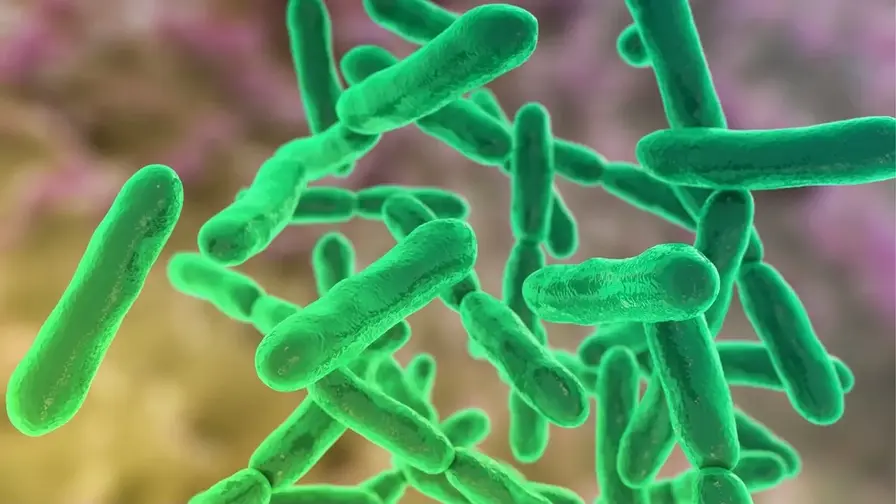
Read MoreNora Schmidt2026-08-01Engineered Gut Bacteria Reprogram Pancreatic TumorsEngineered Bifidobacterium longum carrying a redesigned IL-2, called BifidoSumIL-2, accumulates in low-oxygen pancreatic tumor regions, stimulates CD8+ T cells, slows tumor growth in animals, and enhances standard therapies.
Read MoreNora Schmidt2026-08-01Rapamycin Rapidly Reverses Autism-Like Traits in Adult MiceA UCLA study found a single dose of rapamycin briefly reversed autism-like brain activity and behaviors in adult mice exposed to prenatal inflammation, revealing a rapid functional reset of neural circuits.
Read MoreOliver Hayes2026-07-313A Molecule That Recharges Aging Muscles’ Repair SignalResearchers found that lipoic acid trisulfide (LASSS) can protect and enhance HGF, the muscle repair signal, resisting nitration and boosting receptor binding. Early mouse tests suggest a new way to treat muscle decline.



.webp "Occupational Pesticide Exposure Tied to Increased ALS Risk")