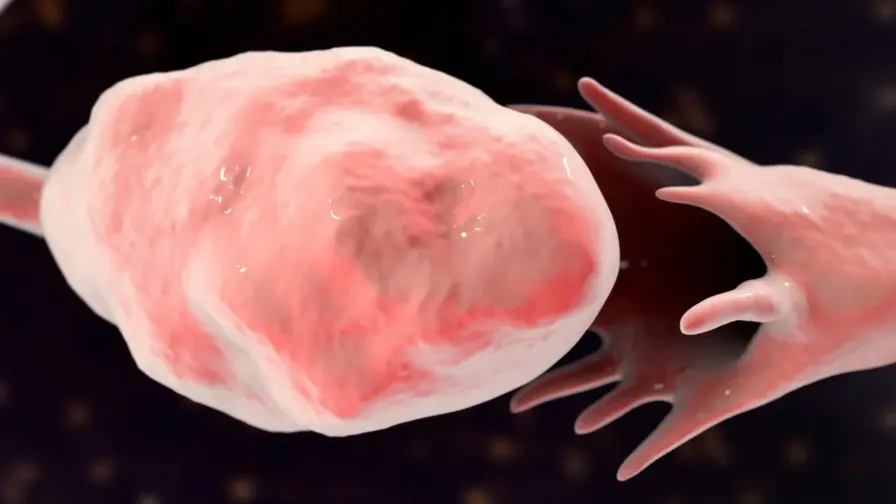
Read MoreOliver Hayes2026-07-132Ovaries Age Long Before Menopause, Mouse Study ShowsA Nature Aging mouse study shows ovaries experience tissue disorganization, immune shifts and inflammation well before menopause, reframing reproductive aging as a loss of cellular coordination rather than only follicle depletion.
Read MoreOliver Hayes2026-07-132Fast Relief or Placebo? 10-Day Brain Stimulation WorksA JAMA Network Open trial finds 10 daily sessions of intermittent theta-burst stimulation produce rapid clinical improvement in depression, but sham treatments catch up by four weeks, raising questions about treatment duration and durability.
Read MoreOliver Hayes2026-07-133Two Hours of Strength Training May Add Years to LifeTwo weekly sessions of resistance exercise — about 90 to 120 minutes — are linked to lower mortality, strongest for heart and neurological causes. Pairing strength with aerobic activity yields the greatest benefit.
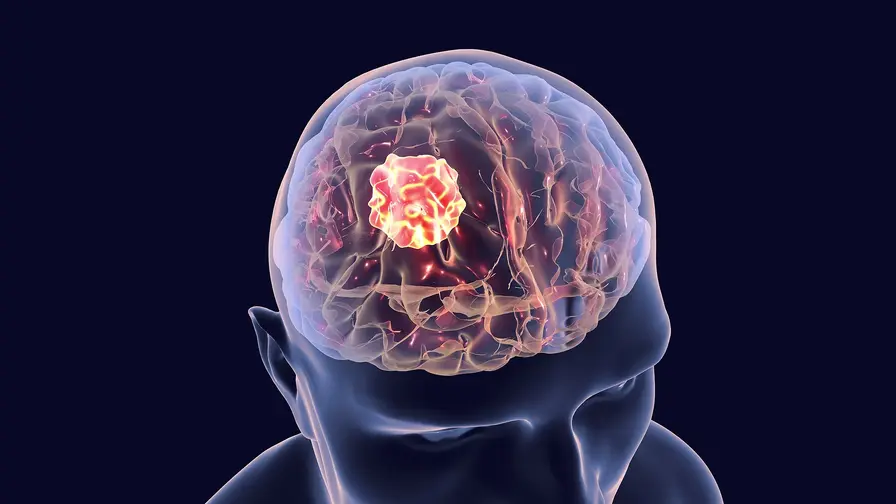
Read MoreNora Schmidt2026-07-122Mannose-coated Nanoparticles Bypass the Blood-Brain BarrierResearchers at Oregon State University engineered mannose-coated lipid nanoparticles to traverse the blood-brain barrier and deliver PTEN mRNA to glioblastoma cells in mice, boosting survival and reducing tumor size.
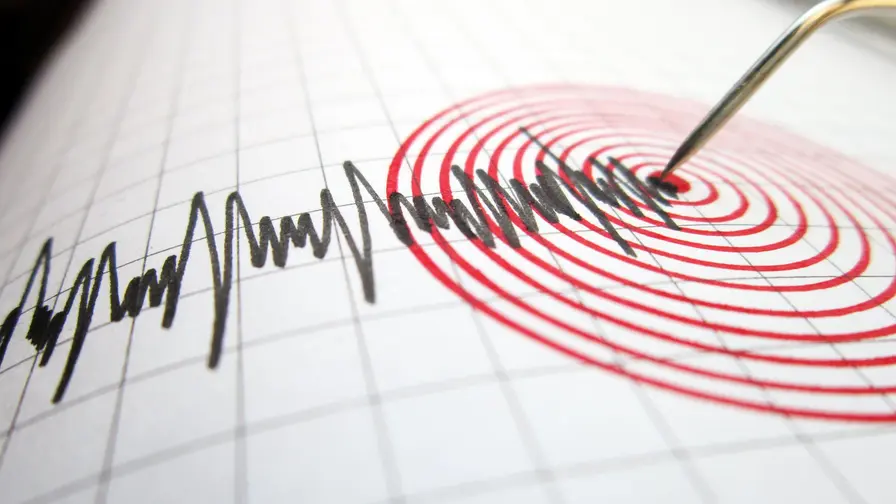
Read MoreNora Schmidt2026-07-124Hidden Foreshocks: AI Finds Quiet Signs Before QuakesUnsupervised machine learning can expose subtle pre‑earthquake patterns by grouping tremors into interacting families. GFZ researchers found distinct preparatory signatures before some large quakes, improving forecasting potential.
Read MoreNora Schmidt2026-07-122The Hidden Sixth Sense That Shapes Mental Health TodayInteroception, the brain's sensing of internal signals like heartbeat and hunger, influences mood and mental health. New studies link altered internal awareness to anxiety, anorexia, and mood stability.
Read MoreNora Schmidt2026-07-122Self-Healing Contact Lenses Repair Scratches with UVDankook University researchers developed hydrogel contact lenses that self-heal surface scratches under ordinary UV light using disulfide cross-linkers, restoring stability and reducing contamination risk.
Read MoreOliver Hayes2026-07-113Engineered Progenitor Cells Offer Scalable Cancer TherapyUSC researchers developed a scalable platform using granulocyte-monocyte progenitors (GMPs) to produce engineered macrophages for cancer immunotherapy, offering off-the-shelf and durable treatment potential.
Read MoreOliver Hayes2026-07-113A Tiny Chemical Trick That Could Shrink Future ChipsA Princeton-led simulation study shows that coating molybdenum disulfide with oxygen or fluorine makes plasma etching selective enough to remove just the top sulfur layer, widening the manufacturing window for future, smaller chips.
Read MoreOliver Hayes2026-07-112Why the Milky Way’s Gamma-Ray Glow Keeps Dark Matter AliveA new machine-learning analysis that includes photon energies reopens the debate over the Milky Way’s gamma-ray glow, keeping dark matter a viable explanation and challenging pulsar-based models.
Read MoreOliver Hayes2026-07-112How Losing 90 Minutes of Sleep Can Add Pounds FastA Columbia University study finds that delaying bedtime by 90 minutes for six weeks led to measurable weight gain, more sedentary time, and hormonal shifts that increase appetite. Practical implications for sleep and metabolic health.
Read MoreNora Schmidt2026-07-113Tiny Shoe-Box Satellites Could Expose Orbital Nuclear ArmsResearchers propose using shoebox-sized satellites with neutron detectors to identify hidden nuclear warheads in Earth orbit, offering a non-intrusive verification method to bolster the Outer Space Treaty and space security.
Read MoreOliver Hayes2026-07-103Scientists Watch Oceanic Crust Form in Real Time NowAn underwater observatory recorded a rare 16-day seafloor-spreading episode at the Southeast Indian Ridge, showing rapid dike intrusions, aseismic slip, and meters of crustal opening that resolve a long-standing geophysical paradox.
Read MoreOliver Hayes2026-07-103Could Creatine Help Depression? The Evidence So FarResearchers are exploring whether creatine, a common sports supplement, can help treat depression. Early randomized trials show mixed results. Larger, longer studies are needed to confirm efficacy and safety.
Read MoreNora Schmidt2026-07-103Erucamide Found to Rally Retina Against Degeneration NowResearchers discovered erucamide, a naturally occurring lipid that activates retinal myeloid cells through TMEM19, slowing structural and functional decline in models of retinal degeneration and suggesting new therapeutic avenues.
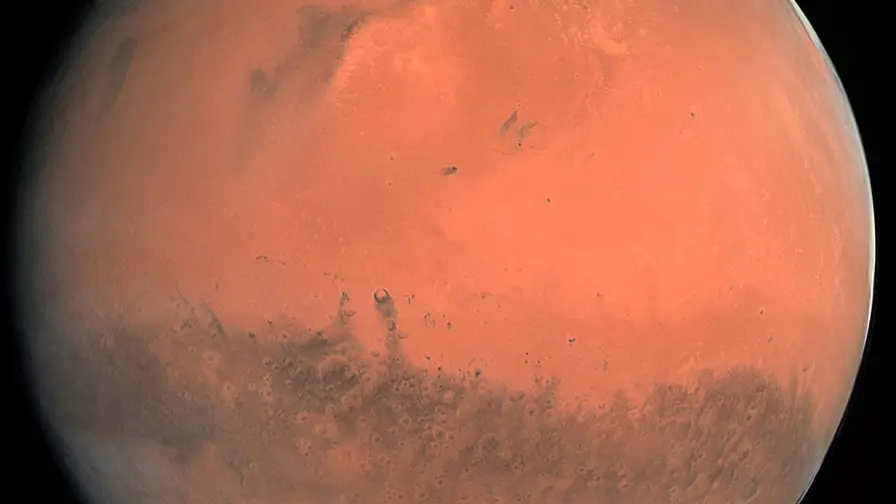
Read MoreNora Schmidt2026-07-093Meteorite Tests Sharpen Rosalind Franklin’s SearchLaboratory tests on the Murchison meteorite validate MOMA’s ability to separate chiral molecules like pristane and phytane, sharpening ESA’s Rosalind Franklin rover strategy for detecting potential biosignatures on Mars.
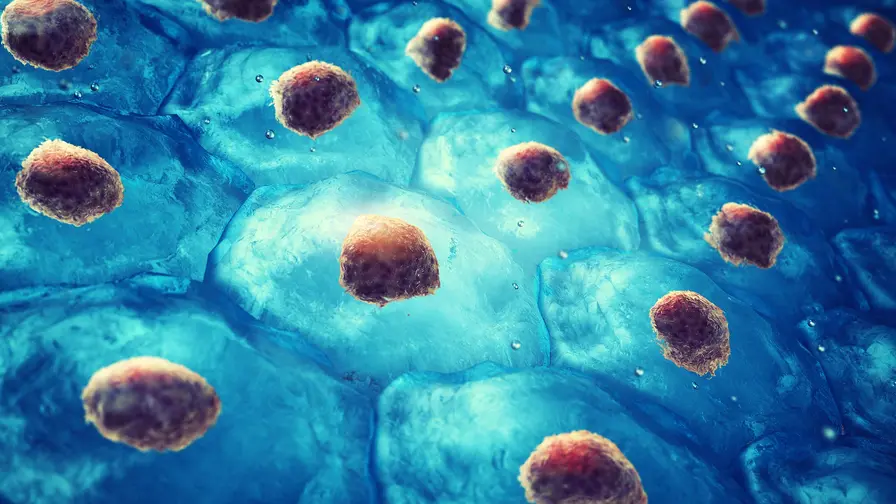
Read MoreOliver Hayes2026-07-092Engineered Stem Cells Rewire Immunity in Type 1 DiabetesMUSC researchers engineered mesenchymal stem cells to produce alpha-1 antitrypsin, reprogramming the immune system and reversing new-onset Type 1 diabetes in mice by protecting beta cells and inducing T cell exhaustion.
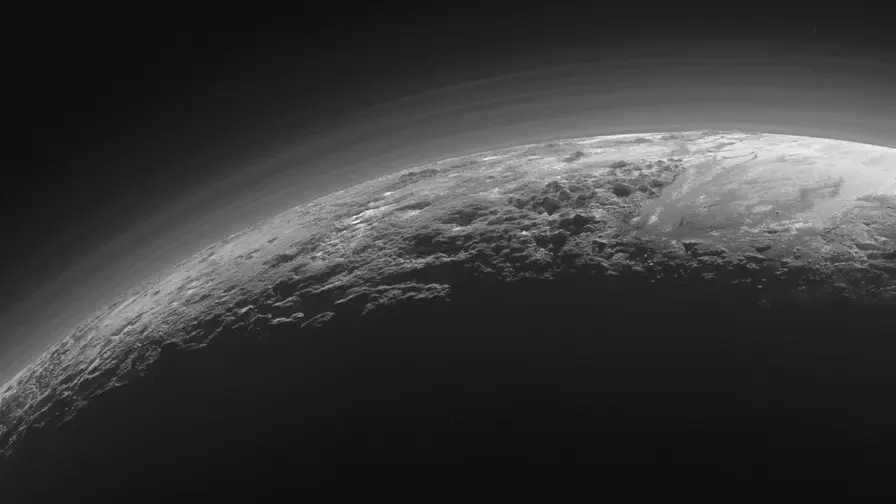
Read MoreNora Schmidt2026-07-093An Unknown Chemical Signature Appears on Pluto and TitanJWST detected an unidentified infrared absorption feature on both Titan and Pluto. Astronomers consider novel organics, complex ice mixtures, and upcoming missions like Dragonfly for definitive answers.
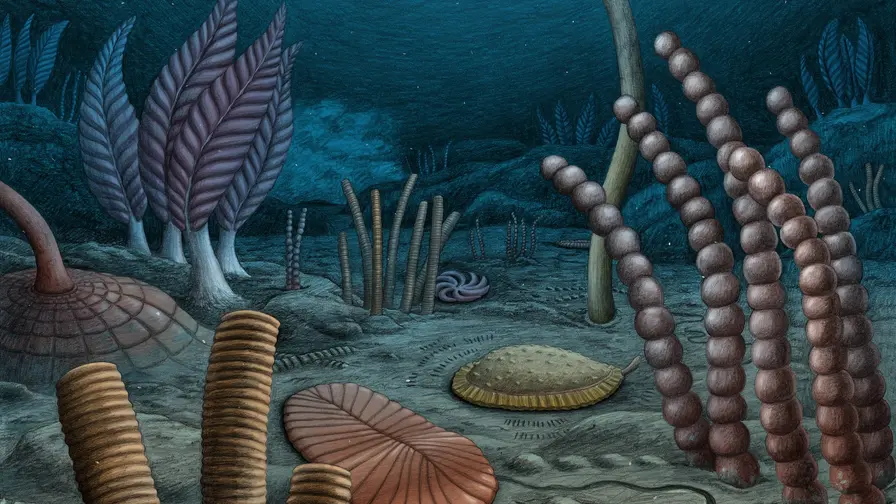
Read MoreOliver Hayes2026-07-093Deep-Sea Fossils Push Back Origin of Complex AnimalsA newly discovered Ediacaran fossil site in Canada pushes key animal traits back to about 567 million years ago, suggesting movement and sexual reproduction emerged earlier and possibly in deeper waters.
Read MoreNora Schmidt2026-07-082Schizophrenia and Bipolar Share 70% Genetic RootsLarge-scale genetic studies reveal five shared genetic signatures across psychiatric disorders and a 70% shared genetic signal between schizophrenia and bipolar disorder, reshaping diagnosis and treatment approaches.