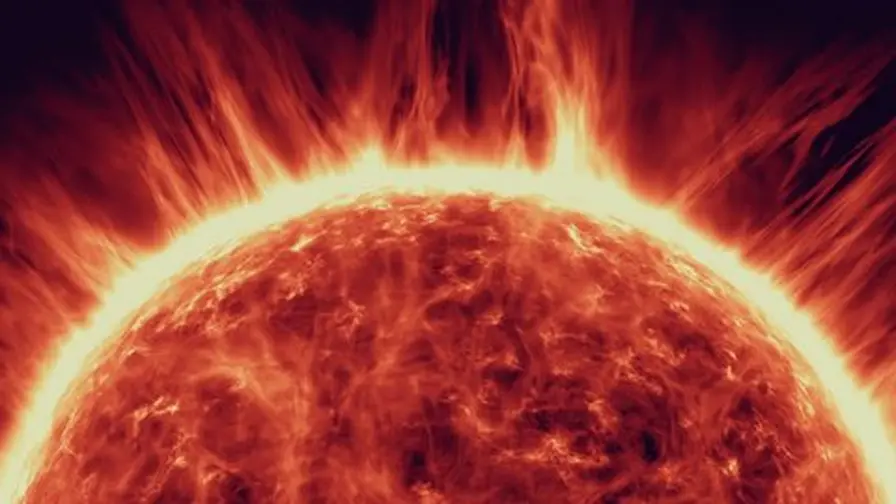
Read MoreNora Schmidt2026-10-093How a 16-Minute Train Delay Revealed a Solar MysteryArchival sleuthing shows a famous 1841 railway delay was actually in 1848, revising the timeline of early space weather impacts and highlighting how solar storms have disrupted electrical systems since telegraph networks spread.
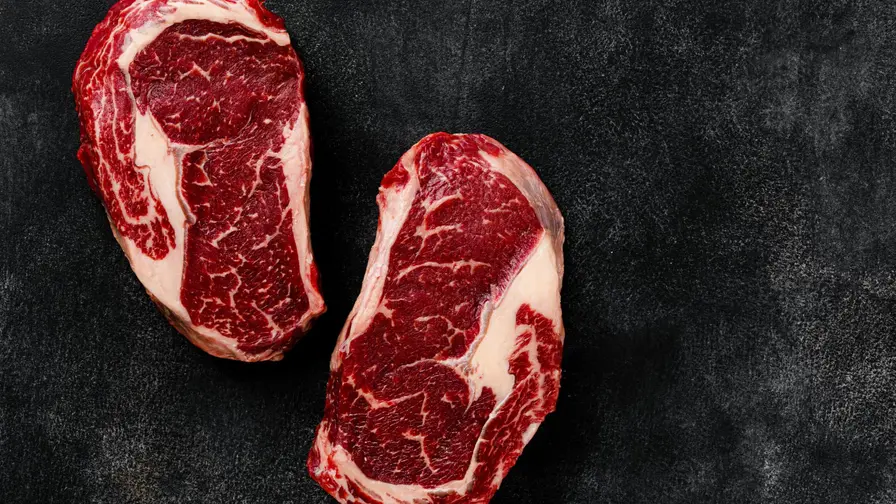
Read MoreNora Schmidt2026-10-093Red Meat's Hidden Sugar May Raise Type 2 Diabetes RiskNew analysis of nearly 90,000 adults links higher intake of Neu5Gc—a sugar found in red meat—to greater type 2 diabetes risk, suggesting inflammation as a possible mechanism and urging further study.
Read MoreOliver Hayes2026-10-09Lack of Sleep Boosts Conflict Between Employees and ManagersA Johns Hopkins-led study finds poor sleep raises the risk of conflict with managers, driven by reduced self-control. The research links sleep health to teamwork, productivity, and organizational policy.
Read MoreOliver Hayes2026-10-092Why Cancer Rates Are Rising Among Adults Under Fifty TodayAn international analysis finds rising rates of several cancers in adults under 50 in the UK, US and Netherlands. Data point to obesity, lifestyle and environmental exposures, with detection partly responsible.
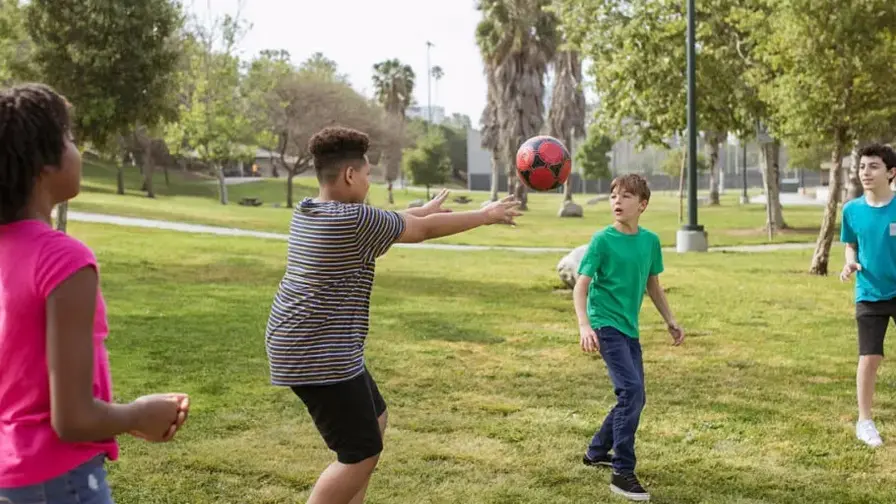
Read MoreNora Schmidt2026-10-082Teen Fitness Predicts Lower Adult Depression Risk Over DecadesA long-term Australian study finds that higher cardiorespiratory fitness in adolescence is associated with a lower risk of clinically assessed depression in adulthood, with the strongest effects in the first decade after testing.
Read MoreNora Schmidt2026-10-082Rocky Planets Could Form 100 Million Years After Big BangSimulations suggest pair-instability supernovae could seed local, metal-rich pockets that form rocky planets about 100 million years after the Big Bang, expanding the window for early planet formation and astrobiology.
Read MoreNora Schmidt2026-10-072Why Exercise Quietly Outperforms Many Pain TreatmentsA comprehensive analysis of 2,736 trials finds exercise reduces acute and chronic pain across many conditions. Shorter, lower‑intensity programs often deliver meaningful relief and call for precise exercise prescriptions.
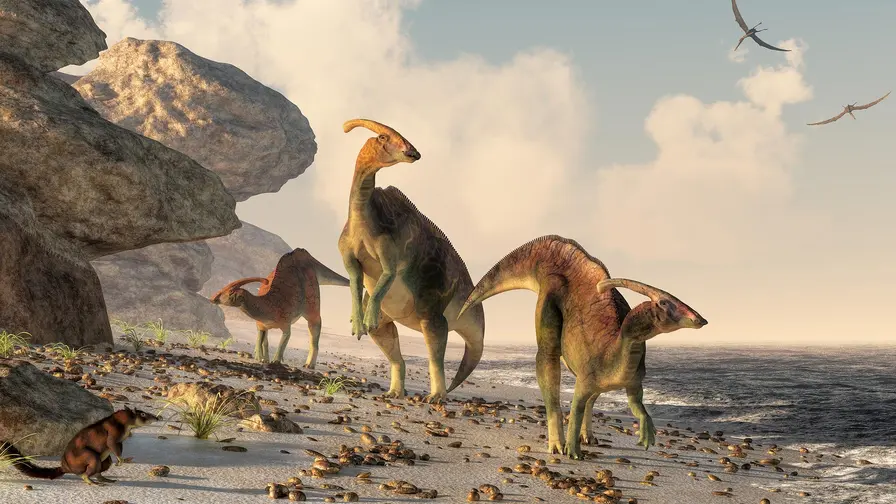
Read MoreNora Schmidt2026-10-073How Seaweed Sustained Dinosaurs Along Ancient CoastsStable carbon isotopes in fossil tooth enamel reveal that Cretaceous coastal animals, including dinosaurs, incorporated marine-derived food—likely seaweed—into their diets, reshaping views of ancient land-sea links.
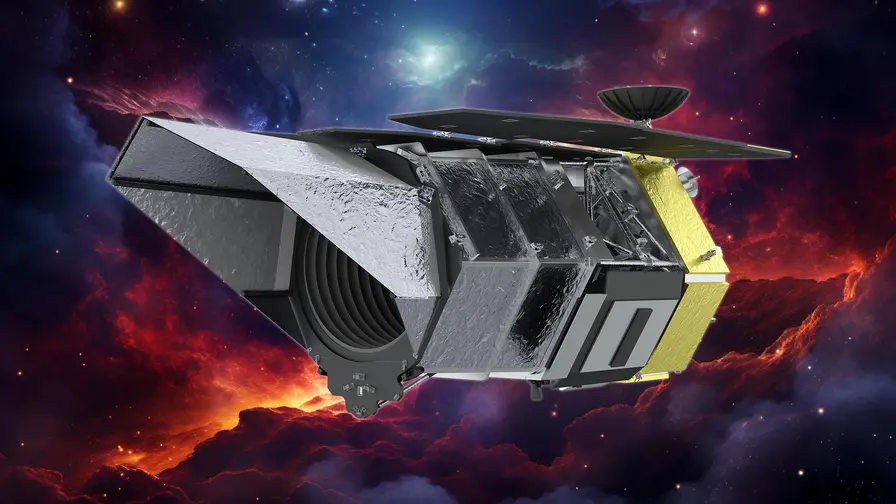
Read MoreOliver Hayes2026-10-073Roman Telescope Shows Precision, Captures Coronagraph LightNASA’s Roman Space Telescope demonstrated exceptional pointing stability and recorded first light with its Coronagraph Instrument, a key step toward imaging exoplanets and refining spectral-guiding techniques.
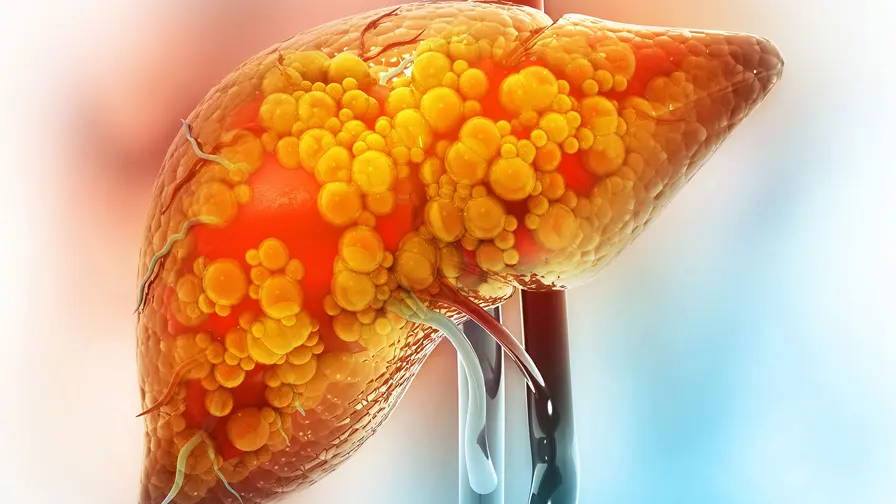
Read MoreNora Schmidt2026-10-062Scientists Uncover Five Hidden Forms of Fatty Liver DiseaseMayo Clinic-led research identifies five biologically distinct subtypes of MASLD, revealing genetic drivers, varying risks for severe liver disease, and links to conditions outside the liver, with implications for targeted care.
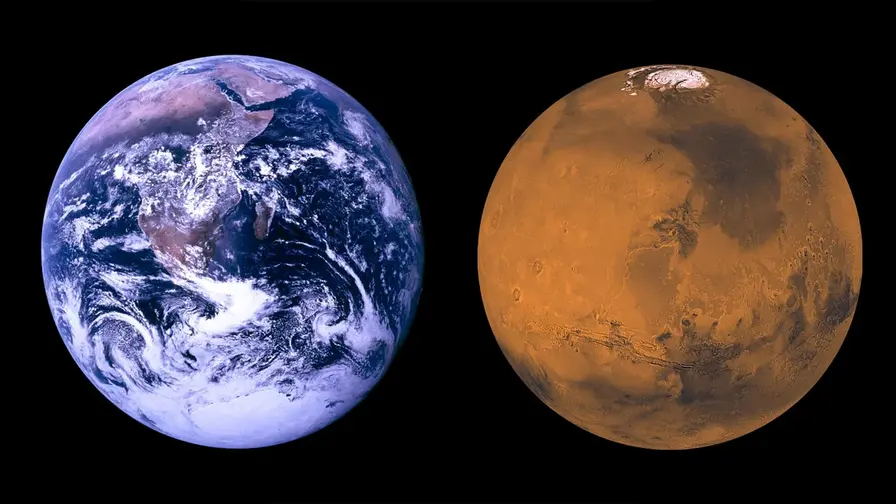
Read MoreNora Schmidt2026-10-062Earth and Mars: Two Roads to Becoming Rocky WorldsNew research shows Earth and Mars formed through different mixes of pebble accretion and planetesimal impacts. Chemical fingerprints in volatile elements reveal contrasting growth histories with implications for habitability.
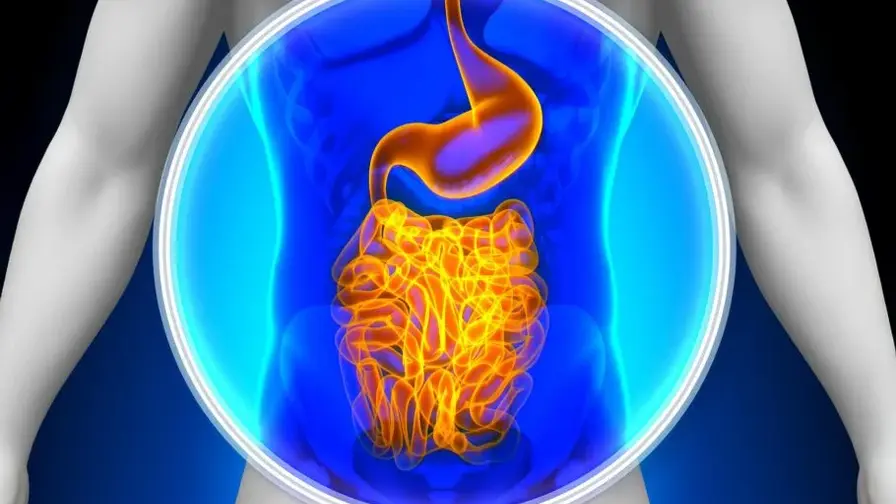
Read MoreOliver Hayes2026-10-06220 Minutes of Walking Triggers Rapid Gut Activity QuicklyA Fujita Health University study shows a 20-minute comfortable walk triggers a quick, measurable rise in bowel sounds and gut motility in healthy adults, suggesting walking can be an immediate aid for constipation.
Read MoreNora Schmidt2026-10-052Infections Cause One in Eight Cancers: A Preventable TollA Lancet Oncology analysis finds about 2.3 million cancers in 2024 linked to infections — roughly 12% of cases. Vaccination and infection control could prevent a large share, especially HPV and H. pylori-related cancers.
Read MoreOliver Hayes2026-10-052Speech Clock: AI Uses Voice to Reveal Biological AgingResearchers developed a "Speech Clock" AI that estimates age from voice. Larger gaps between predicted and real age associate with cognitive decline, dementia risk, and socioeconomic stressors, offering a low-cost, noninvasive screening signal.
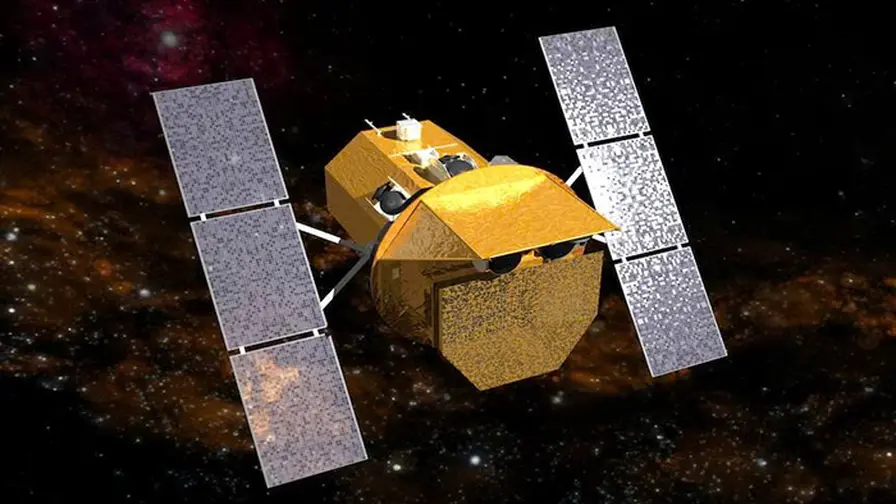
Read MoreOliver Hayes2026-10-052Swift Telescope Nearing Reentry After Bold Rescue AttemptNASA's Neil Gehrels Swift Observatory is losing altitude after 22 years in orbit. A daring rescue attempt with the Catalyst 'Link' spacecraft failed, but Swift's instruments have been partially reactivated to capture final gamma-ray burst observations.
Read MoreOliver Hayes2026-10-043How a Common Stomach Bacterium Triggers Precancerous ChangeCharité researchers mapped how chronic Helicobacter pylori infection pushes stomach lining into a precancerous repair program. Insights reveal connective tissue as a signaling hub and suggest new prevention targets.
Read MoreOliver Hayes2026-10-042New Study: AI Chatbots May Trigger Severe Mental HarmUK researchers warn emotional relationships with AI chatbots can cause addiction-like dependency, worsen psychiatric symptoms, and in some cases be linked to self-harm. Study reviews Replika, ChatGPT, Claude, Character.AI and urges safety measures.
Read MoreNora Schmidt2026-10-043Why Humans Lost Most Body Hair but Kept Scalp Hair IntactHuman hair evolution blends biology and culture. This article explores why most body hair was reduced while scalp, facial, axillary and pubic hair persisted, linking fossil evidence, thermoregulation, sexual signaling and social history.
Read MoreOliver Hayes2026-10-032Cannabis Use Tied to Greater Risk of Violence, ReviewA King’s College review of 63 studies links cannabis use with higher odds of both committing and experiencing violence, highlighting implications for clinical assessment and public-health messaging.
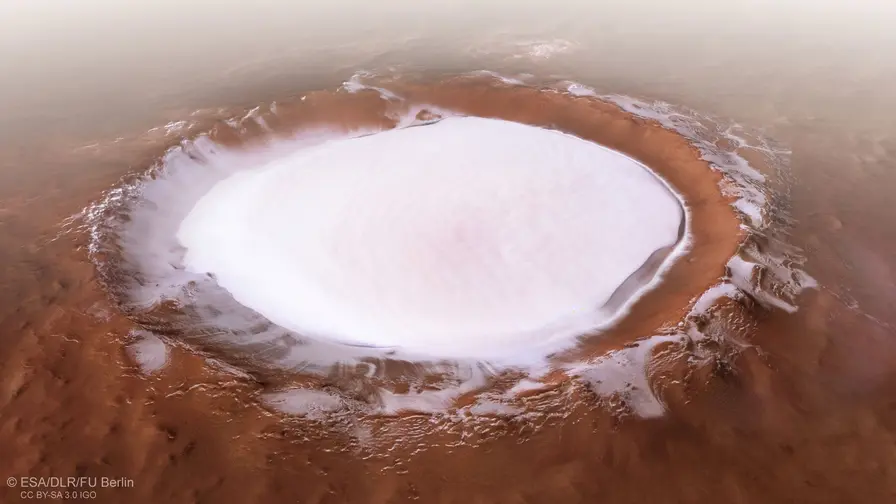
Read MoreNora Schmidt2026-10-033Why Mars' North Polar Ice Is Cleaner Than Scientists ThoughtNew analyses suggest Mars' north polar ice contains far less dust than earlier estimates, revealing cleaner layered ice that preserves climate history and may influence transient melt and habitability scenarios.