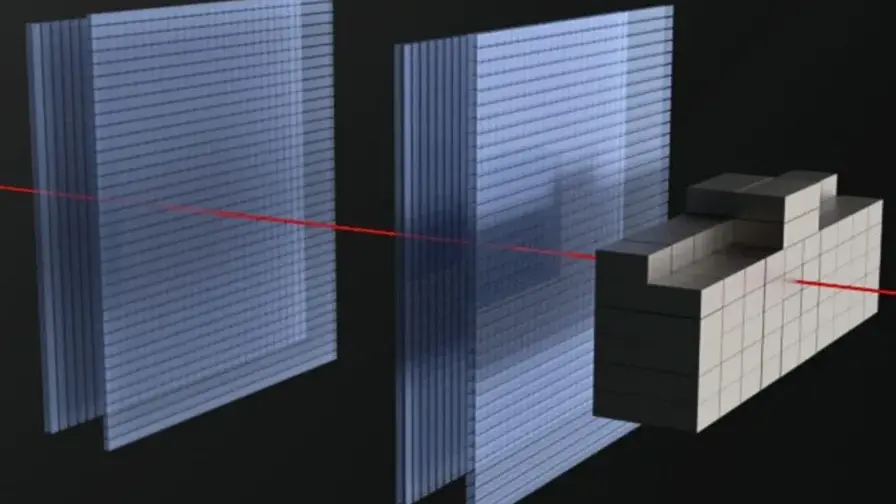
Read MoreOliver Hayes2026-10-032Imaging Objects Behind 1.8m Concrete Wall with 10 PW LaserResearchers at ELI-NP used a 10 petawatt laser to generate muons and image objects behind a 1.8 metre concrete wall, demonstrating a controlled muonography method with potential applications in security, mining and structural inspection.
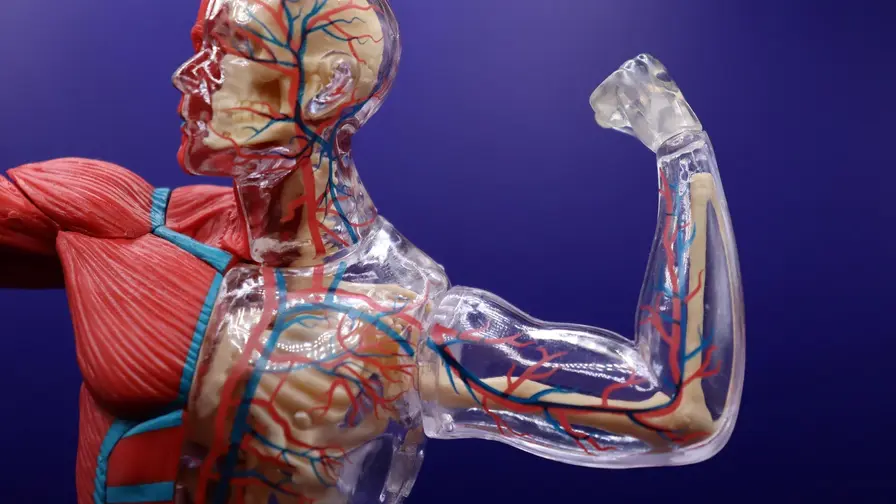
Read MoreOliver Hayes2026-10-022Muscle Loss, Not Weight, May Signal Future Dementia RiskA major review of over 80 studies suggests declining muscle strength — sarcopenia — is linked to a higher risk of dementia, while obesity shows age-dependent effects. Preserving muscle may be a key prevention strategy.
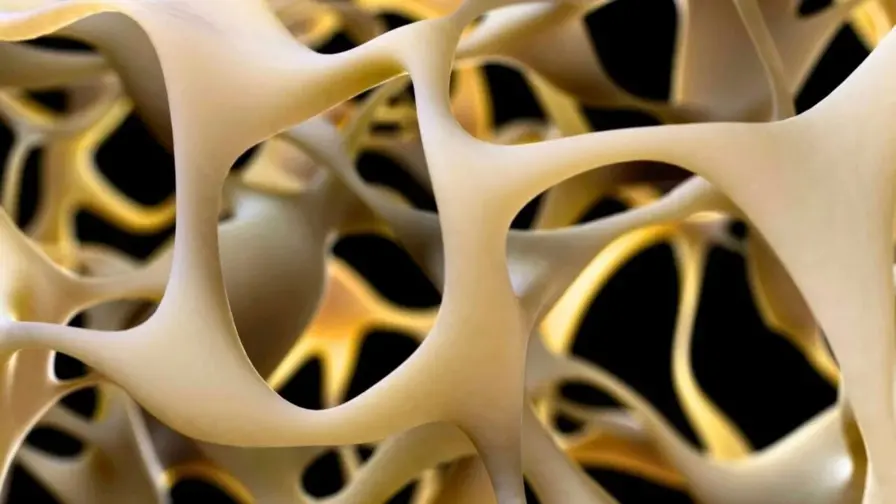
Read MoreOliver Hayes2026-10-022High Blood Pressure May Drive Osteoarthritis ProgressionNew research links high blood pressure to faster cartilage loss in osteoarthritis via the AVP hormone and the AVPR1A receptor, suggesting a treatable biological pathway beyond wear and tear.
Read MoreNora Schmidt2026-10-012Why Memory Confusion Often Begins in Middle Age, New StudyNew brain-imaging research from Binghamton University finds that associative memory errors and unusual hippocampal reactivation patterns can begin by midlife, suggesting memory decline may start earlier than previously thought.
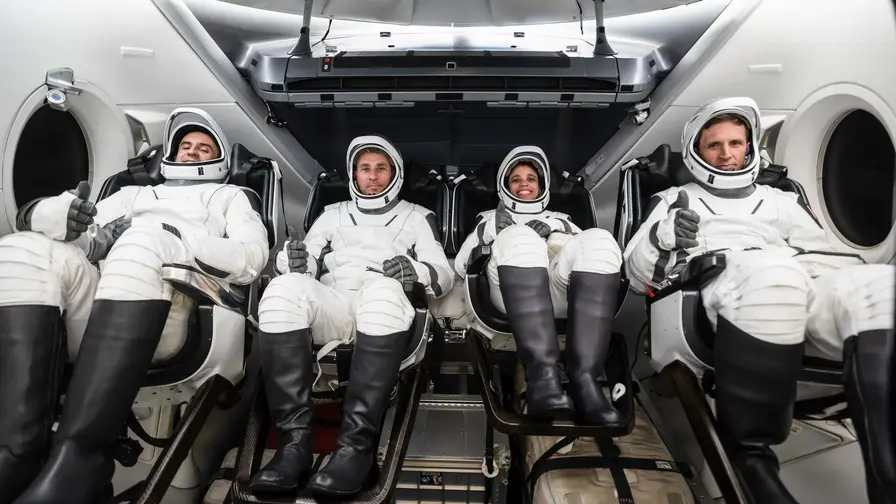
Read MoreOliver Hayes2026-10-012Crew-13 Targets Under-Nine-Hour Trip to the ISS TodayNASA and SpaceX aim for an 11:10 a.m. EDT October 1 liftoff for Crew-13. The four astronauts may reach the ISS in under nine hours, docking at Harmony to join Expedition 75 and begin research.
Read MoreOliver Hayes2026-10-013Why Nearby Exoplanets May Still Harbor Only MicrobesA study suggests that cumulative photosynthetic energy, not age alone, governs how far life evolves on nearby exoplanets. Many old worlds may remain microbial due to limited light, water, and climate.
Read MoreOliver Hayes2026-09-302Buried Volcano on Moon Points to an Ancient DynamoOrbital gravity and magnetic data reveal a 60 km–wide, magnetized volcanic body beneath the Moon's Dewar region, strengthening evidence that an ancient core-driven dynamo once existed and reshaping ideas about lunar magnetism.
Read MoreOliver Hayes2026-09-301Pomegranate Compound Boosts Heart Function in HFpEF ModelsKing's College London researchers show urolithin A, generated after eating pomegranate and similar foods, improves heart relaxation and reduces fibrosis in HFpEF models. Human tissue tests suggest translational potential, but clinical trials are needed.
Read MoreOliver Hayes2026-09-302Protostar to Test First Wireless Power Transfer in OrbitStar Catcher Industries will launch Protostar in October 2026 to attempt the first wireless transfer of optical power between independent spacecraft, testing tracking, conversion, and thermal challenges in orbit.
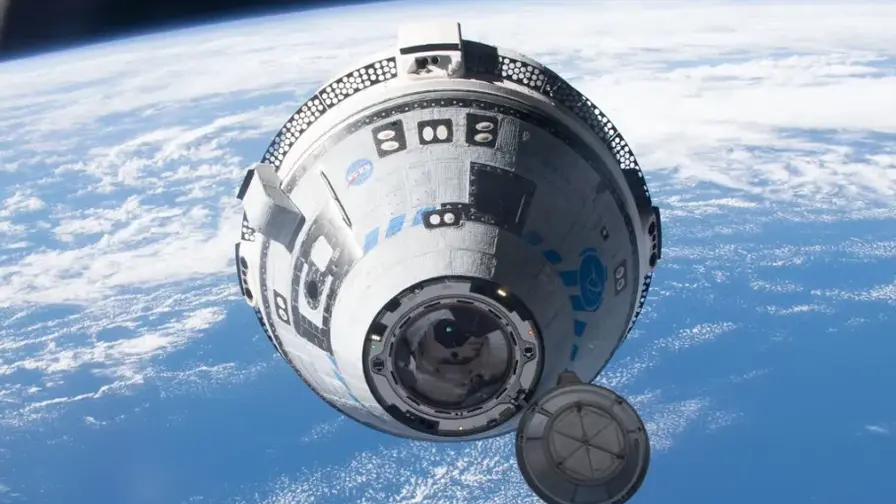
Read MoreNora Schmidt2026-09-302Why Boeing's Starliner Won't Carry Crew Before 2028Boeing's Starliner suffered propulsion and seal failures during a 2024 crew test, delaying crewed flights until 2028. NASA and Boeing plan staged fixes, an additional uncrewed demo, and a switch from Atlas V to Vulcan Centaur, costing about €334 million.
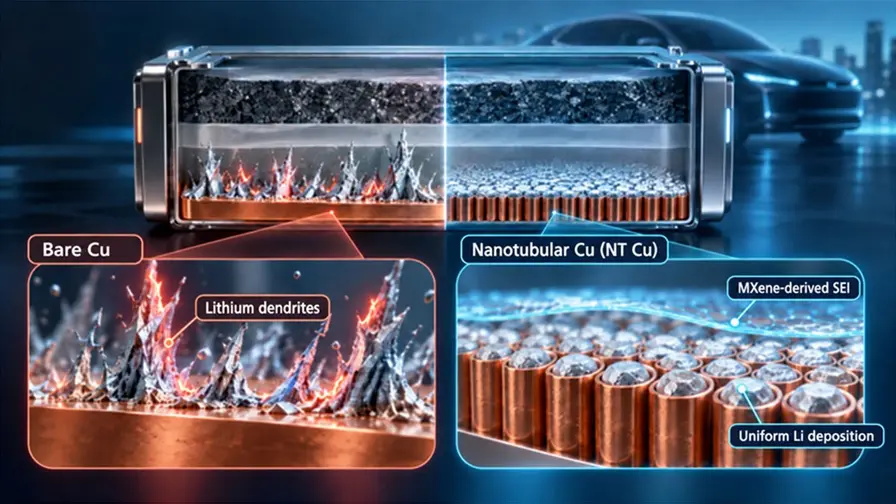
Read MoreOliver Hayes2026-09-292Chipmaking Methods Extend Anode-Free EV Battery LifeKAIST researchers applied semiconductor microfabrication and a nanoscale MXene coating to copper foil, reducing lithium dendrites and forming a stable protective layer for lighter, longer-lived anode-free EV batteries.
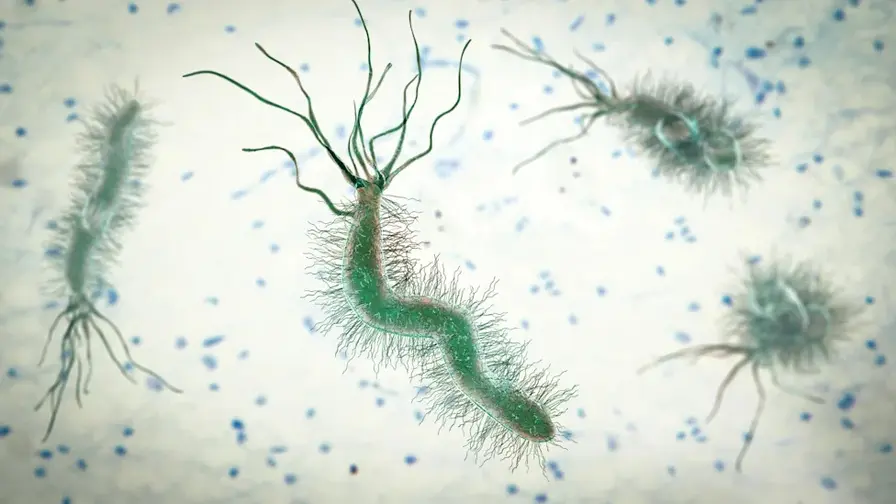
Read MoreNora Schmidt2026-09-292Five Infections Behind Millions of Global Cancer CasesA new global analysis finds infections accounted for 12 percent of cancers in 2024 – about 2.3 million cases. Five pathogens, led by H. pylori and HPV, explain most infection-linked cancers and point to prevention opportunities.
Read MoreOliver Hayes2026-09-29Could Age at Menopause Predict Brain Aging and Dementia RiskNew JAMA Network Open research links age at menopause with long-term brain changes, suggesting menopause timing might help identify dementia risk earlier and guide prevention strategies.
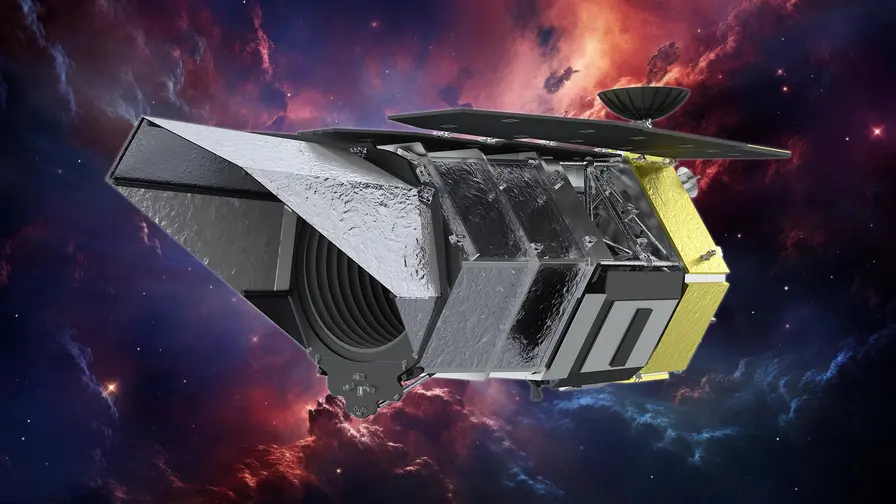
Read MoreNora Schmidt2026-09-284Roman Telescope Switches On Its 300-Megapixel CameraNASA's Nancy Grace Roman Space Telescope has powered up its 300-megapixel Wide Field Instrument and completed early coronagraph checks, beginning months of commissioning on the road to L2 and first science images by early 2027.
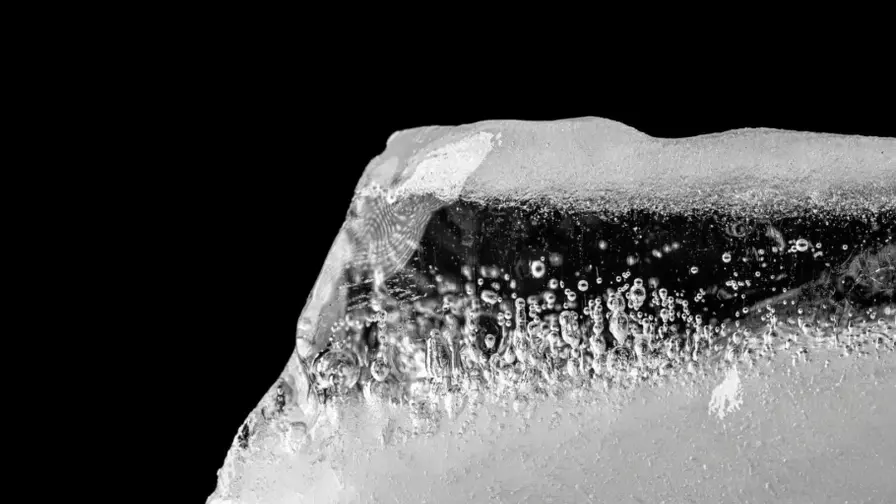
Read MoreOliver Hayes2026-09-282BioPykrete: Ice That Behaves Like Concrete in the PolesScientists have engineered BioPykrete: ice reinforced with cellulose nanocrystals and a designed protein. The material is roughly 10 times stronger and absorbs 70 times more energy than plain ice, offering potential for polar construction.
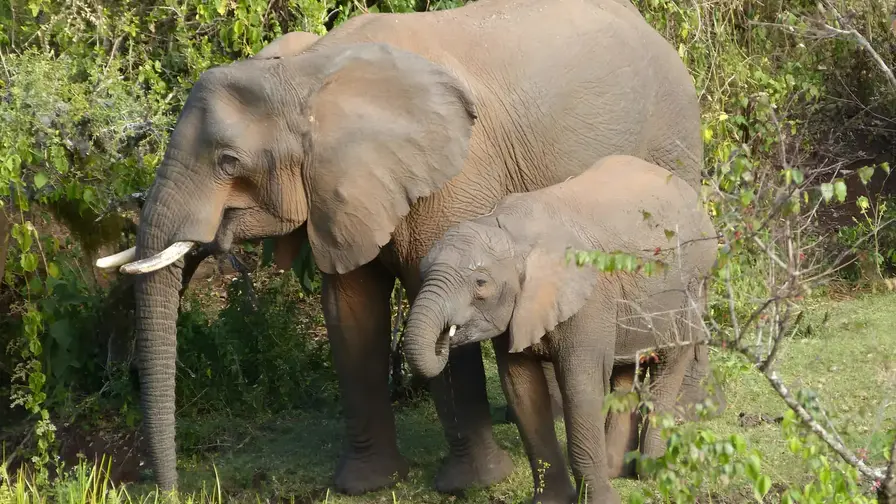
Read MoreNora Schmidt2026-09-282Why African Elephants Use Medicinal Plants and MilkFieldwork near Mount Elgon shows African elephants seek specific medicinal plants and minerals—and sometimes mix them with milk to treat calves—highlighting links between animal behavior, traditional knowledge, and conservation.
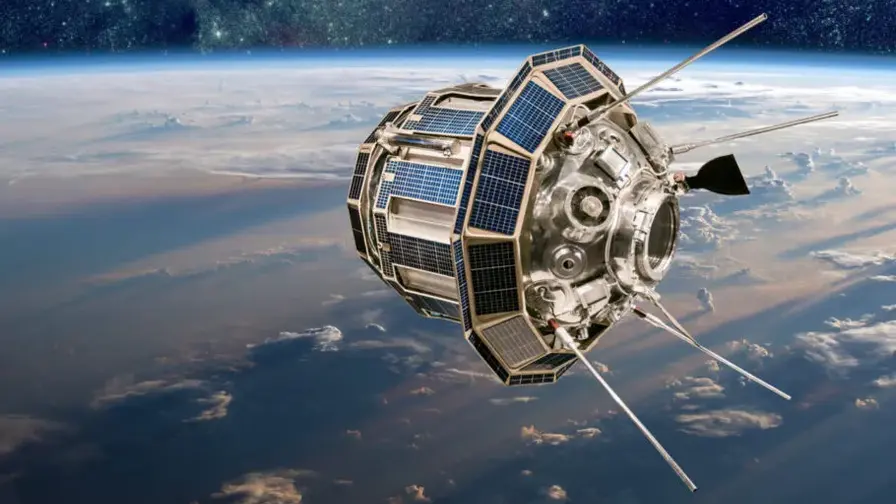
Read MoreNora Schmidt2026-09-282First Quantum Computer Runs Onboard an Earth SatelliteA photonic quantum processor on a satellite produced a clear Hong-Ou-Mandel interference signature in low Earth orbit, validating quantum effects in space and pointing to future on-board quantum processing.
Read MoreNora Schmidt2026-09-272Sugar in Early Life Could Raise Anxiety Risk in AdultsA University of Surrey study links reduced sugar exposure in the first 1,000 days to lower adult anxiety risk. Historical sugar rationing shaped taste preferences and long-term mental health outcomes.
Read MoreOliver Hayes2026-09-272Ten-Minute Slow Jog Can Brighten Mood and Sharpen FocusA University of Tsukuba study finds 10 minutes of very slow jogging can boost mood and modestly improve attention by activating the prefrontal cortex, with practical implications for accessible mental-health strategies.
Read MoreOliver Hayes2026-09-262Vitamin C Tied to Better Survival in Early Blood CancersA phase 2 randomized trial found fewer deaths among people with precancerous or low-risk blood disorders who took 1,000 mg daily vitamin C. The result is exploratory and needs phase 3 confirmation.