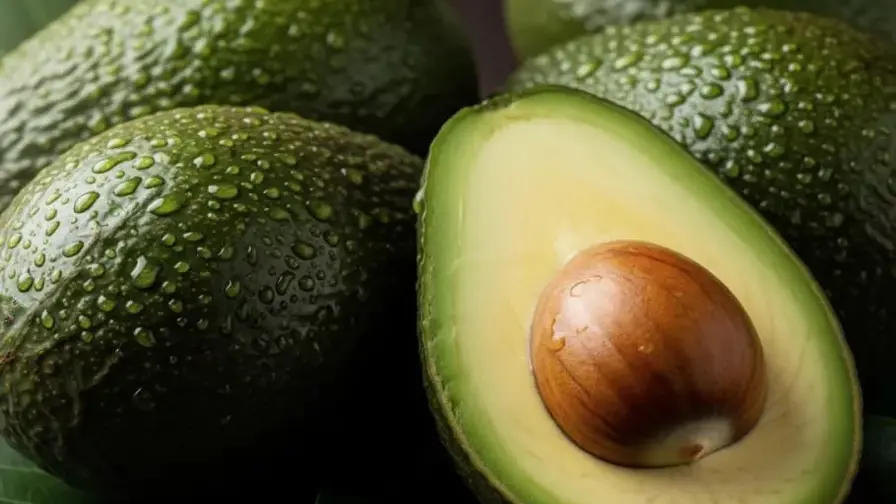
Read MoreOliver Hayes2026-08-04Eating One Avocado a Day May Cut Heart Disease RiskA Penn State led trial found that eating one avocado daily lowered LDL particle concentration in adults with obesity, equivalent to an estimated 4 percent reduction in heart disease risk.
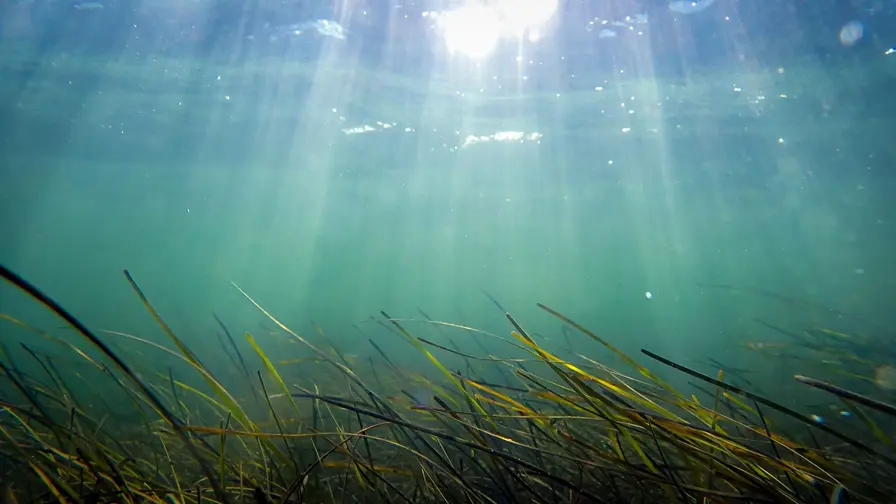
Read MoreOliver Hayes2026-08-03Hidden Heat: How Marine Heatwaves Mask Long WarmingNew analysis shows marine heatwaves often sit within longer warming episodes. Researchers from William & Mary propose a cumulative-heat metric that reveals far more thermal exposure and raises ecological risk estimates.
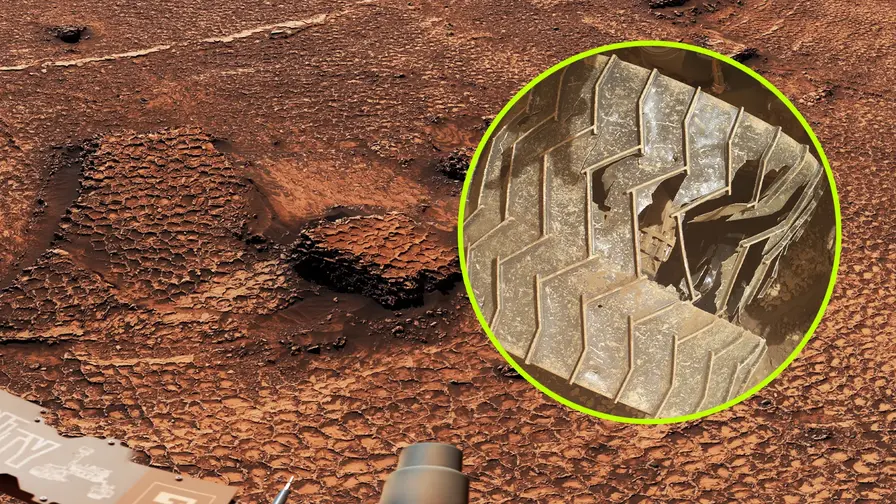
Read MoreOliver Hayes2026-08-03Curiosity Finds a Vast Honeycomb of Martian PolygonsCuriosity photographed a wide field of honeycomb-like polygons in Valle Grande, Mars. Scientists are analyzing shapes and chemistry to learn whether drying mud, freeze-thaw cycles, or compression shaped this landscape.
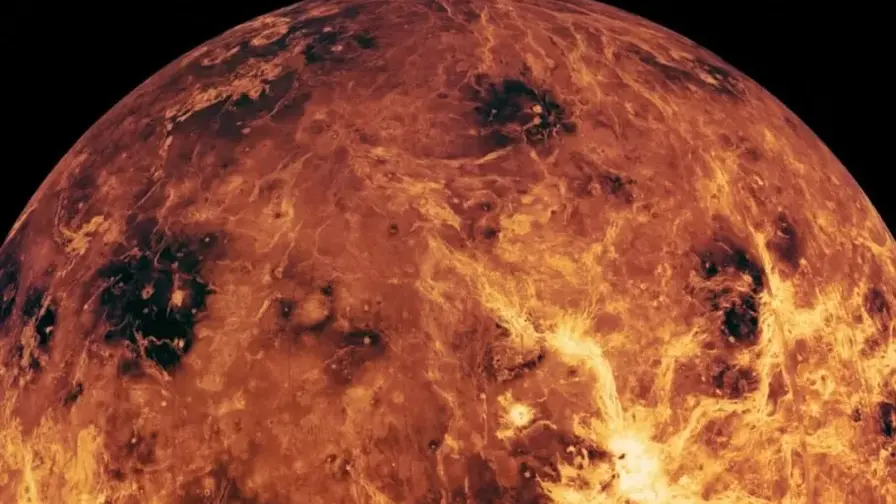
Read MoreNora Schmidt2026-08-03Ancient Oceans Covered Ninety Percent of Venus's SurfaceReanalysis of Magellan radar data suggests Venus may once have been covered by oceans across roughly 90% of its surface. New geological interpretations point to marine sediments, giant submarine channels, and evaporite layers.
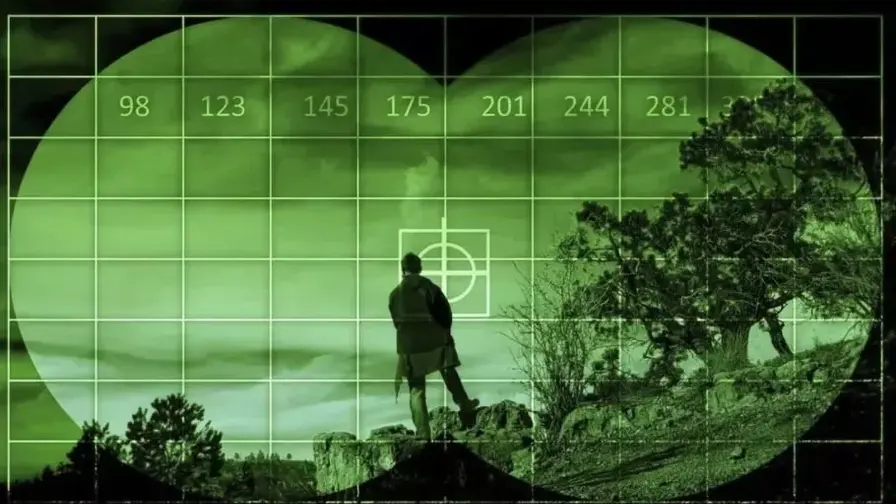
Read MoreOliver Hayes2026-08-03How Quantum Dots and OLEDs Give Night Vision Real ColorScientists built a lightweight prototype using mercury telluride quantum dots and a two-layer OLED to convert infrared into full-color images. The semi-transparent glasses reveal simultaneous normal and IR-enhanced vision, with implications for prosthetics and sensing.
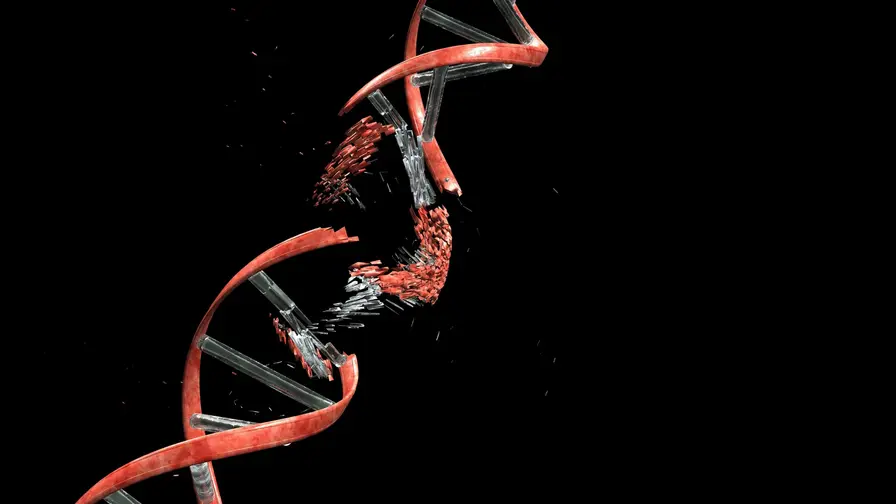
Read MoreOliver Hayes2026-08-02How Tumors Shatter Their DNA to Fuel Aggressive GrowthNew research shows tumor cells push super-enhancers so hard that DNA breaks cluster at those sites; repeated repair introduces mutations that may drive cancer evolution and reveal treatment targets.
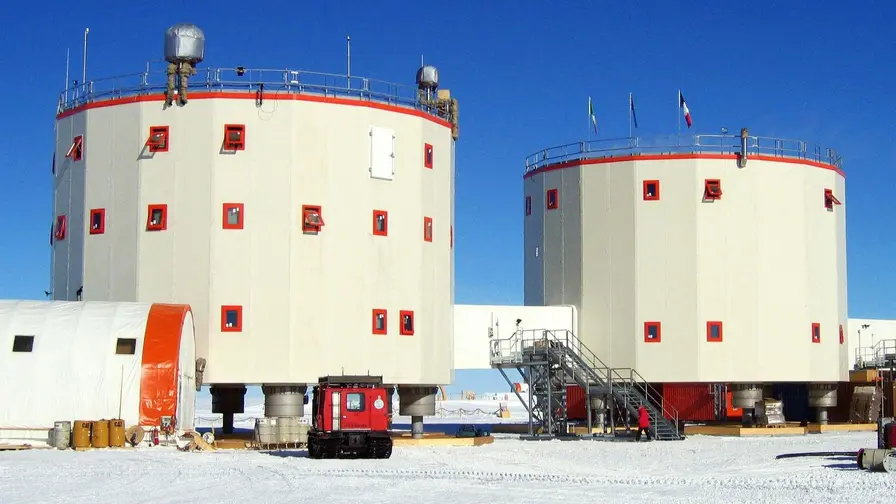
Read MoreNora Schmidt2026-08-02Concordia Records -84.1°C Amid Global Warming SignalsConcordia Station in East Antarctica recorded minus 84.1°C, the coldest reading since 2012. This article explains the atmospheric mechanics, research uses, and why extreme polar cold coexists with global warming.
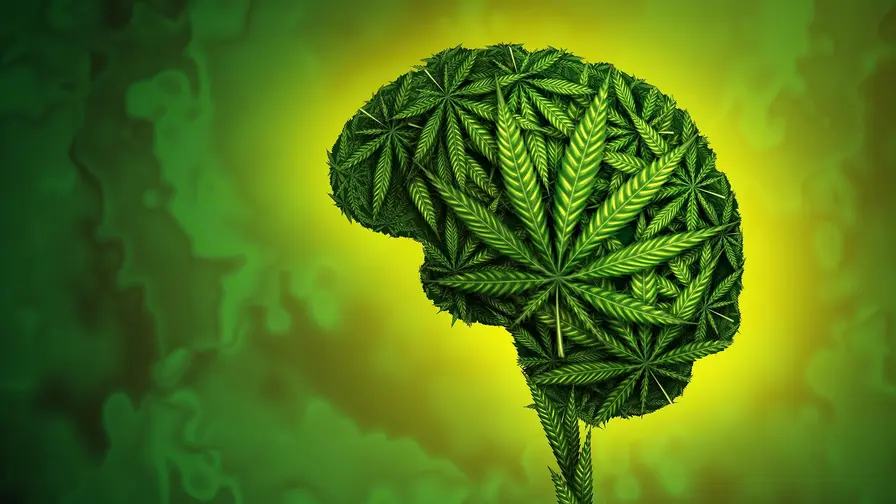
Read MoreNora Schmidt2026-08-02Frequent Cannabis Use Linked to Higher Morning CortisolA study from Oregon State University found frequent cannabis users often start the day with higher cortisol levels, suggesting possible disruption to the HPA axis and daily stress rhythms. Longitudinal research is needed.
Read MoreNora Schmidt2026-08-01The Hidden Giant: Beta Pictoris d Revealed After 11 YearsAstronomers have identified Beta Pictoris d, a faint gas giant hidden for 11 years inside the well-studied Beta Pictoris system. Confirmed by VLT and JWST data, the planet offers new insights into young planetary systems and debris disc dynamics.
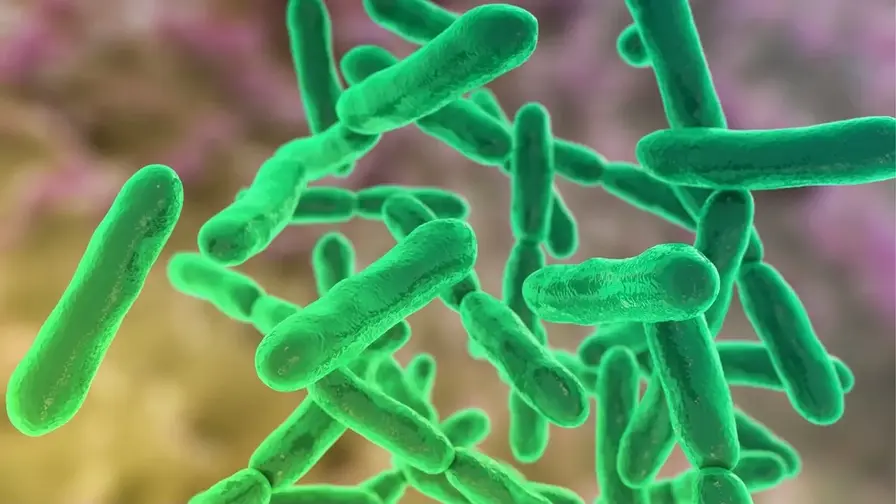
Read MoreNora Schmidt2026-08-01Engineered Gut Bacteria Reprogram Pancreatic TumorsEngineered Bifidobacterium longum carrying a redesigned IL-2, called BifidoSumIL-2, accumulates in low-oxygen pancreatic tumor regions, stimulates CD8+ T cells, slows tumor growth in animals, and enhances standard therapies.
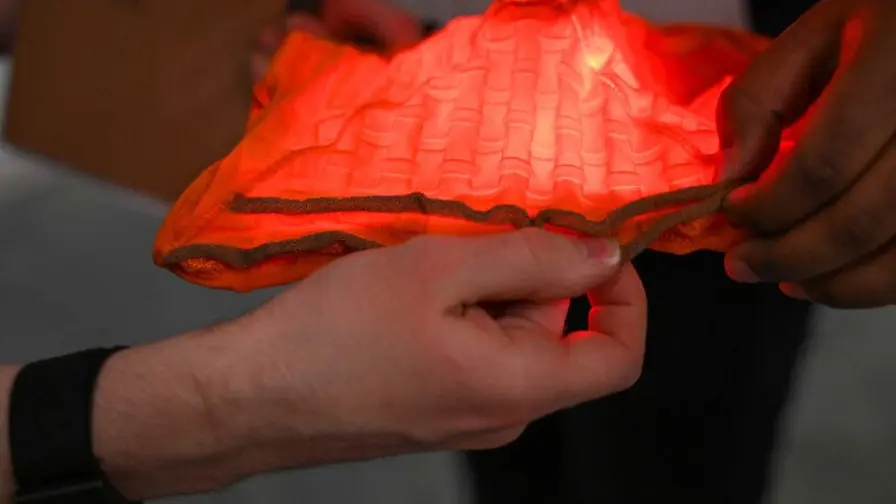
Read MoreNora Schmidt2026-08-01Knitted Fabrics That Snap: Programmable Textile SwitchesHarvard engineers turned machine-knitted fabric into programmable, multistable devices: snap-through textiles that act as mechanical switches, sensors, and reconfigurable lampshades using conductive yarn and standard knitting machines.
Read MoreNora Schmidt2026-08-01Rapamycin Rapidly Reverses Autism-Like Traits in Adult MiceA UCLA study found a single dose of rapamycin briefly reversed autism-like brain activity and behaviors in adult mice exposed to prenatal inflammation, revealing a rapid functional reset of neural circuits.
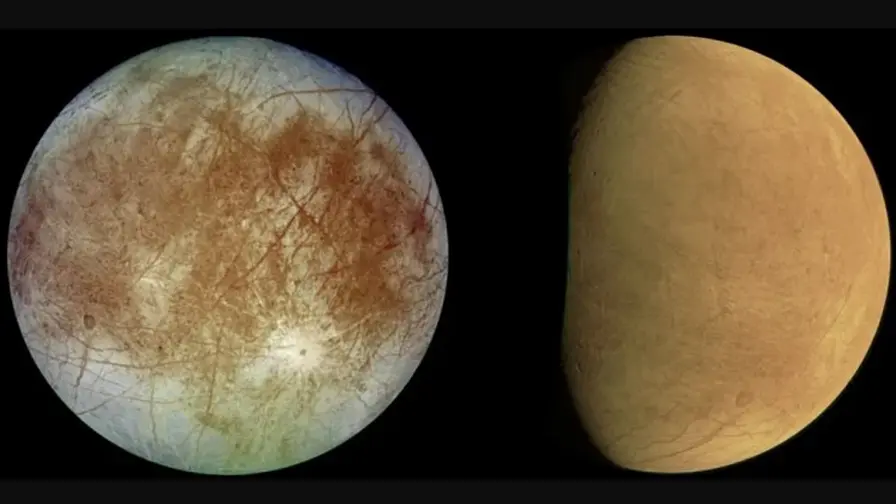
Read MoreOliver Hayes2026-07-31Why Europas Hidden Ocean May Be Locked Under Thick IceNew simulations indicate Europa's icy shell may rapidly freeze upward-moving ocean water, sealing fractures and complicating efforts to sample the subsurface ocean. Upcoming missions will test these findings.
Read MoreOliver Hayes2026-07-313Earth Could Face Twice the Damage from Extreme Solar StormsNew analysis suggests Earth's magnetic response to extreme solar storms may be up to twice as large as thought, increasing risks to satellites, power grids, and navigation systems and calling for revised planning.
Read MoreOliver Hayes2026-07-313A Molecule That Recharges Aging Muscles’ Repair SignalResearchers found that lipoic acid trisulfide (LASSS) can protect and enhance HGF, the muscle repair signal, resisting nitration and boosting receptor binding. Early mouse tests suggest a new way to treat muscle decline.
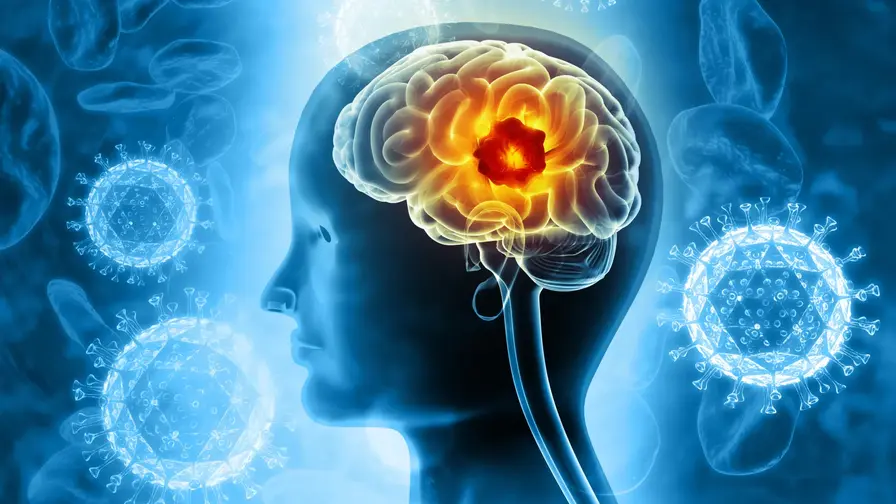
Read MoreNora Schmidt2026-07-312Ultrasound and MicroRNAs Break Into Brain Tumors NowResearchers at the University of Virginia combine focused ultrasound, microbubbles, and nanoparticles to deliver microRNAs across the blood brain barrier. Early animal tests show slowed glioblastoma growth and improved survival, pointing to a new delivery platform for brain cancer therapies.
Read MoreOliver Hayes2026-07-302Light-Steered Electron Beams Open New Routes in ChipsTwo-color lasers steer a narrow electron beam through a semiconductor without applied voltage. University of Michigan researchers demonstrate light-controlled photocurrents via quantum interference, opening paths for optoelectronic routing and sensors.
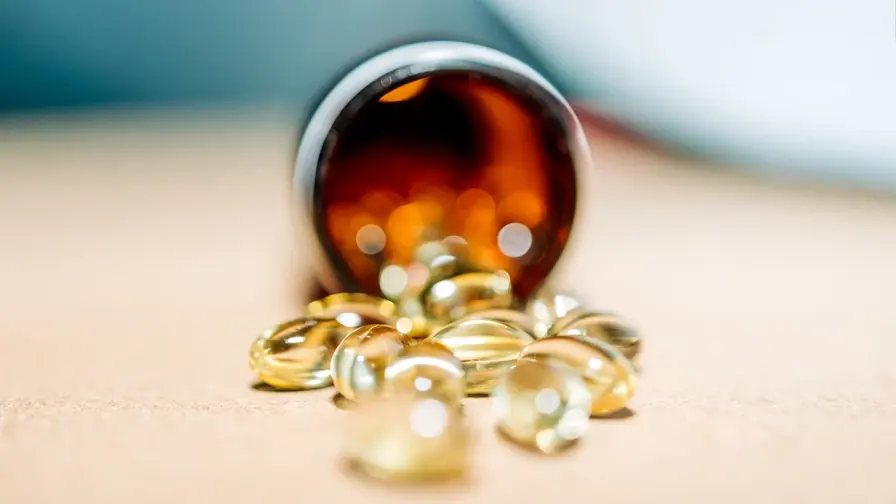
Read MoreOliver Hayes2026-07-302Midlife Vitamin D Could Protect Drivers' Brains LaterNew analysis of the Framingham Heart Study links higher midlife vitamin D to lower later-life tau protein deposits, hinting at a midlife window to protect cognitive health—relevant to drivers, fleet managers, and road safety.
Read MoreNora Schmidt2026-07-302Slow Exhales Can Make You Take Bigger Financial RisksA Berlin study finds that a slow, prolonged exhale can increase willingness to accept risky gambles by amplifying how the brain values rewards. Small sample, lab setting, but the result reframes slow-breathing as a tool that can tilt decisions.
Read MoreNora Schmidt2026-07-302Early Screen Habits and How They Shape Later LearningA longitudinal study links greater screen viewing in infancy and around school entry to slightly lower academic performance and weaker working memory. Timing and total exposure may influence cognitive development.