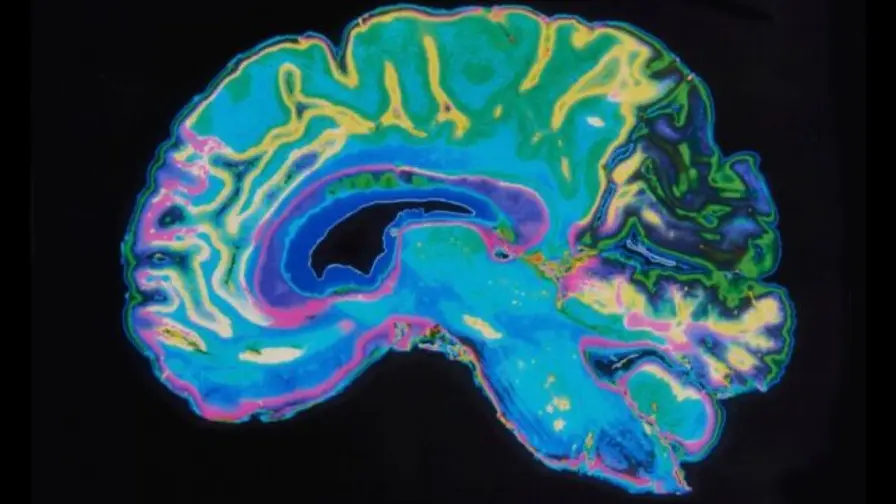
Read MoreOliver Hayes2026-09-202Menopause May Pause Age-Related Gray Matter Loss TemporarilyLongitudinal MRI scans of over 1,000 people suggest that the transition to menopause coincides with a temporary slowing of age-related cortical gray matter loss, a finding that raises questions about hormones and brain plasticity.
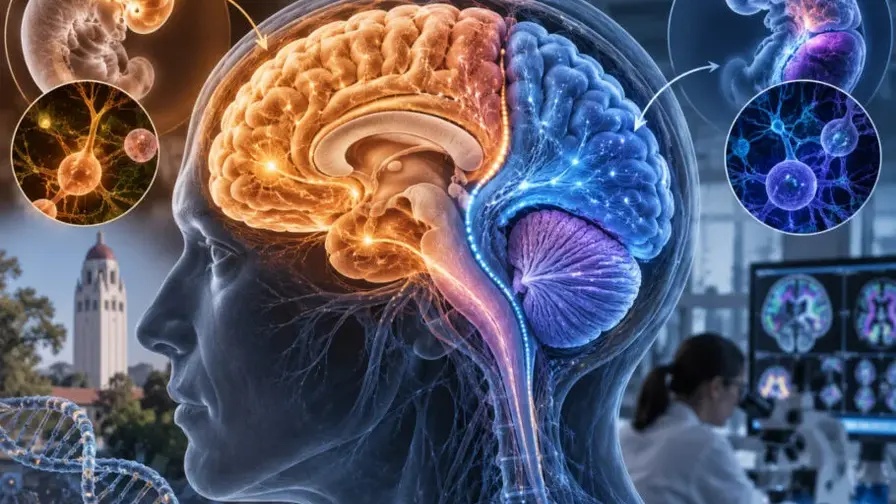
Read MoreNora Schmidt2026-09-202How the Human Brain Grew from Two Ancient Neural SystemsStanford researchers discovered that the human brain develops from two separate cellular systems. This ancient split explains lab difficulties with hindbrain stem cells and opens new avenues for ALS and SMA research.
Read MoreNora Schmidt2026-09-192Why Red, Yellow, Green and Blue Stand Apart in VisionUC Berkeley researchers used natural images and sparse coding to show why red, yellow, green and blue act as primary hues in human vision, explaining opponent pairs and implications for neuroscience and imaging.
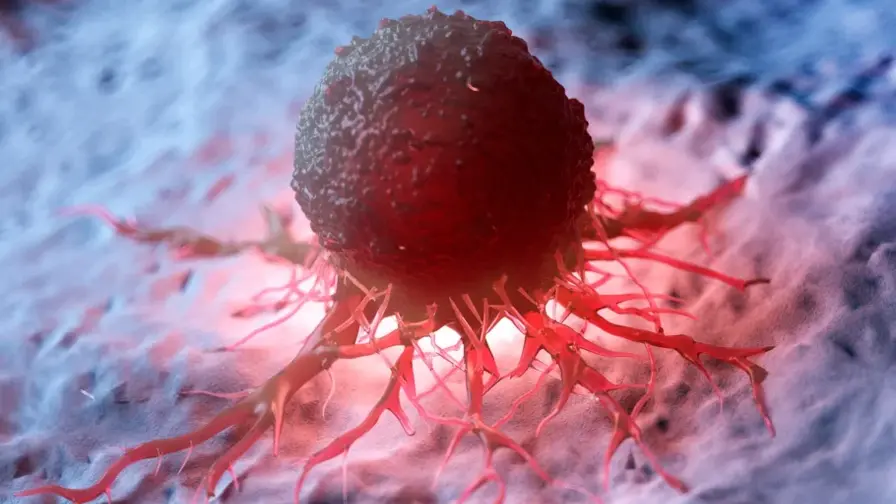
Read MoreNora Schmidt2026-09-192Smart Nanoparticles Reprogram Immune Cells to Fight CancerResearchers at the University of Adelaide engineered TREM2-targeted lipid nanoparticles that deliver mRNA for CXCL9 and the immune stimulant resiquimod to tumor-associated macrophages, reprogramming them to boost anti-tumor T cell responses in mice.
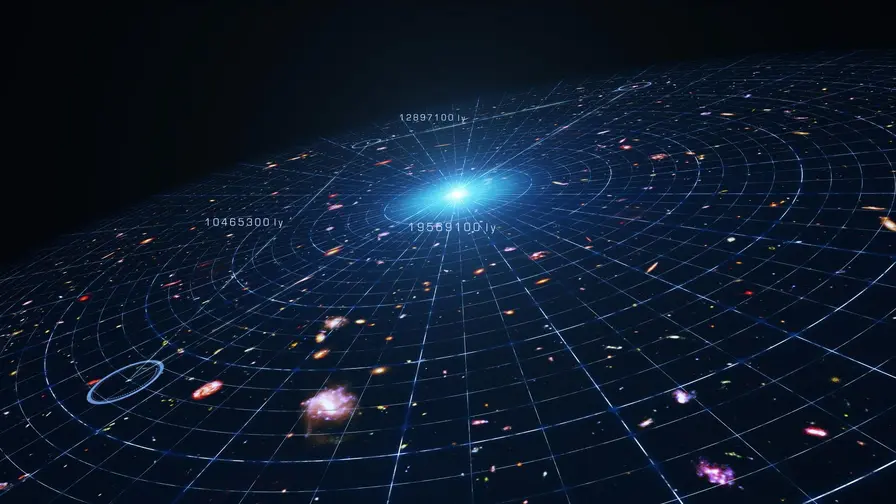
Read MoreNora Schmidt2026-09-183Faint Hydrogen Echoes Reveal New Cosmic CartographyMeerKAT detected faint neutral hydrogen emissions from 4-5 billion years ago, advancing hydrogen intensity mapping as a practical tool for 3D cosmic structure surveys and future SKAO projects.
Read MoreOliver Hayes2026-09-182Your Blood Could Predict How Well Vaccines Work for YouResearchers found that preexisting antibody patterns in blood can forecast an individual’s likely response to COVID-19 vaccination. Broad antibody fingerprints and AI models may guide personalized vaccine strategies.
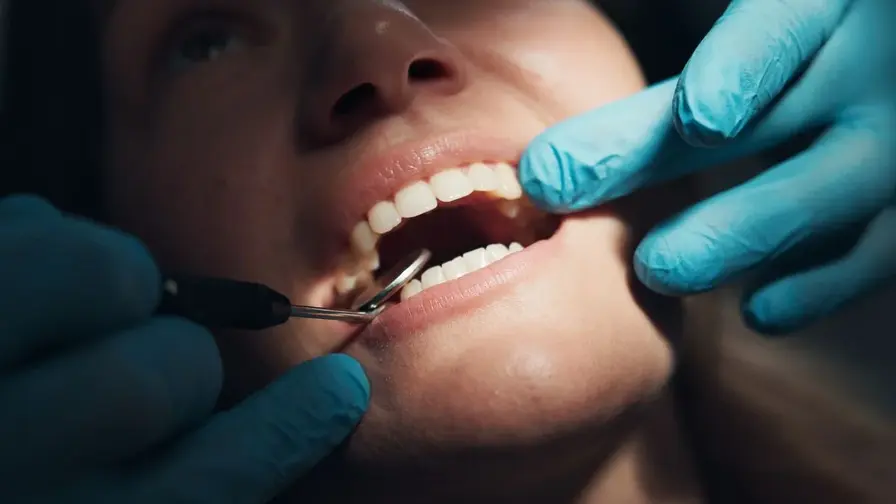
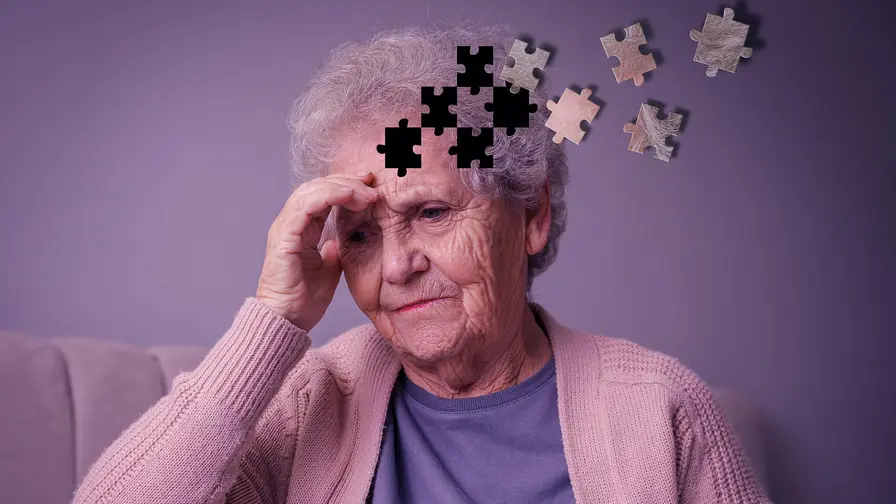
Read MoreOliver Hayes2026-09-172Bleeding Gums Linked to Higher Alzheimer's Risk, StudyA decade-long Japanese study finds links between bleeding or receding gums and higher dementia risk, including Alzheimer’s. The observational results point to inflammation and oral pathogens as possible mechanisms and underline the public health importance of periodontal care.
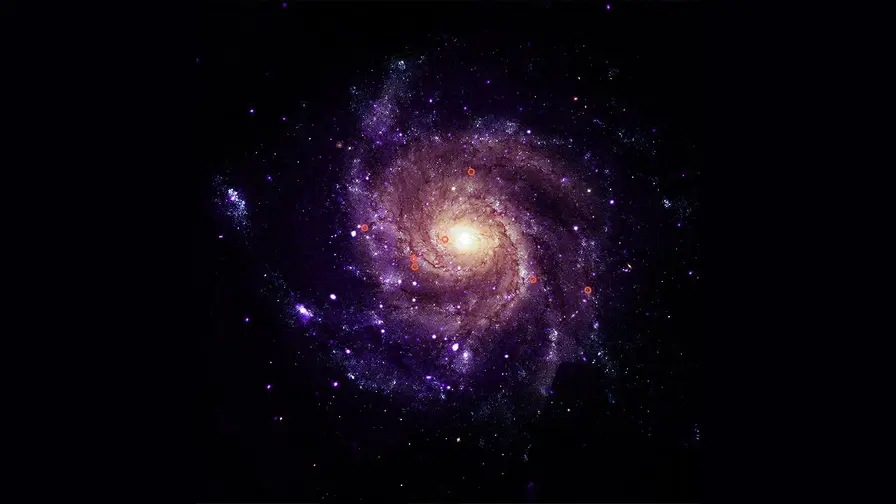
Read MoreOliver Hayes2026-09-172Hidden Hypersoft X-ray Sources Lighting Nearby GalaxiesAstronomers uncovered 84 hypersoft X-ray sources in nearby galaxies using Chandra data. Their extreme-ultraviolet-dominated emission may hide accreting white dwarfs, novae, neutron stars, or black holes and could shed light on Type Ia progenitors.
Read MoreNora Schmidt2026-09-173Low-Dose BPA Tied to Short-Term Insulin Sensitivity DropA randomized human trial finds that five days of low-dose BPA exposure reduced peripheral insulin sensitivity by about 9 percent, raising questions about the safety of current regulatory thresholds and the chemical's role in metabolic health.
Read MoreOliver Hayes2026-09-162Enough Night Light Can Stiffen the Heart, Study FindsA large UK Biobank study found that modest nighttime light exposure correlates with structural changes in the heart, including wall thickening and reduced flexibility. Simple, low-cost fixes could reduce risk.
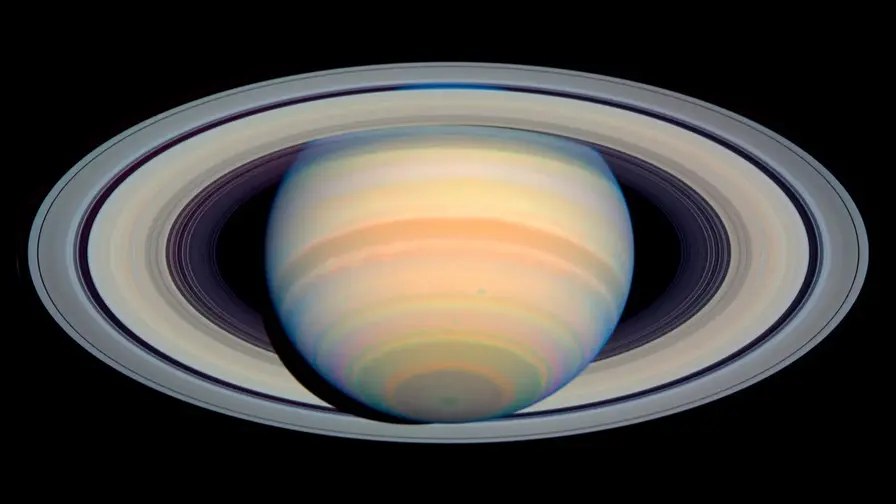
Read MoreOliver Hayes2026-09-163Saturn's New Ten-Sided Wave Encircles the South PoleHubble images reveal a ten-sided atmospheric wave forming at Saturn’s south pole. Scientists trace its emergence, compare it with the northern hexagon, and plan Hubble and Webb follow-ups and modeling.
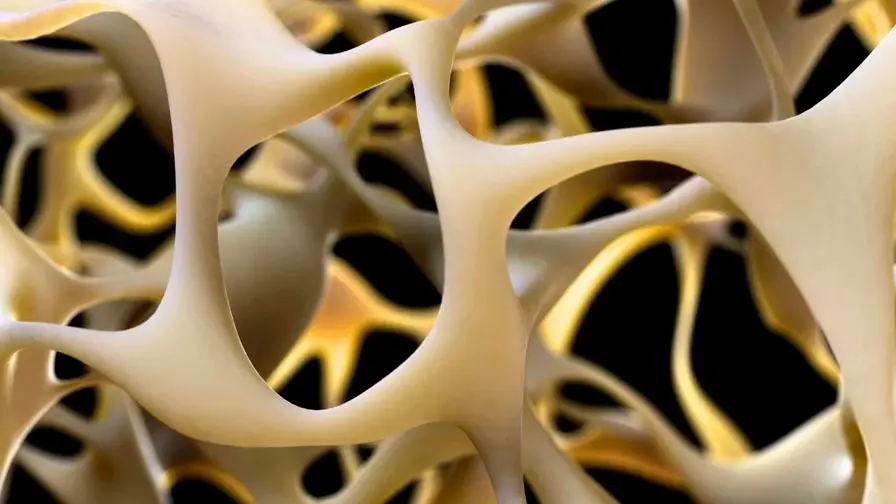
Read MoreNora Schmidt2026-09-163Edited Stem Cells Rebuild Bone in Advanced OsteoporosisA Phase 1 trial used patients' own mesenchymal stem cells, edited to restore a homing sugar, to promote trabecular bone repair. Results show safety and a 94 percent drop in fragility fractures in ten women.
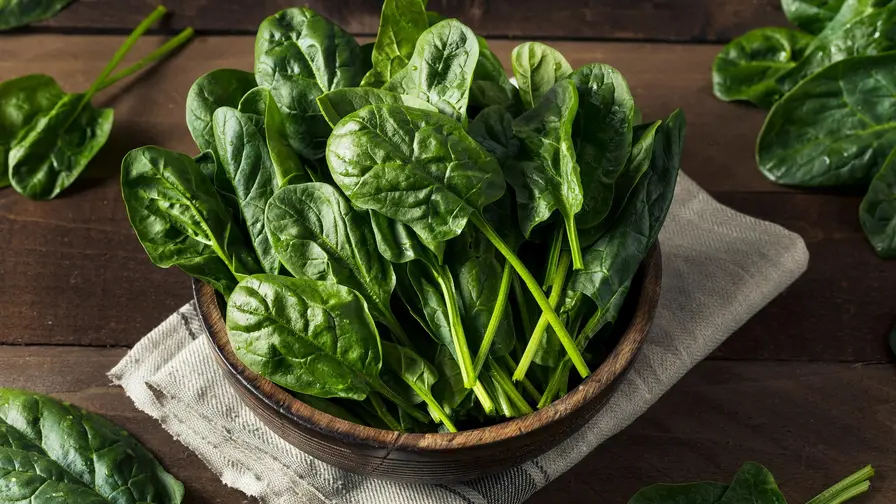
Read MoreNora Schmidt2026-09-153How Oxalate in Everyday Vegetables May Worsen IBD SymptomsNew research links oxalate, a compound abundant in spinach and almonds, to worsened inflammation in Crohn's disease and ulcerative colitis, suggesting transporter defects and microbiome loss as key factors.
Read MoreNora Schmidt2026-09-152Why New Analysis Confirms the Universe Is Still AcceleratingA multinational team rebuts a recent claim that cosmic expansion is slowing, showing calibration errors in the contested study and reaffirming that dark energy still best explains the universe's accelerating expansion.
Read MoreOliver Hayes2026-09-152Engineered Yeast and Gelatin: Building Mars HabitatsResearchers propose using engineered yeast, gelatin hydrogels, and Martian regolith to 3D print freeze-dried foam habitats that are strong, energy-efficient, and potentially recyclable for future Mars missions.
Read MoreOliver Hayes2026-09-143How Heated Molten Salts Turn Polyethylene Waste into FuelOak Ridge researchers used molten aluminum-containing salts to convert polyethylene into gasoline- and diesel-like fuels below 200°C, avoiding noble metals and external hydrogen while raising scale-up questions.
Read MoreNora Schmidt2026-09-142Widely Used Osteoporosis Drugs Linked to Lower Dementia RiskA large Hong Kong study finds that nitrogen-containing bisphosphonates, common osteoporosis drugs, are linked to lower Alzheimer’s and dementia risk in older adults. Findings prompt calls for trials.
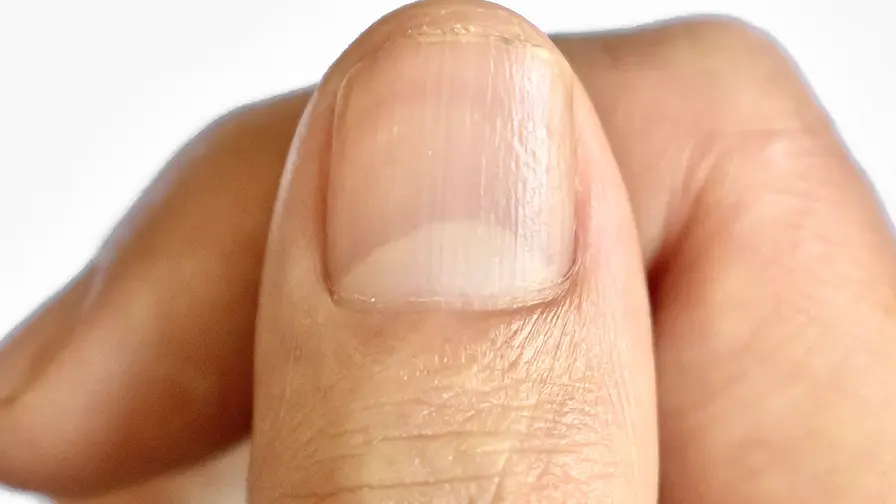
Read MoreNora Schmidt2026-09-142Why a Tiny Red Crescent on Your Nail Can Signal DiseaseRed crescents at the base of fingernails—lunulae—can signal underlying health problems from heart and liver disease to autoimmune disorders. A Rutgers review urges clinicians to check the sign and follow up with targeted tests.
Read MoreNora Schmidt2026-09-133Children of Centenarians Live Longer, Healthier LivesA pooled analysis of three large studies finds that adults with a centenarian parent have lower risks of death, cardiovascular disease, and hypertension, suggesting inherited factors that delay some age-related illnesses.
Read MoreNora Schmidt2026-09-132Even Dim Light in Bedrooms Is Linked to Heart DamageA new large-scale study finds that even low levels of nighttime light—like phone screens or moonlight—are associated with structural changes in the heart. Simple bedroom-darkening steps may reduce long-term cardiovascular risk.