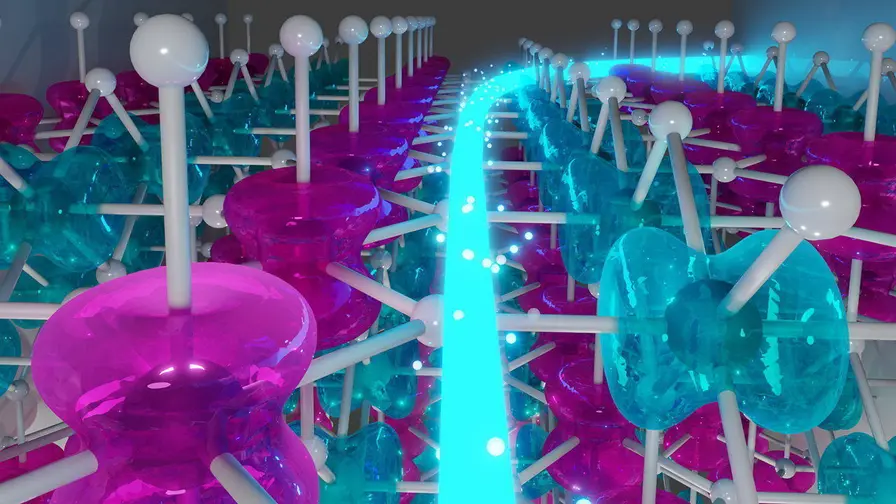
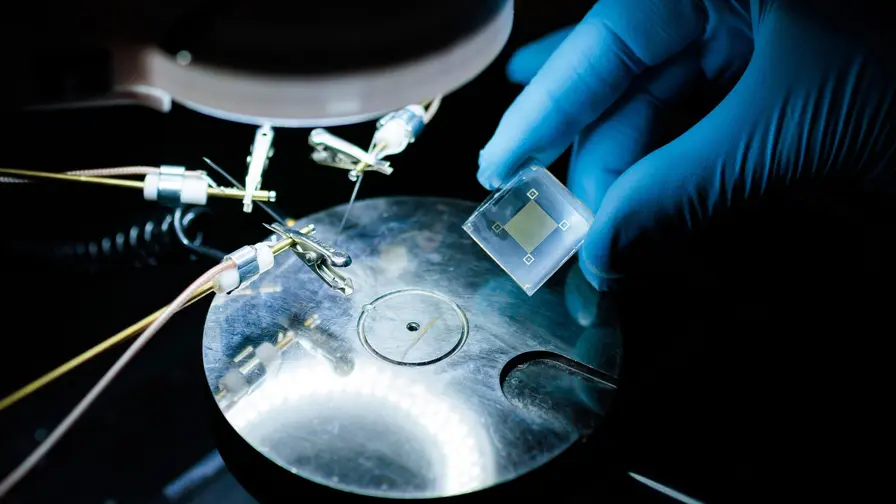
Read MoreOliver Hayes2026-07-223Cobalt-Aluminum Nanolaminate: Ten Times Stronger Than SteelPurdue researchers engineered a cobalt-aluminum nanolaminate with amorphous interfaces that reaches up to 6 GPa yield strength and over 15% plastic strain, combining extraordinary strength and ductility for turbine and aerospace use.
Read MoreAmir Gohari2026-07-21Why Artificial Intelligence May Never Think Like HumansPeter J. Denning argues that tacit, embodied, and cultural knowledge may prevent AI from ever thinking like humans. This article explains the representation problem, risks for alignment, and possible research paths.
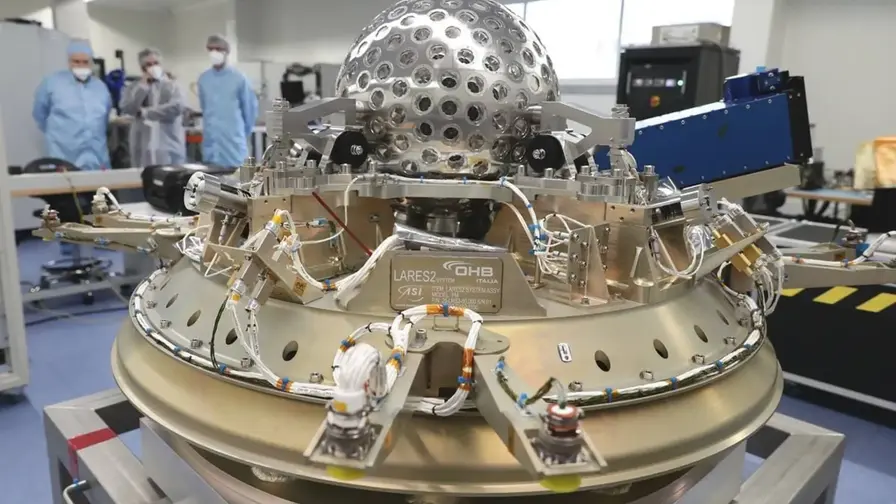
Read MoreOliver Hayes2026-07-203Earth's Spacetime Twist Measured to 0.2% by LARES-2LARES-2, a reflective spherical satellite, allowed scientists to measure Earth’s frame-dragging effect with 0.2 percent uncertainty, confirming Einstein’s prediction and tightening limits on alternative gravity theories.
Read MoreOliver Hayes2026-07-113A Tiny Chemical Trick That Could Shrink Future ChipsA Princeton-led simulation study shows that coating molybdenum disulfide with oxygen or fluorine makes plasma etching selective enough to remove just the top sulfur layer, widening the manufacturing window for future, smaller chips.
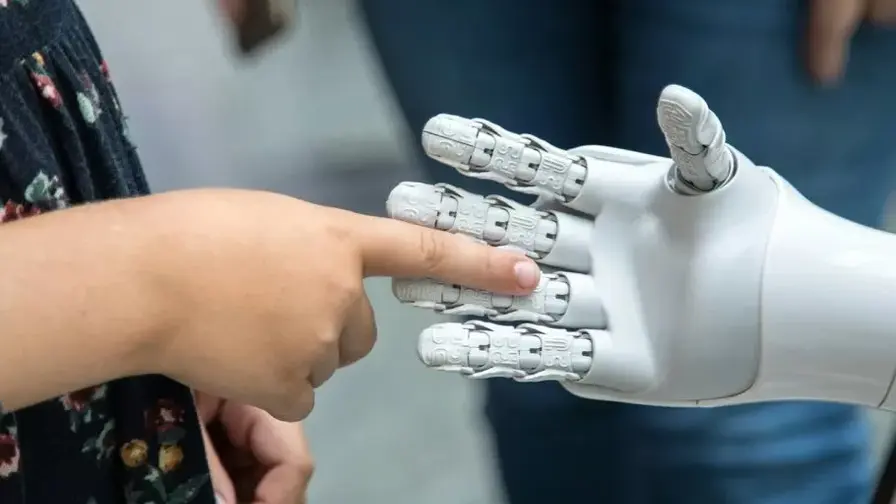
Read MoreNora Schmidt2026-07-072Robots Learn to Feel with Color-Shifting Tactile SkinQueen Mary University researchers turned touch into color, letting ordinary cameras detect pressure patterns on soft robotic skin. The method promises cheaper, faster tactile sensing for prosthetics, industry, and surgery.
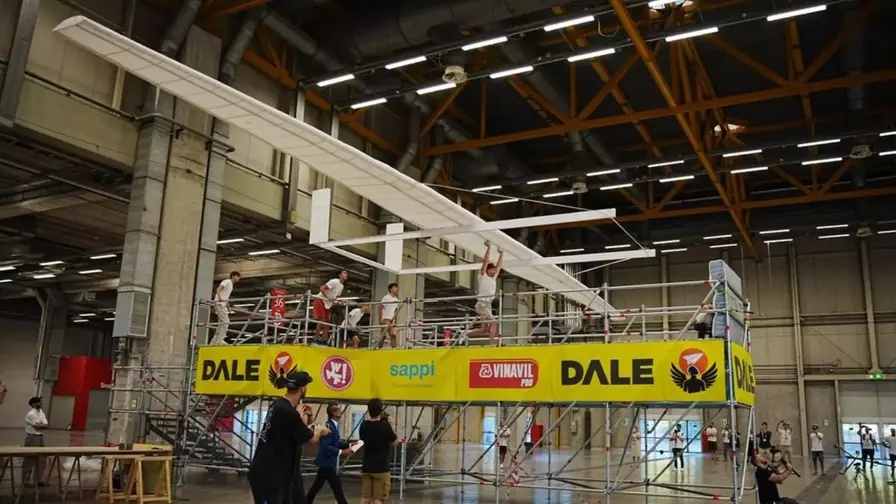
Read MoreNora Schmidt2026-07-062How Italian Students Built the World's Largest Paper PlaneUniversity of Pisa students set a new Guinness record with ICARUS, a 20 meter wingspan paper airplane that flew 59 meters. The project used aircraft engineering principles, honeycomb paper structures and extensive testing.
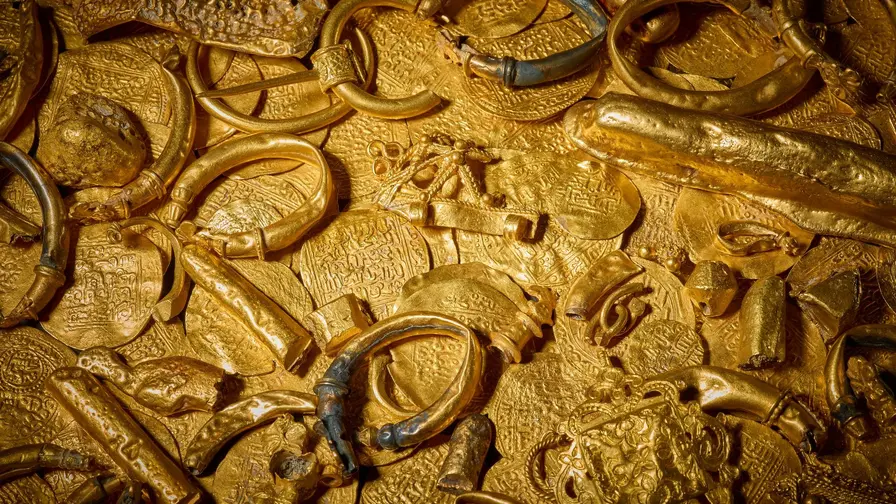
Read MoreOliver Hayes2026-07-053Dom van Keulen: Lost Dutch Ship Laden with Moroccan GoldA cache of 17th-century Moroccan gold linked a lost Dutch merchant ship to North African trade. Archaeology, coins and archives identify the wreck as the Dom van Keulen and illuminate early modern commerce.
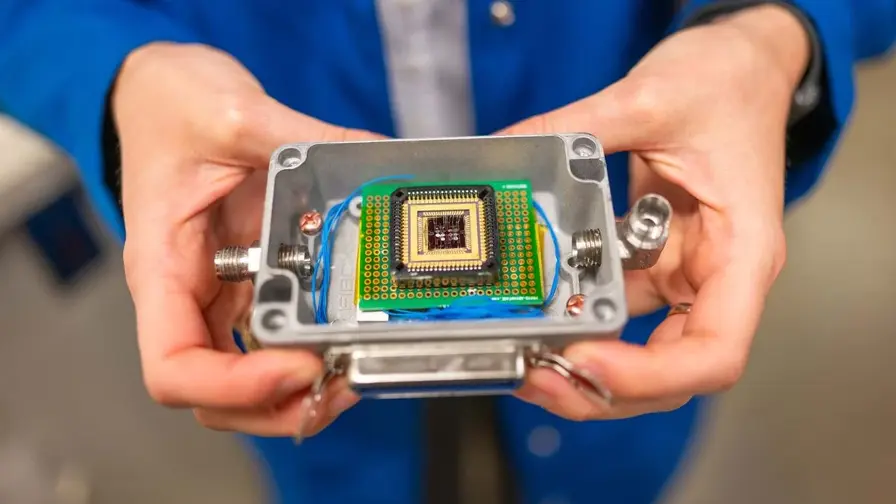
Read MoreNora Schmidt2026-07-052UC Berkeley's Electric Nose Could Transform Food SafetyUC Berkeley engineers built an 'electric nose' using 16 carbon-nanotube sensors and machine learning to detect spoiled food and trace allergens with about 93% accuracy; could power smart fridges and portable apps.
Read MoreNora Schmidt2026-07-023Diamond Quantum Sensor Could Reveal Altermagnets' SecretsA diamond-based quantum sensing method could reveal altermagnets, a newly identified class of magnetic materials that combine antiferromagnetic cancellation with ferromagnetic-like electronic behavior.
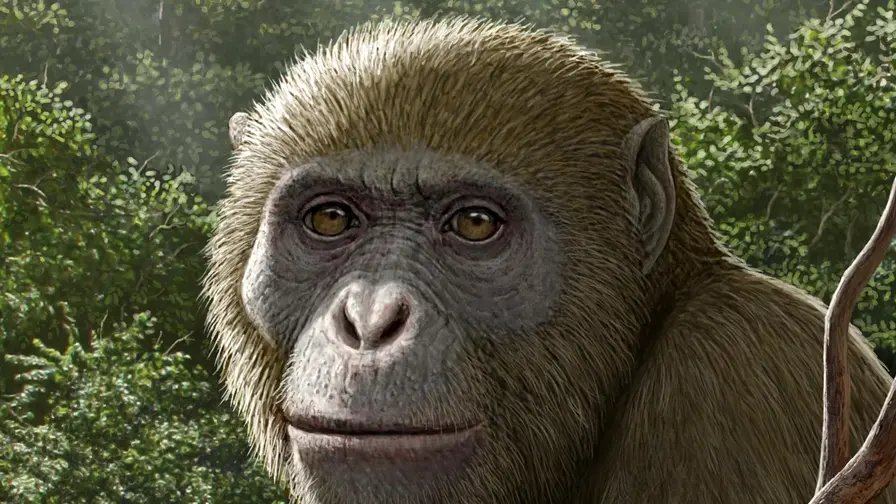
Read MoreNora Schmidt2026-07-013How a 17-Million-Year-Old Egyptian Ape Reshapes Ape OriginsA lower jaw found in Wadi Moghra reveals Masripithecus moghraensis, a 17–18 million-year-old ape from North Africa whose anatomy and placement challenge ideas about where modern apes originated and dispersed.
Read MoreOliver Hayes2026-06-292Electrochemical Bath Restores 95% of Lithium Battery CapacityCornell researchers developed an electrochemical bath that restores up to 95% of lithium-ion battery capacity by dissolving excess SEI layers on intact electrodes, cutting recycling costs and environmental impact.
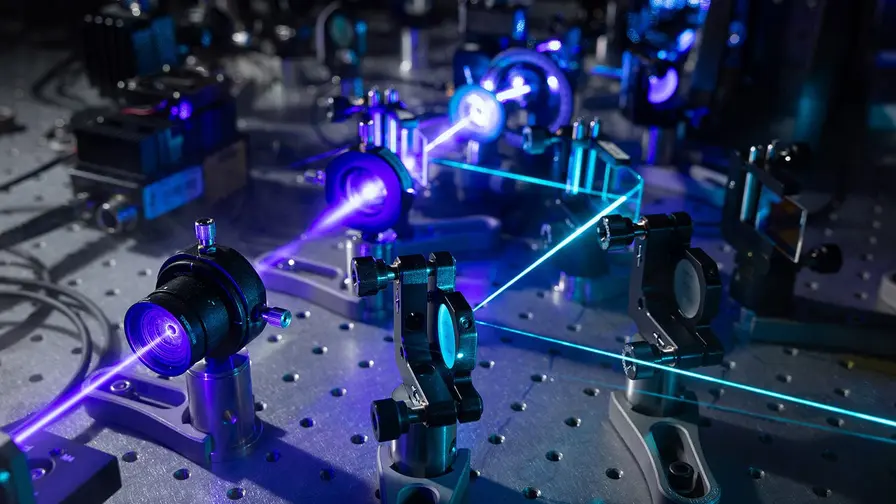
Read MoreNora Schmidt2026-06-273Sunlight Upconverted into UV: A Solid-State BreakthroughKyushu University researchers engineered a solid organic material that converts visible sunlight into UV via triplet-triplet annihilation, achieving 1.9% upconversion under natural sunlight and opening paths for solar-driven UV applications.
Read MoreNora Schmidt2026-06-273How a Stretchable AI Patch Lets Skin Act Like a DoctorResearchers at the University of Chicago and Argonne built a stretchable, skin-like AI patch that runs neuromorphic computing on the body, enabling millisecond cardiac mapping and accurate health-risk prediction.
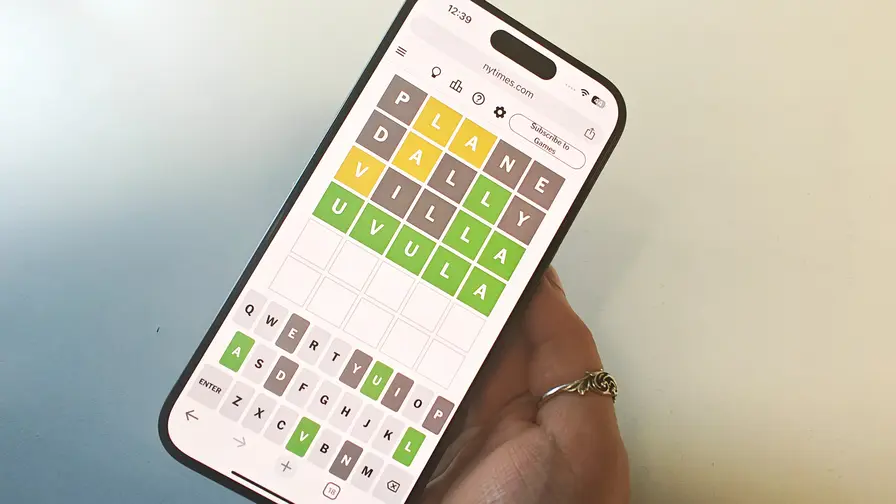
Read MoreNora Schmidt2026-06-272How Shannon Entropy Cracked 99% of Wordle Games WorldwideResearchers at Binghamton University applied Shannon entropy to Wordle, creating an entropy-first strategy that solved 99% of puzzles in simulations by selecting guesses that maximize expected information gain.
Read MoreOliver Hayes2026-06-162Finland's Sand Battery: 85% Efficiency and Big SavingsFinland's demonstration sand battery stored renewable heat with over 85% efficiency in its first year, cutting local heating emissions by about 70% and eliminating oil use—showing a practical path for decarbonising district heating.
Read MoreNora Schmidt2026-06-102Molecular Water Armor: Fabrics That Clean with WaterScientists developed an ultrathin polymer coating that organizes water into a 'molecular armor' on fabrics, allowing common stains to wash away with plain water and cutting laundry water and energy by over 82 percent.
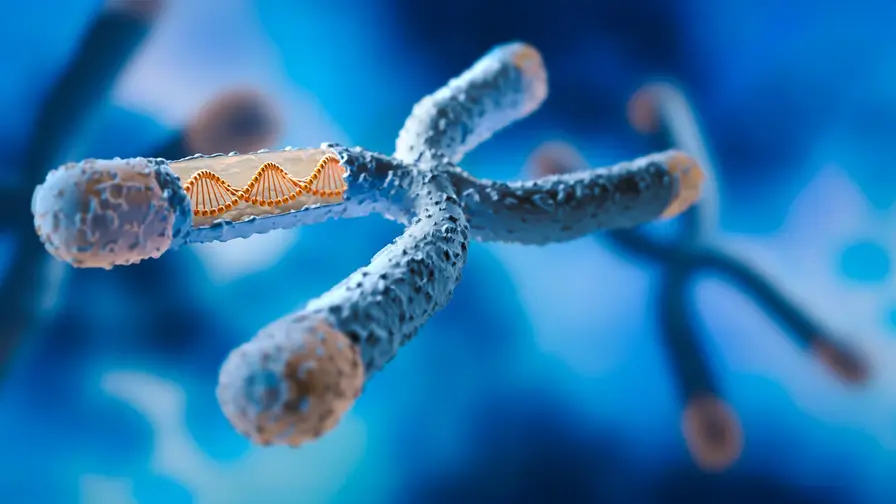
Read MoreOliver Hayes2026-06-082Single DNA Letter Rewires Sex in Mice: Regulatory SwitchA tiny change — a single DNA base in a non-coding enhancer called Enh13 — can flip sexual development in mice by unleashing Sox9. The study highlights regulatory DNA's role in sex determination and implications for DSD diagnostics.
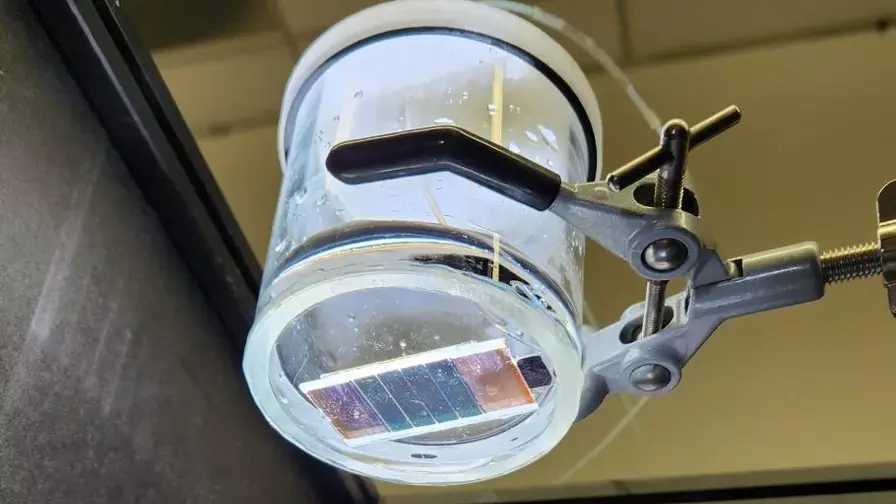
Read MoreNora Schmidt2026-06-072Yale's Artificial Leaf Turns Airborne CO2 into MethanolYale scientists built an artificial leaf that uses only sunlight, water, and air to convert CO2 into methanol. The system uses a six-electron catalyst and a silicon photoelectrode to achieve record efficiency for solar-driven methanol production.
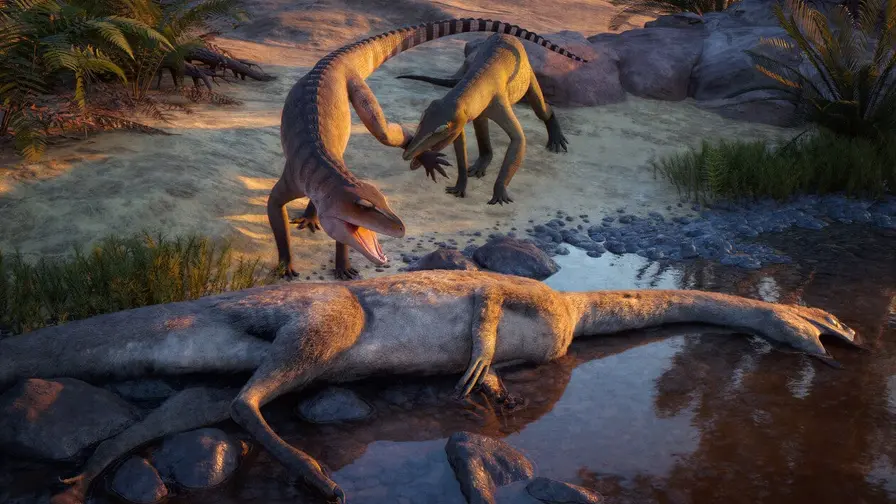
Read MoreNora Schmidt2026-06-022210-Million-Year-Old Croc Relative Discovered in New MexicoA new crocodile relative, Eosphorosuchus lacrimosa, has been identified from a 210-million-year-old Ghost Ranch fossil. CT scans reveal a short-snouted predator that coexisted with Hesperosuchus, shedding light on early croc diversification.
Read MoreOliver Hayes2026-06-013Stanford's New iISM Microscope Reveals Living CellsStanford researchers combined interferometric scattering and image-scanning techniques to create iISM, a label-free microscope that images living cells at ~120 nm resolution with lower illumination, enabling longer, gentler live-cell observation.