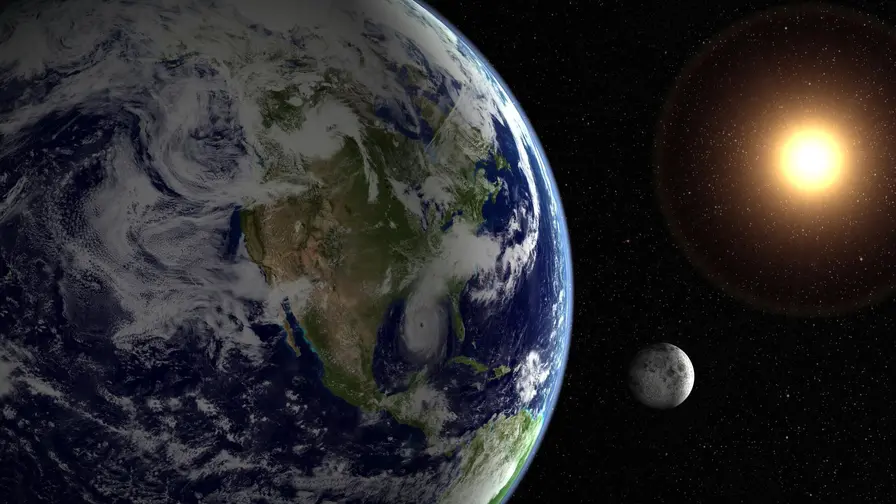
Read MoreOliver Hayes2026-07-142How Earth Might Escape the Sun's Red Giant Embrace and SurviveNew models suggest Earth could be pushed outward as the Sun becomes a red giant, escaping direct engulfment. Fate depends on a competition between tidal drag and stellar mass loss.
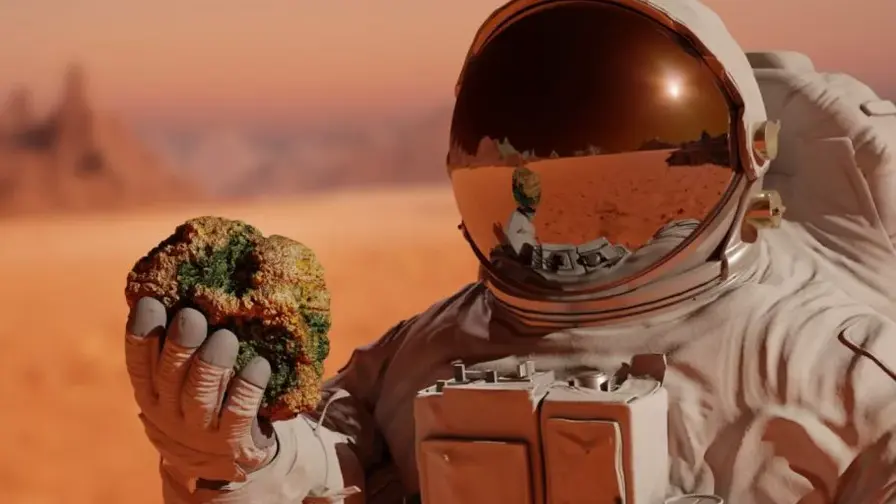
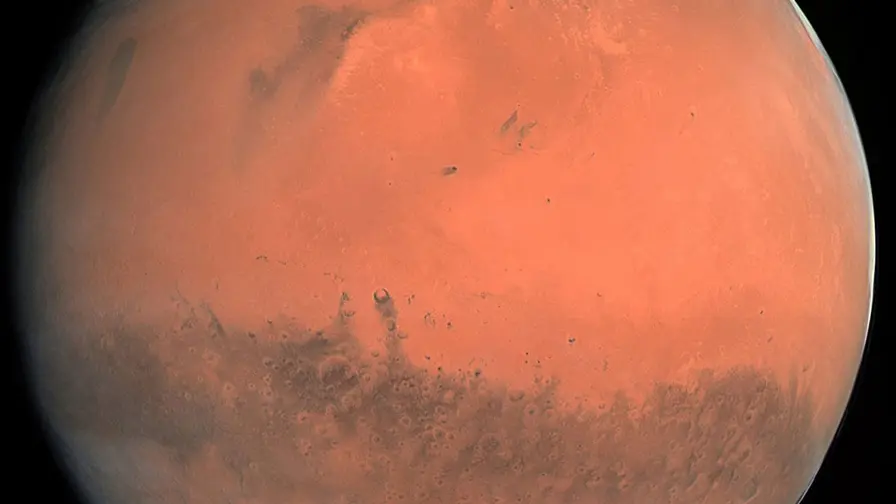
Read MoreNora Schmidt2026-07-142NASA Wants Four Volunteers to Spend a Year in Mars HabitatNASA is recruiting four people to live for a year in a Mars-like habitat at Johnson Space Center to study long-duration isolation effects, train operations and refine technology for future Moon and Mars missions.
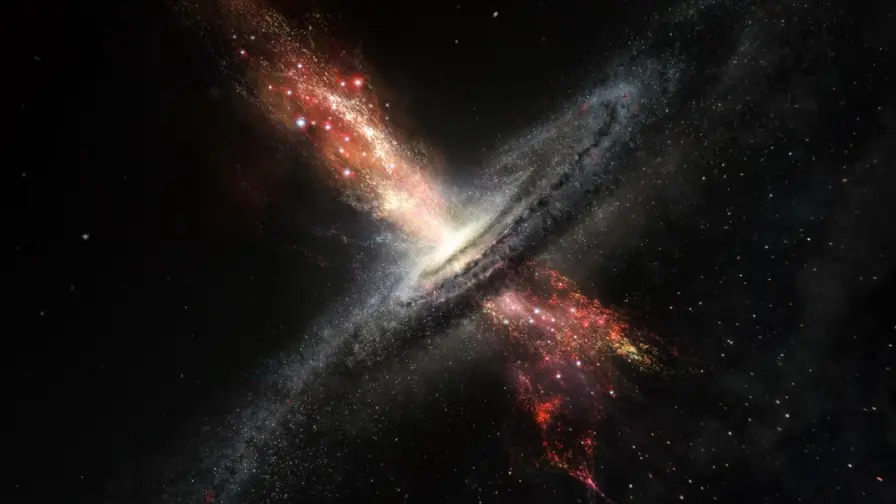
Read MoreNora Schmidt2026-07-133How Ancient Quasars Reveal Our Universe’s First GiantsEuclid has revealed 31 quasars from the universe's first 700 million years, including the two earliest known at redshifts 7.69 and 7.77. These findings challenge models of rapid supermassive black hole growth and open new follow-up opportunities with JWST and ALMA.
Read MoreOliver Hayes2026-07-112Why the Milky Way’s Gamma-Ray Glow Keeps Dark Matter AliveA new machine-learning analysis that includes photon energies reopens the debate over the Milky Way’s gamma-ray glow, keeping dark matter a viable explanation and challenging pulsar-based models.
Read MoreNora Schmidt2026-07-113Tiny Shoe-Box Satellites Could Expose Orbital Nuclear ArmsResearchers propose using shoebox-sized satellites with neutron detectors to identify hidden nuclear warheads in Earth orbit, offering a non-intrusive verification method to bolster the Outer Space Treaty and space security.
Read MoreNora Schmidt2026-07-093Meteorite Tests Sharpen Rosalind Franklin’s SearchLaboratory tests on the Murchison meteorite validate MOMA’s ability to separate chiral molecules like pristane and phytane, sharpening ESA’s Rosalind Franklin rover strategy for detecting potential biosignatures on Mars.
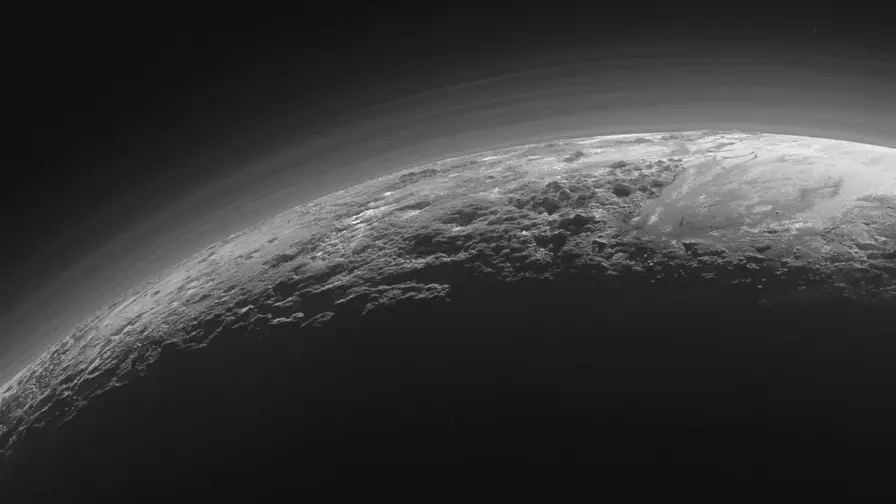
Read MoreNora Schmidt2026-07-093An Unknown Chemical Signature Appears on Pluto and TitanJWST detected an unidentified infrared absorption feature on both Titan and Pluto. Astronomers consider novel organics, complex ice mixtures, and upcoming missions like Dragonfly for definitive answers.
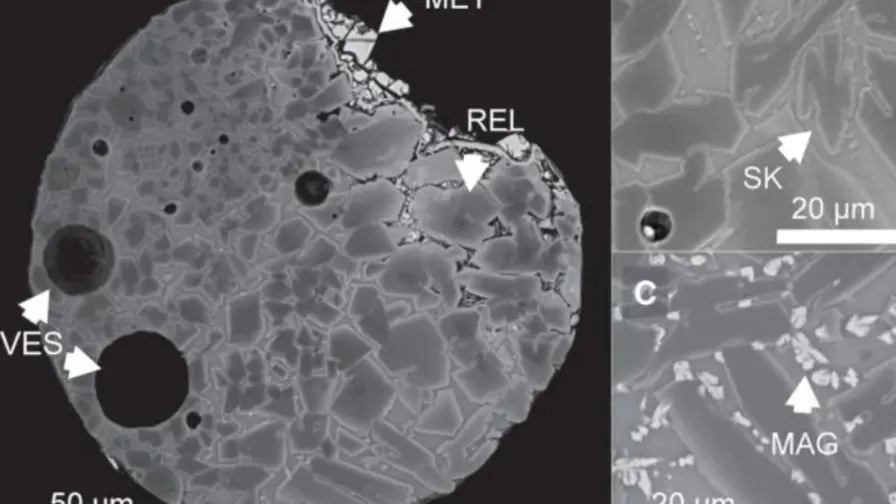
Read MoreOliver Hayes2026-07-083Hidden Asteroid Floods Earth with Unseen Cosmic DustResearchers identify a surprising source of Earth's micrometeorites: a sulfur-rich, carbon-bearing asteroid not represented in meteorite collections. New analyses suggest as much as 10 percent of incoming cosmic dust may come from this hidden parent body.
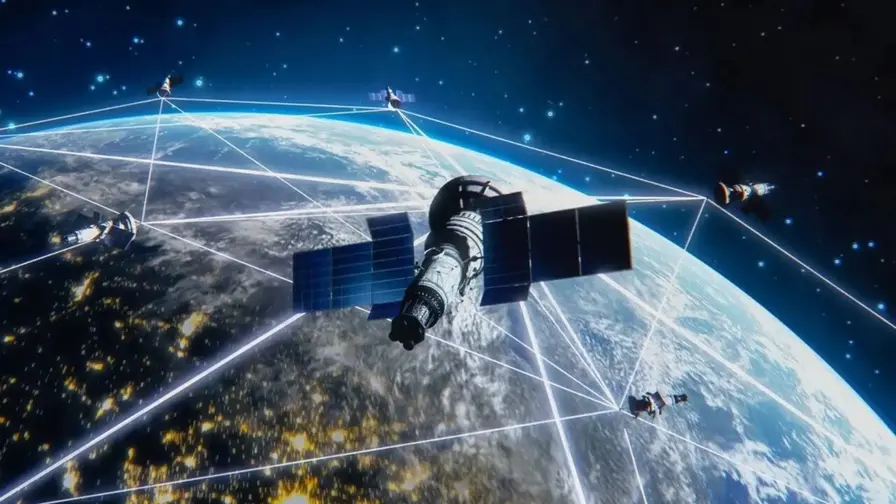
Read MoreOliver Hayes2026-07-072Orbital Data Centers Threaten Ground Telescopes' ViewSatellite megaconstellations such as Starlink are creating light interference that threatens ground-based observatories. ESO simulations show significant impacts on telescopes like the VLT and Vera C. Rubin Observatory, prompting calls for limits and darker satellite designs.
Read MoreNora Schmidt2026-07-062Hubble Captures Messier 3: 500,000 Ancient Stars RevealedHubble’s new portrait of Messier 3 reveals more than 500,000 stars, a record number of RR Lyrae variables, and clues that the cluster formed from an ancient merger, offering insights into the Milky Way’s history.
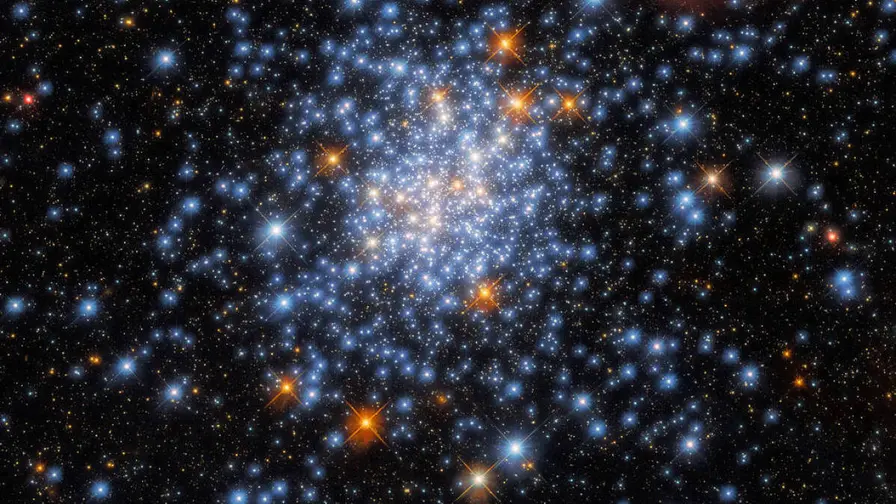
Read MoreNora Schmidt2026-07-062Hubble’s July 4th Sparkler: Ancient Stars Glow AgainHubble’s new image of globular cluster NGC 6426 reveals 13-billion-year-old stars in vivid color. The view offers clues about star chemistry, multiple stellar generations, and the Milky Way’s early assembly.
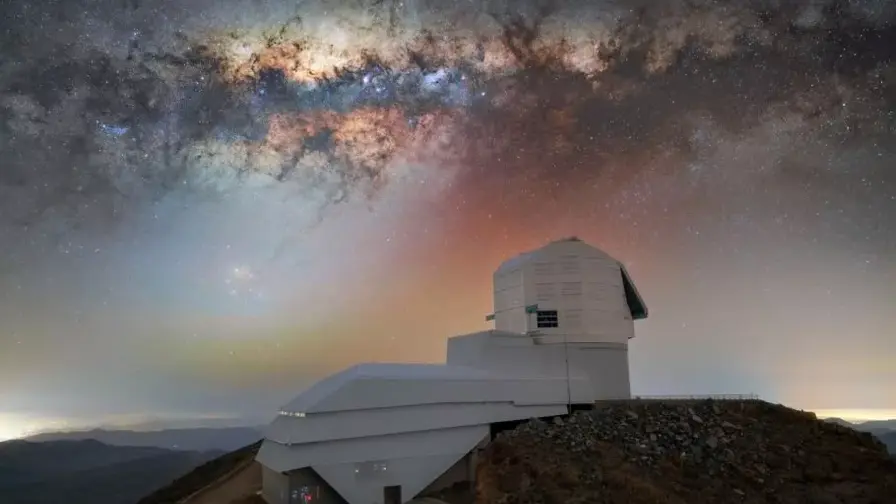
Read MoreOliver Hayes2026-07-052Vera C. Rubin Observatory Begins Ten-Year Cosmic SurveyThe Vera C. Rubin Observatory has begun its ten-year survey from Chile, using a massive digital camera to capture hundreds of nightly images. The project aims to map billions of stars and galaxies to probe dark matter, dark energy, and transient phenomena.
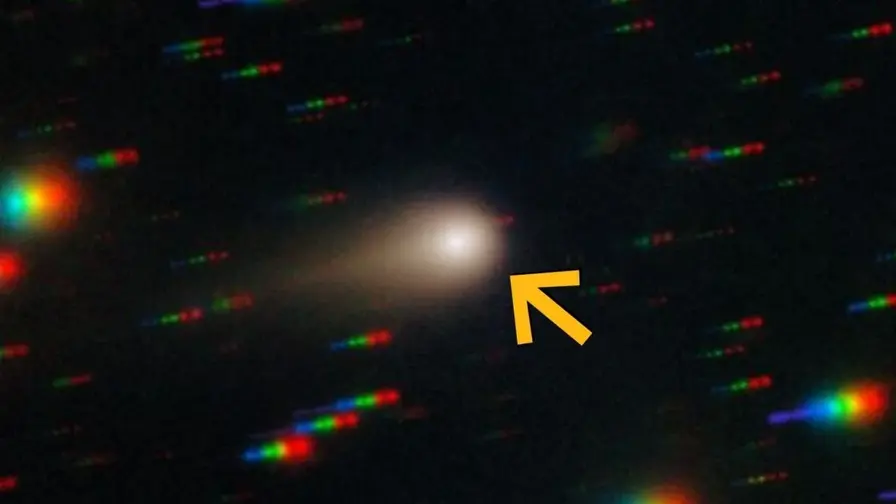
Read MoreOliver Hayes2026-07-043Ancient Chemistry in Interstellar Comet 3I - ATLAS RevealedSpectra from JWST and ALMA show interstellar comet 3I/ATLAS carries extreme isotopic signatures — heavy deuterium in its water and unusual carbon ratios — suggesting formation in a very cold, chemically pristine environment, possibly 11-12 billion years ago.
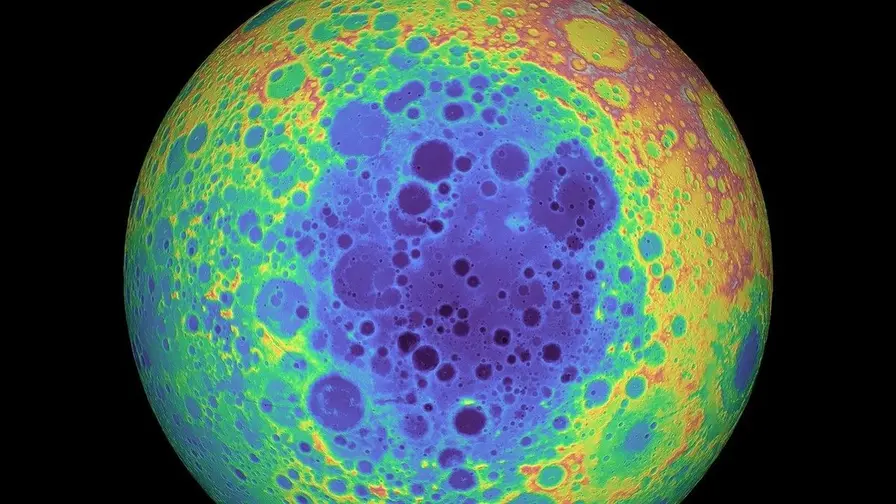
Read MoreOliver Hayes2026-07-033Giant Impact May Have Exposed Moon’s Mantle Near ArtemisNew simulations and gravity mapping show the South Pole-Aitken impact likely delivered mantle-derived rocks closer to the lunar south pole — possibly within reach of upcoming Artemis missions seeking direct samples of the Moon’s interior.
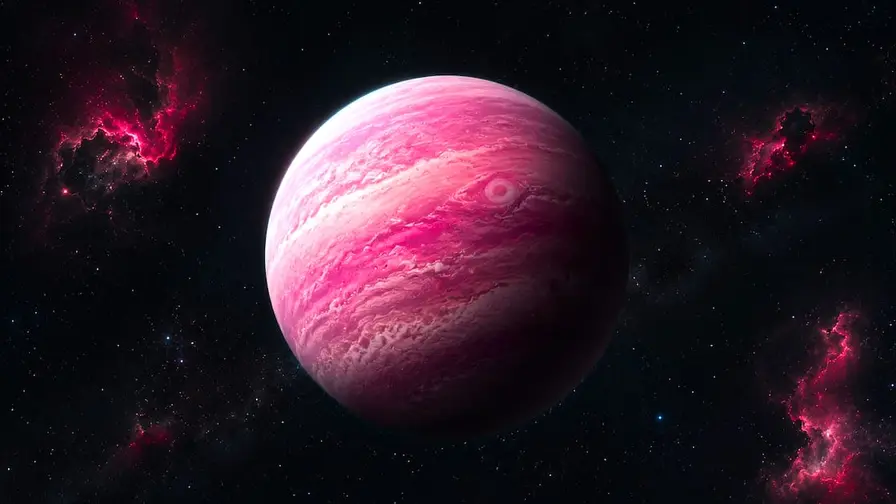
Read MoreNora Schmidt2026-07-013Webb Finds Salt Clouds Enshrouding the Pink PlanetWebb’s infrared observations reveal salt clouds in the atmosphere of GJ 504 b, the so-called Pink Planet. The discovery reshapes models of cold exoplanet atmospheres and opens new paths for studying faint worlds.
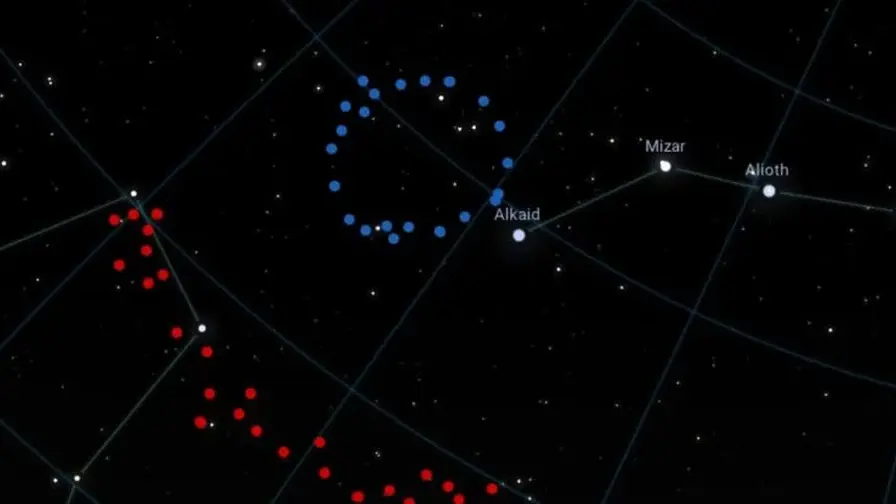
Read MoreOliver Hayes2026-07-012Giant Cosmic Ring Challenges Standard Cosmology TodayAstronomers have identified a billion-light-year ring of galaxies, the Big Ring, near the Giant Arc. Its size and shape challenge standard cosmology and prompt searches for similar structures.
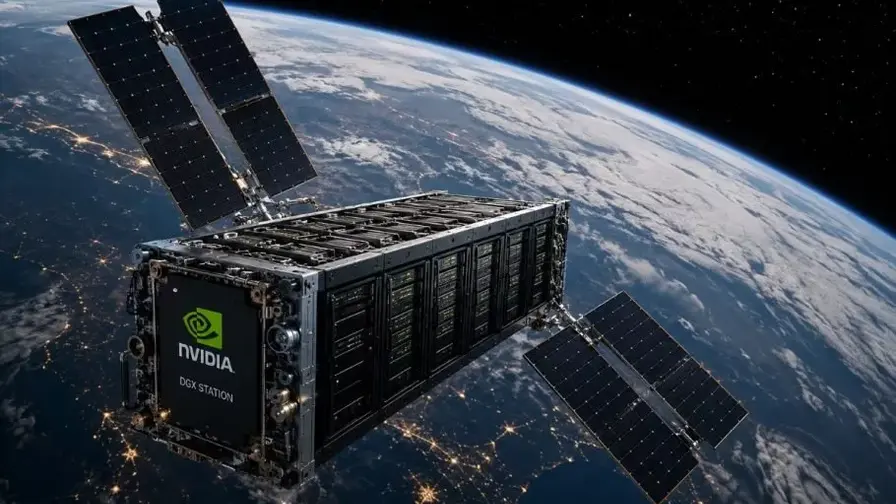
Read MoreNora Schmidt2026-06-302Why Nvidia Is Quietly Building a Space Datacenter NowNvidia is hiring engineers for Space-1, its orbital datacenter program using Vera Rubin AI chips. Job postings show the company moving from concept to operational software and system design in low Earth orbit.
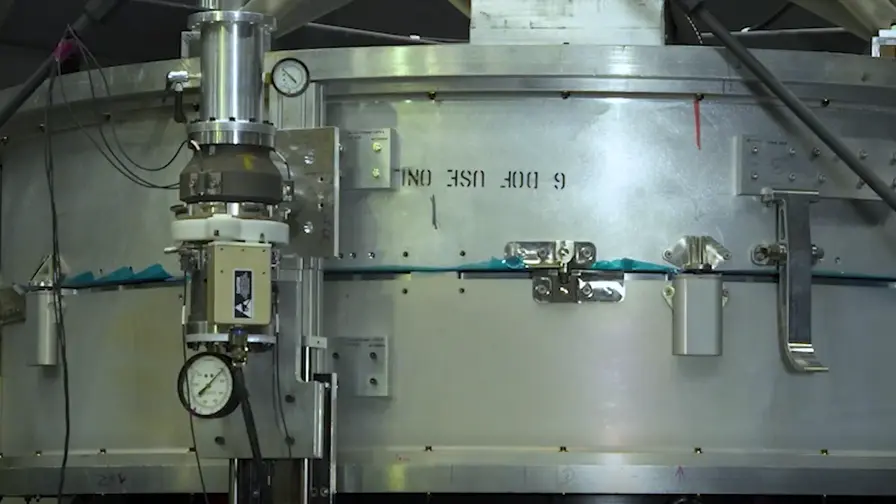
Read MoreNora Schmidt2026-06-29NASA's Cryocoupler Brings Orbital Refueling Within ReachNASA and L3Harris tested the Cryocoupler, an automated device for leak-free transfer of cryogenic propellants in orbit, advancing autonomous orbital refueling and reusable mission architectures.
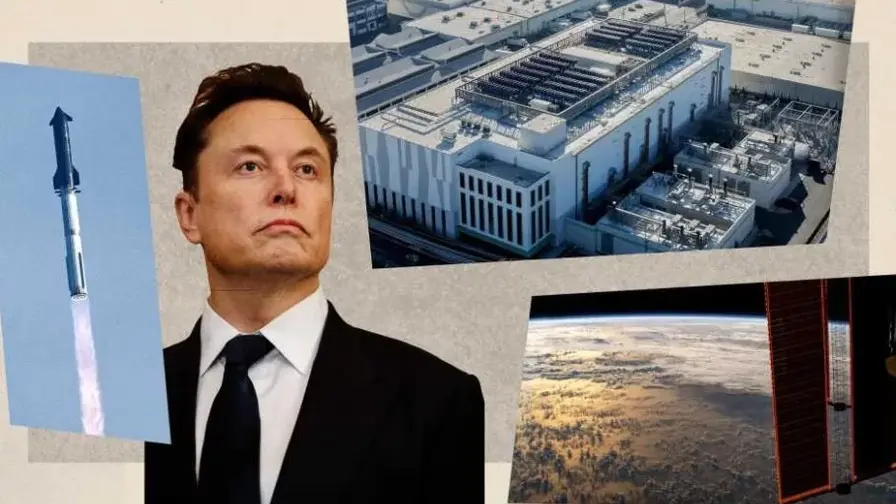
Read MoreNora Schmidt2026-06-292Why SoftBank Thinks Musk’s Orbital Data Centers Will FailSoftBank’s Masayoshi Son calls Elon Musk’s orbital AI data centers impractical for now, arguing terrestrial infrastructure and cost-efficiency will drive near-term AI progress. SoftBank backs Project Stargate with major investments.
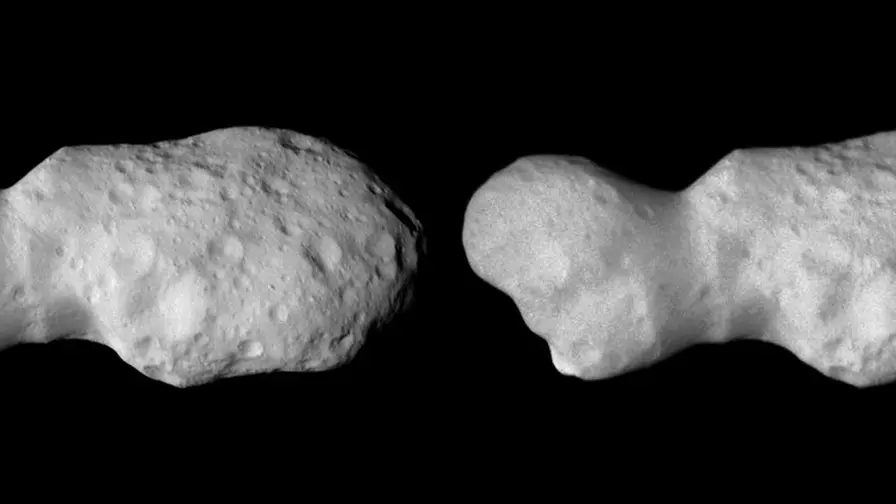
Read MoreOliver Hayes2026-06-284Wobbling Peanut Asteroid Reveals Brief Ancient WaterNASA's Lucy spacecraft flew past asteroid Donaldjohanson, revealing a tumbling peanut-shaped world with iron-rich clays that point to brief ancient liquid water and ongoing YORP-driven spin evolution.