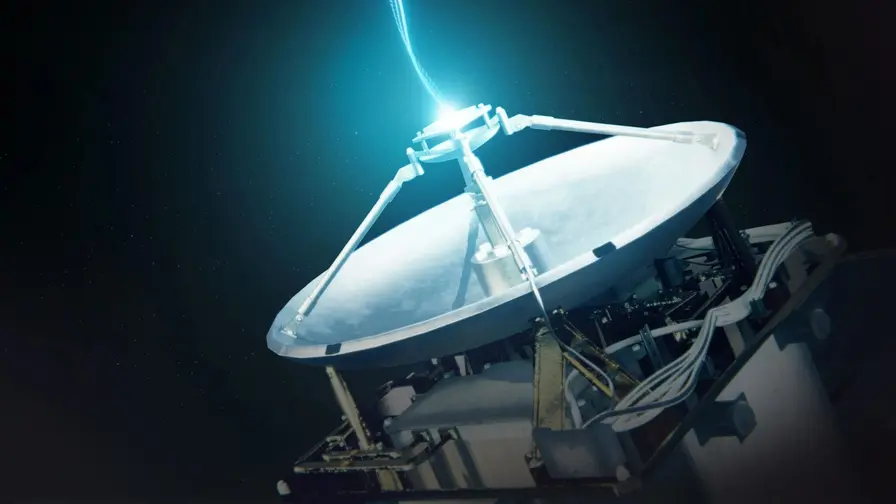
Read MoreNora Schmidt2026-06-092NASA Demonstrates Spacecraft That Switch Between NetworksNASA’s PExT demonstration shows spacecraft can switch between government and commercial networks using Ka-band radios, enabling flexible routing, direct-to-Earth links, and enterprise service management for a resilient space internet.
Read MoreOliver Hayes2026-06-09Artemis IV: New Liquid Cooling Suit for Lunar ReturnAxiom Space has revealed a liquid cooling and ventilation garment (LCVG) to be worn under the AxEMU suit for Artemis IV in 2028. The system circulates chilled water, supplies oxygen to the helmet, and routes CO2 to scrubbers to enable safer, longer lunar EVAs.
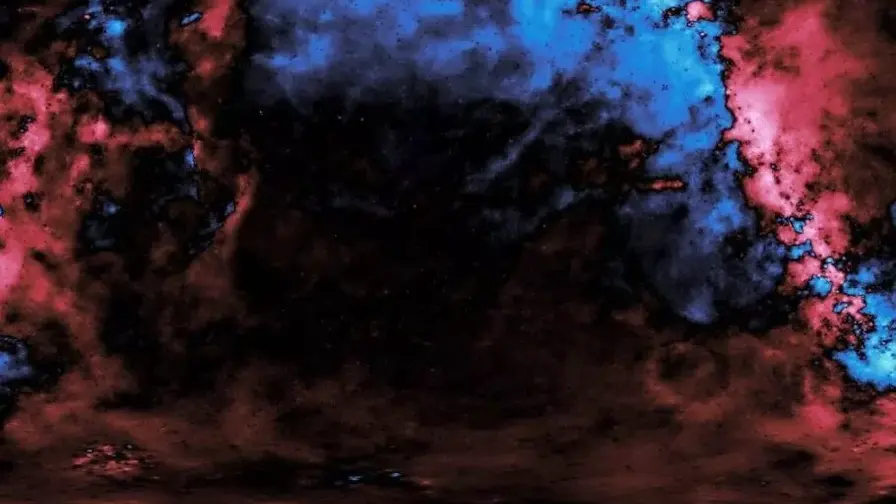
Read MoreNora Schmidt2026-06-082Scientists Reveal Largest Map of Cosmic Magnetic FieldsAstronomers using ASKAP have released the largest survey of cosmic magnetic fields, mapping polarization from 350,000 galaxies and revealing how magnetism shapes star formation and galactic structure.
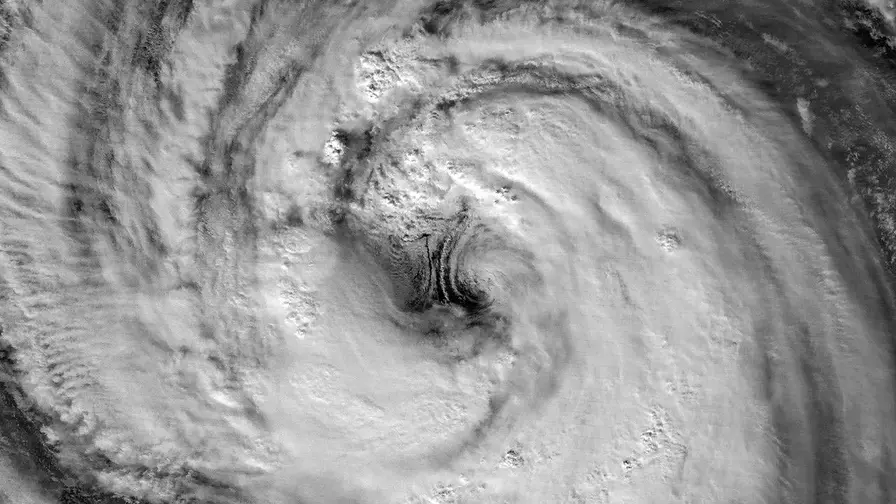
Read MoreNora Schmidt2026-06-062Night Satellite Capture: Typhoon Jangmi's Giant EyeNighttime VIIRS shots from Suomi NPP and NOAA-20 revealed Typhoon Jangmi’s unusually large eye as the storm strengthened near Okinawa, bringing heavy rain and flooding risk to southern Japan.
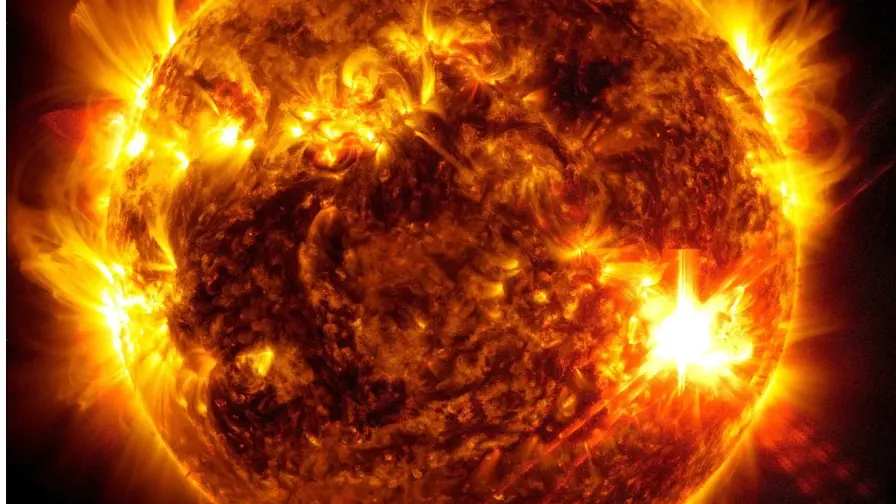
Read MoreOliver Hayes2026-06-052The Sun's Changing Heartbeat: A Shift Under the SurfaceLong-term helioseismology from BiSON reveals that the Sun's magnetic activity is shifting into shallower layers, altering the relationship between interior oscillations and surface indicators and affecting space weather forecasts.
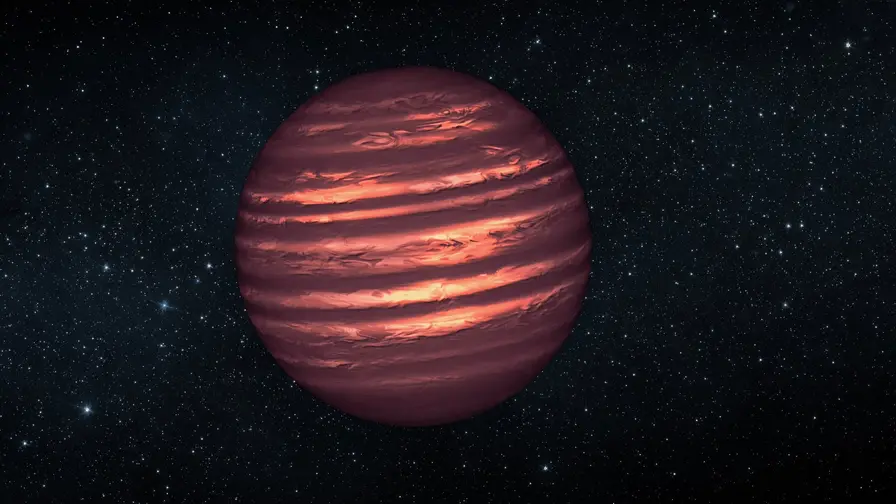
Read MoreOliver Hayes2026-06-053Why Giant Planets Can Spin Faster Than Brown DwarfsKeck Observatory measurements reveal that some giant exoplanets spin faster than heavier brown dwarfs, implicating magnetic braking and disk interactions in planet formation and prompting new studies with next-generation instruments.
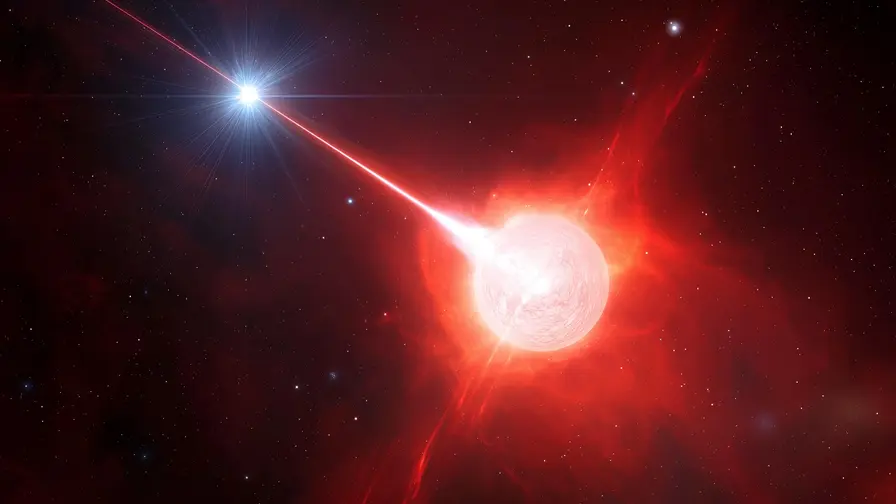
Read MoreOliver Hayes2026-06-053A Cannibal Star Reveals the Source of Strange Radio SignalsAn accreting white dwarf in a tight binary, discovered with ASKAP, explains a rare class of repeating radio signals. The finding links long-period radio transients to cataclysmic variables and opens new paths for multiwavelength study.
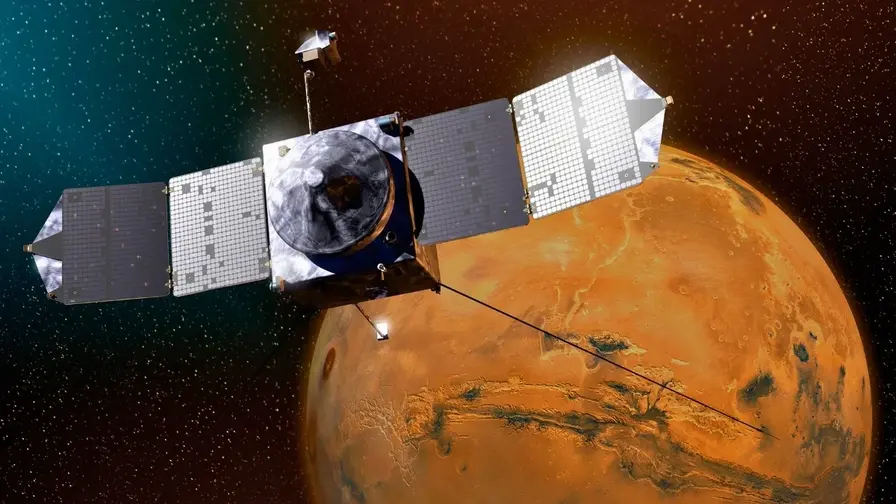
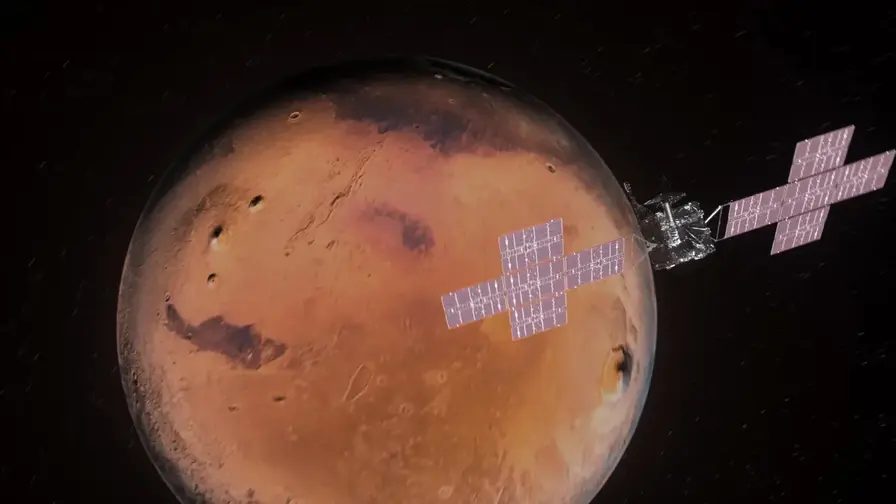
Read MoreNora Schmidt2026-06-042NASA Confirms MAVEN Spacecraft at Mars Is Officially DeadAfter six months of silence, NASA has declared the MAVEN Mars orbiter dead. The decade-long mission reshaped understanding of Martian atmospheric loss and will leave a lasting scientific legacy.
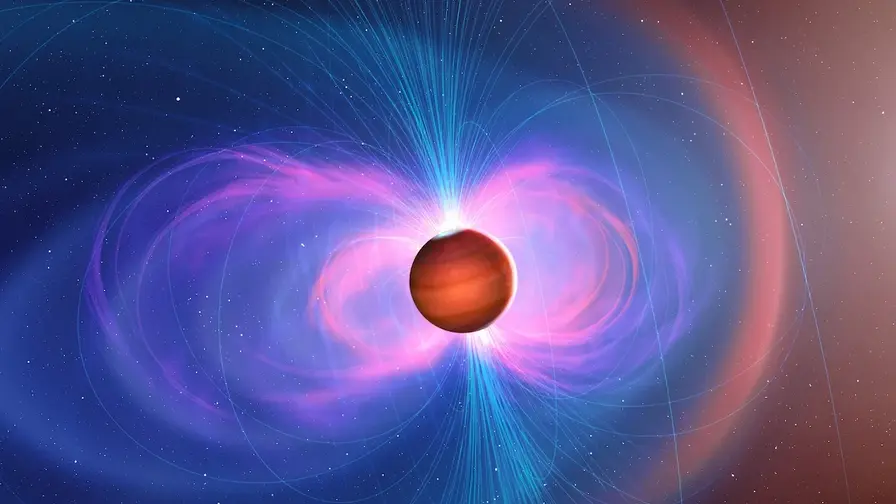
Read MoreNora Schmidt2026-06-033Why Hot Jupiters' Winds Slow Down Under Magnetic BrakesA study of seven hot Jupiters finds that the hottest of these exoplanets show slower-than-expected winds, likely due to magnetic braking. The pattern offers a new way to infer planetary magnetic fields and their effects.
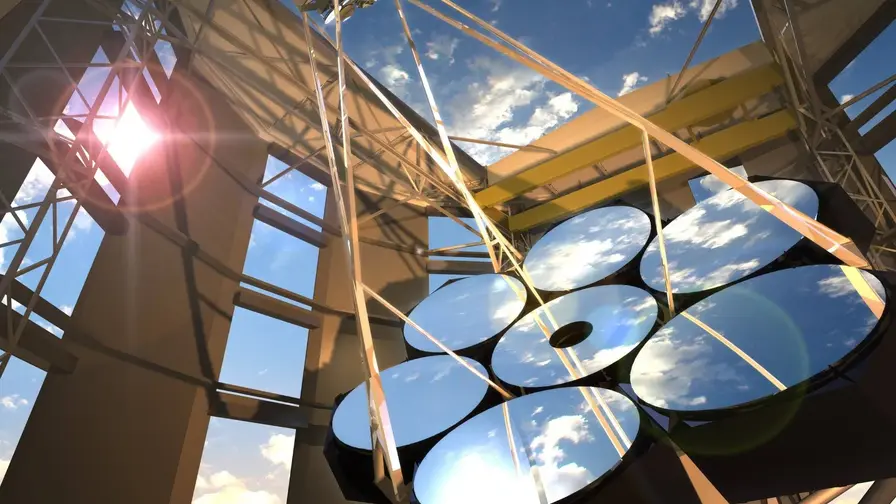
Read MoreOliver Hayes2026-06-013How Giant Telescopes Will Soon Reveal Earthlike WorldsNew space missions and enormous ground telescopes such as the Giant Magellan Telescope will combine adaptive optics and spectroscopy to locate and study Earth-sized exoplanets, shifting us from detection to characterization.
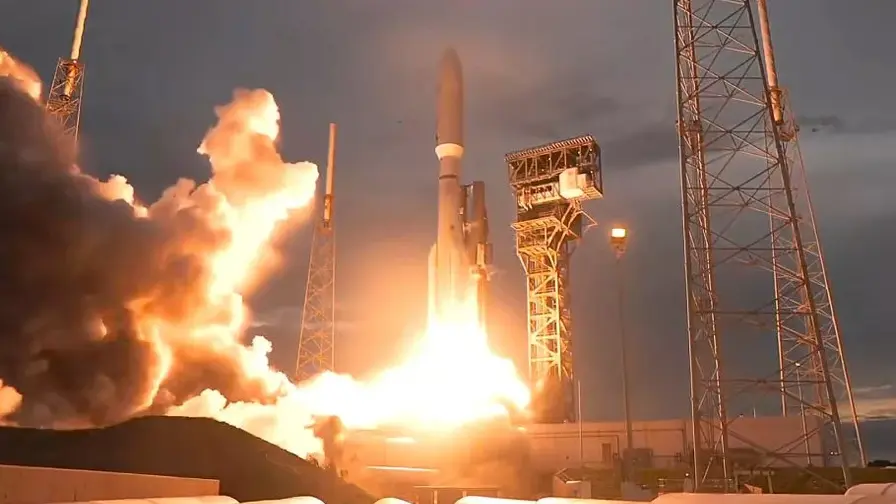
Read MoreNora Schmidt2026-06-012New Glenn Explosion Forces Six-Month Delay at Blue OriginA New Glenn booster exploded during a preflight test, destroying Blue Origin's launch pad and delaying Amazon's Project Kuiper and NASA lunar plans. Reconstruction may take six months while investigations proceed.
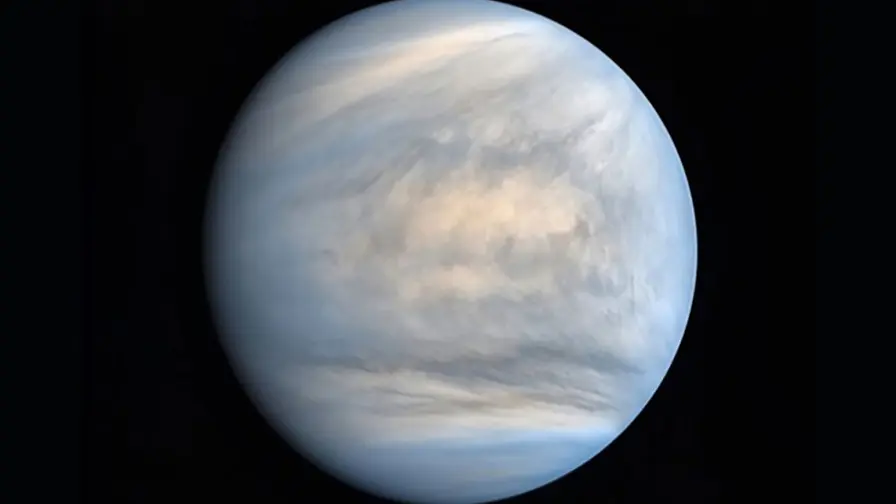
Read MoreOliver Hayes2026-05-312Did Earth Seed Life in Venus’s Clouds? New Models Say MaybeNew modeling suggests material blasted from Earth could reach Venus’s cloud decks and remain viable. Researchers using the Venus Life Equation estimate hundreds to billions of transferred cells over geological time.
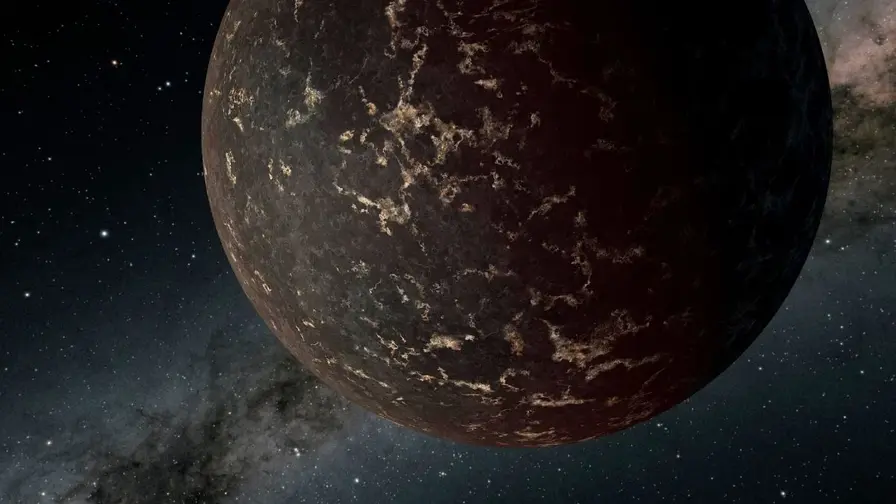
Read MoreOliver Hayes2026-05-272JWST Finds a Moonlike World Bigger Than Earth in InfraredJWST's mid-infrared observations of LHS 3844b reveal a scorched, Mercury-like exoplanet larger than Earth, suggesting a basaltic or mantle-like surface with little atmosphere or sign of recent volcanism.
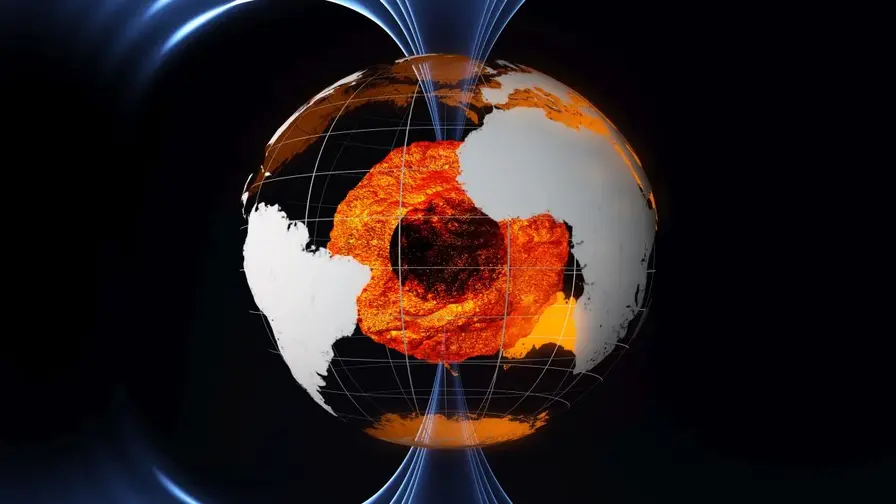
Read MoreOliver Hayes2026-05-273A Sudden Reversal in Earth's Molten Core: What Happened?Satellite measurements reveal that in 2010 a region of Earth's molten outer core beneath the Pacific reversed its flow, turning eastward. New analysis of decades of data links this to geomagnetic and rotational anomalies and raises questions about core dynamics.
Read MoreOliver Hayes2026-05-263Psyche's Mars Flyby: A Gravity Boost Toward a Metal WorldNASA’s Psyche mission skims Mars for a gravity assist, gaining speed and testing instruments en route to the metal-rich asteroid Psyche; arrival expected August 2029.
Read MoreNora Schmidt2026-05-213The Universe May Be Tilted, and Cosmology Feels ItA new study suggests the universe may be asymmetric on large scales, challenging the standard cosmological model, the cosmological principle, and even dark energy itself.
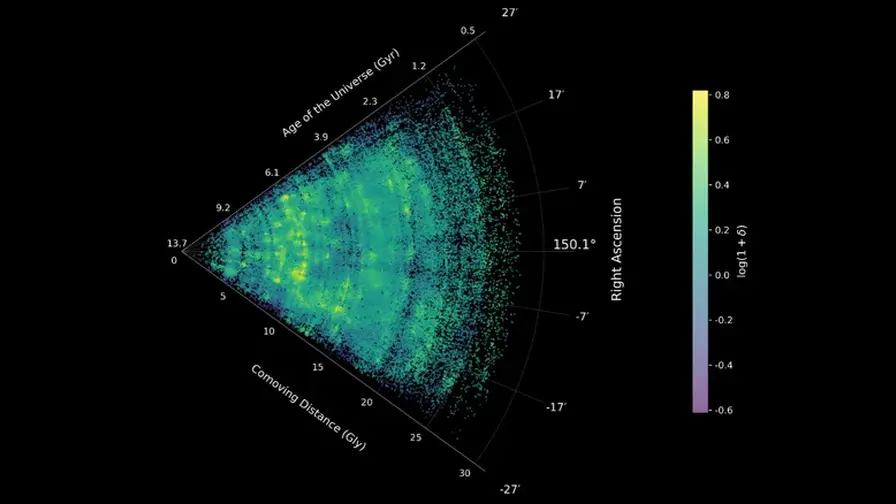
Read MoreOliver Hayes2026-05-122Webb Telescope Reveals the Cosmic Web in Sharp DetailAstronomers using the James Webb Space Telescope have created the clearest map yet of the cosmic web, revealing how galaxies and dark matter were connected in the early universe.
Read MoreNora Schmidt2026-05-102The Universe May Have No Center After AllModern physics suggests the universe may have no center at all. Here is why cosmic expansion, Einstein’s theory, and dark energy paint a far stranger picture than intuition allows.
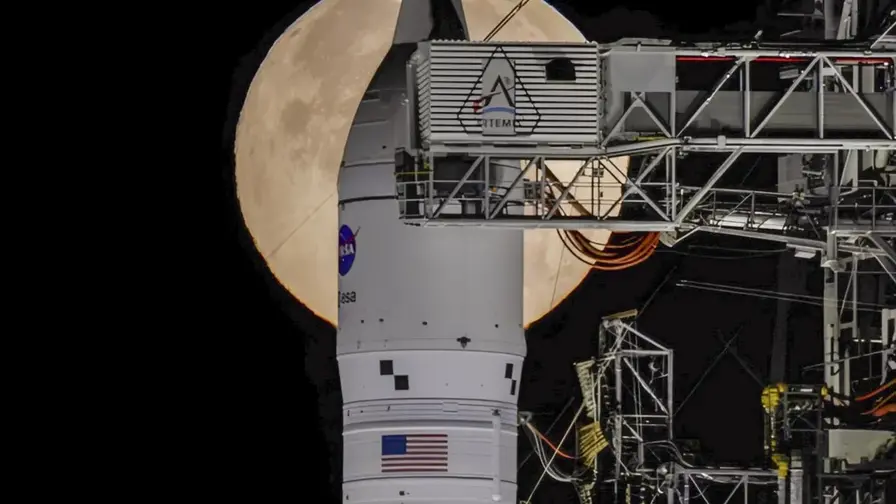
Read MoreEmma Collins2026-03-26NASA Unveils Artemis II Moon Mission Livestream PlanNASA has released the full livestream schedule for Artemis II, offering a front-row seat to humanity’s first crewed Moon mission in decades, from prelaunch briefings to liftoff and beyond.
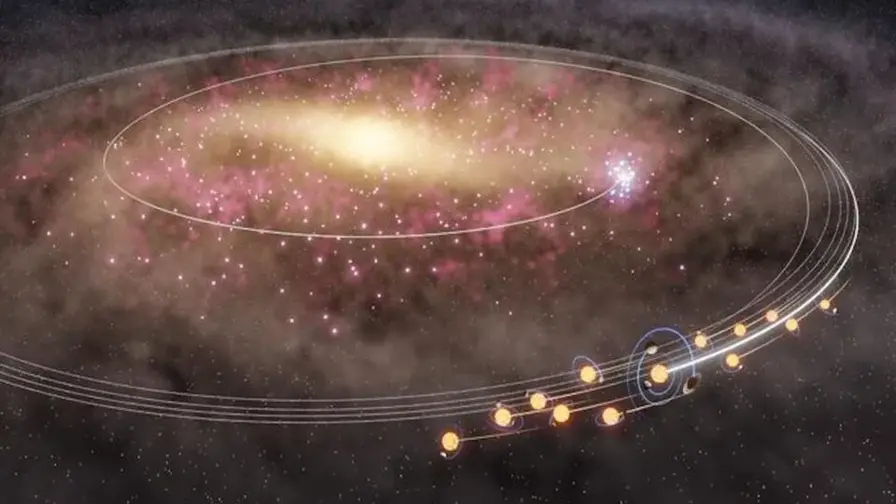
Read MoreNora Schmidt2026-03-132How the Sun Escaped the Milky Way’s Chaotic CoreAstronomers suggest the Sun was born near the Milky Way’s chaotic center before migrating outward billions of years ago. New research using Gaia data reveals how this stellar journey may have helped create conditions for life on Earth.